UK Rejects US Military Action Against Iran, Sparks Debate
The UK has refused to allow its bases to be used for US military action against Iran, sparking a national debate on foreign policy. Former minister Clare Short urged the UK to "stop being a poodle" to America, while Foreign Secretary James Cleverly defended the decision as acting in the UK's national interest.

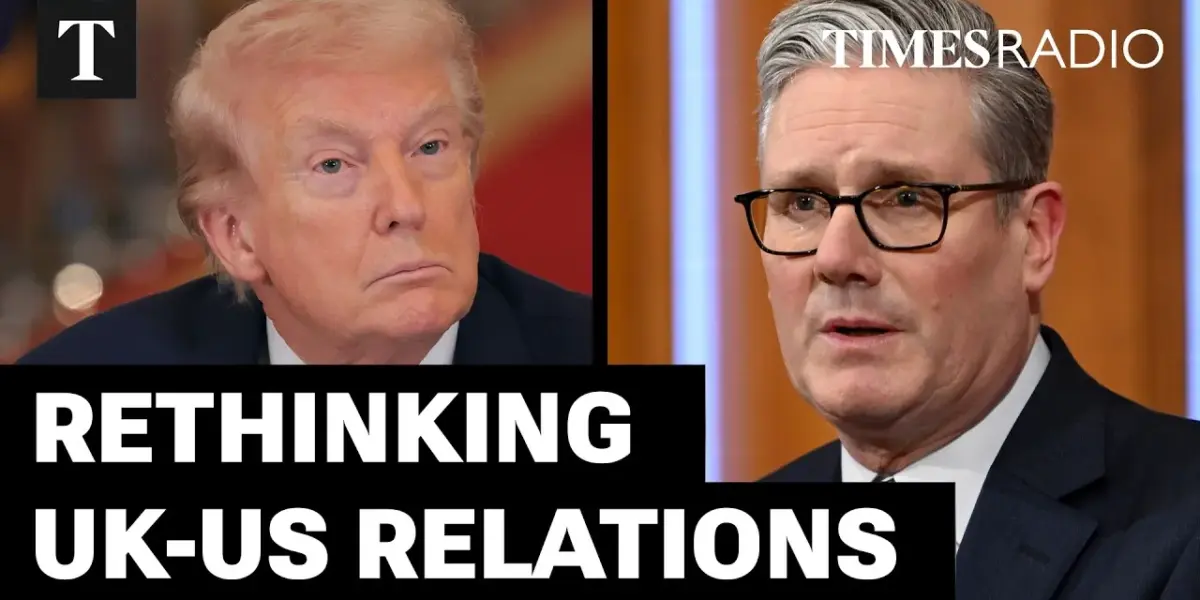
UK Declines US Request for Military Bases Against Iran
In a significant foreign policy decision, the United Kingdom has reportedly declined a request from the United States to use British military bases for operations against Iran. This move, confirmed by Foreign Secretary James Cleverly, has ignited a crucial national debate about the UK’s independent foreign policy and its relationship with its closest ally.
Clare Short Criticizes “Poodle” Foreign Policy
Clare Short, a former Labour cabinet minister who resigned over the Iraq War, strongly supported Prime Minister Keir Starmer’s initial stance. “I absolutely think that as does most of the people of Britain,” Short stated, emphasizing that the potential attack on Iran was illegal under international law and would cause immense chaos.
Short articulated a broader concern about the UK’s foreign policy alignment, urging an end to being a “poodle” that “always going with America, come what may.” She called for a “real debate in our country about what is an independent British foreign policy like.”
She added, “We don’t want to fall out with America, but we should stop being a poodle as lots of people call it, always going with America, come what may.”
Starmer’s Decision and Cabinet Discussions
The Prime Minister’s decision has been met with a mixed reaction, including criticism from former Prime Minister Tony Blair. Reports suggest Blair believes Starmer should have backed the US against Iran from the outset. However, Foreign Secretary James Cleverly defended Starmer’s position, stating that neither blindly agreeing nor completely refusing to act with the US serves the UK’s national interest.
Cleverly remarked, “There are some people in politics who think that we should always agree with the US. Whatever. There are other people in politics who think we should never take action with the US again. Whatever the circumstances, I don’t think either of those positions is in the UK national interest.” She emphasized that the Prime Minister’s responsibility is to act in the UK’s national interest for British citizens, learning lessons from past interventions like the Iraq War.
Clare Short commended the reported open discussions within Starmer’s cabinet, contrasting it with her experience under Tony Blair. “It’s really good to hear that there’s open discussion in the cabinet. Um, there didn’t used to be under Tony Blair,” she said. “The cabinet wasn’t functioning as an open discussion forum.” She advocated for the constitutional principle of cabinet government, where the Prime Minister is “first amongst equals” and decisions are made collectively.
The “Special Relationship” Under Scrutiny
The situation inevitably brings the concept of the “special relationship” between the UK and the US into focus. While acknowledging its importance, Short argued that it should not equate to subservience.
“I mean, honestly, if we having a relationship with the United States means you have to do whatever you’re told by Donald Trump, then Britain doesn’t have an independent foreign policy and we’ve become a complete stooge,” Short asserted. She pointed to historical examples like Harold Wilson keeping the UK out of the Vietnam War and Margaret Thatcher’s disagreement with the US invasion of Grenada as precedents for an independent stance.
Tom Baldwin’s Perspective on Starmer’s Stance
Tom Baldwin, a former Labour adviser and biographer of Keir Starmer, broadly agreed with Short’s assessment, highlighting Starmer’s consistent opposition to the Iraq War based on international law.
Baldwin explained that the discussion in the security committee likely centered on whether to inform the US in advance about a willingness to engage in *defensive* action if UK bases or allies were attacked, rather than supporting immediate *offensive* action. “The question which they were considering in that meeting was whether they say to the Americans however if our bases and our allies are attacked, then we would be willing to take part in defensive action, whether you say that or whether you wait for a request from America on that basis,” Baldwin clarified.
He criticized the media reporting as “hyperbolic” and “grotesquely exaggerated,” suggesting that the core issue was a nuanced discussion about the timing and communication of potential defensive cooperation, not a fundamental disagreement on offensive action.
Tony Blair’s Legacy and Starmer’s Path
Baldwin also commented on Tony Blair’s intervention, describing it as “diminishing” and suggesting that Blair is a “bad witness to his own motives now” due to his role in the Iraq War.
He asserted that Starmer, who publicly opposed the Iraq War and pursued legal avenues regarding the advice given to Blair, would not be seeking guidance from Blair on Middle East military action. “Kam has always been very clear that he doesn’t model himself on any politician or any of his predecessors,” Baldwin stated, noting Starmer’s engagement with various former leaders but emphasizing his independent approach.
Broader Implications and Future Considerations
The debate underscores a fundamental question for the UK: what constitutes a truly independent foreign policy in an increasingly complex global landscape? The decision to prioritize national interest and international law over automatic alignment with the US, particularly in a high-stakes situation involving Iran, signals a potential shift in British foreign policy doctrine.
This event also raises questions about the long-term role and cost of British military bases abroad, such as in the Gulf and Cyprus, and whether their strategic purpose aligns with current British interests. As the geopolitical situation evolves, the UK’s ability to navigate its relationship with the US while asserting its own strategic autonomy will be closely watched.
The ongoing discussion about the UK’s role in international conflicts and its alliance commitments is likely to continue, shaping future foreign policy decisions and public perception.
Source: UK Should ‘Stop Being A Poodle’ That Always Sides With America | Clare Short (YouTube)

Related Articles
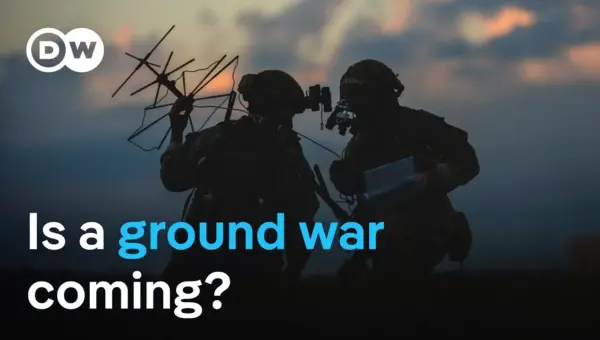
Iran Ground Offensive? US, Israel Weigh Risky Options
Speculation mounts over potential US and Israeli ground operations in Iran following recent air strikes. Analyst Shahin Madaris suggests a full-scale invasion is unlikely due to logistical challenges, but limited special forces missions targeting nuclear materials or leadership are possible, albeit with significant risks to civilians and captured personnel.

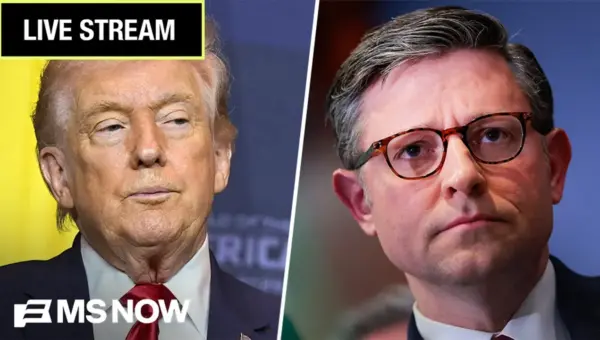
Trump Rallies GOP at Florida Retreat Amid Multiple Crises
President Donald Trump addressed House Republicans at their annual policy retreat in Doral, Florida. The gathering focused on key issues including Iran tensions, immigration, and the Epstein investigation.

Iran’s “Unconditional Surrender” Demand: A Strategic Folly
President Trump's demand for Iran's unconditional surrender is a strategic miscalculation, ignoring the regime's decentralized structure and popular dissent. Historical precedents show air power alone rarely achieves such goals, leaving the US with unappealing options for a prolonged conflict.