UK Rejects US Blockade Role in Strait of Hormuz
The UK government has confirmed it will not join a U.S.-led blockade of the Strait of Hormuz, emphasizing its commitment to freedom of navigation. While collaborating with allies on plans to keep the vital shipping lane open, the UK is also focused on addressing domestic economic pressures, including the rising cost of living and improvements to school food standards.

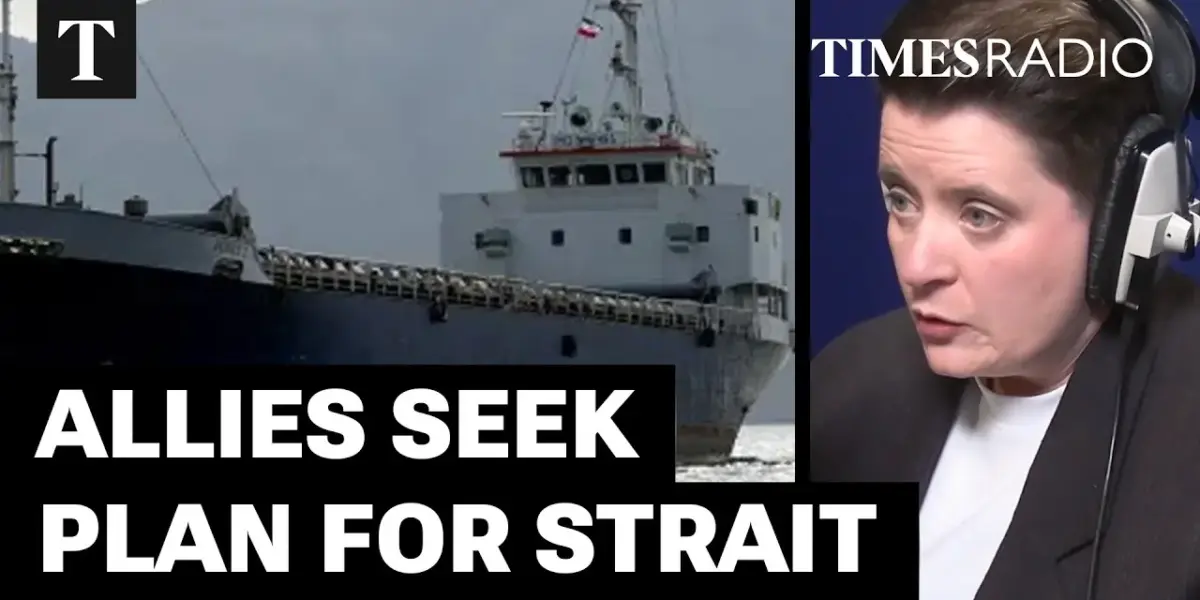
UK Rules Out Participation in US Strait of Hormuz Blockade
The United Kingdom has officially stated it will not participate in any blockade of the Strait of Hormuz, a critical global shipping lane. This decision comes amid rising tensions in the Persian Gulf and following comments from U.S. President Donald Trump suggesting UK involvement. The UK government emphasized its commitment to freedom of navigation but distanced itself from direct participation in a U.S.-led blockade.
Navigating International Waters: Freedom of Navigation vs. Blockade
During a television interview, a government minister was pressed on the UK’s stance regarding the Strait of Hormuz. “I’m ruling out that we will participate in any blockade and on any any other matter,” the minister stated clearly. This statement directly addressed concerns that the UK might join a U.S. effort to block the strait, a move that could significantly impact global oil supplies and prices.
The UK’s position prioritizes the principle of free navigation. “We believe in the really important principle here of uh free navigation of the seas and and we want to see a free navigation of the straits of Hormuz,” the minister explained. This approach aligns with international maritime law, which generally upholds the right of ships to pass through international straits.
Working with Allies, Not Leading a Blockade
While ruling out participation in a blockade, the UK government confirmed it is actively working with allies to ensure the strait remains open. “We are working with our allies,” the minister confirmed. “The prime minister’s been talking to President Mron. Um we’re talking to you know we convened over 40 countries. We’re talking to military planners.”
This collaborative approach involves discussions and planning with international partners. The Foreign Secretary has reportedly convened over 40 countries to discuss the situation. The government is also engaging with military planners to develop strategies, though specifics of these plans remain confidential. “We are working on plans in this space because we do want to see uh free navigation of the straits of Hormuz,” the minister added.
Addressing Domestic Concerns: Cost of Living Crisis
The interview also touched upon domestic issues, particularly the rising cost of living in the UK. A think tank report highlighted that families could face being £480 worse off this year due to surging energy bills. The government acknowledged these concerns, stating its focus on mitigating the impact on households.
Minister Olivia Bailey, from the Department for Education, discussed government actions to support families, including raising the national minimum wage and increasing childcare support. “We are doing everything we can to put money back into the pockets of working people and support them in the challenges with cost of living,” she said. However, the effectiveness and timing of these measures were questioned in light of the economic pressures families are facing.
School Food Standards Under Review
In a separate segment, Minister Bailey discussed planned improvements to school food standards. The government is consulting on changes aimed at reducing sugar, increasing fiber, and eliminating unhealthy foods like deep-fried items. These changes are intended to improve children’s health, with a significant number of primary school children being overweight or obese.
The proposed changes are set to be implemented from September of the following year, a timeline that drew criticism for its delay. The government defended the phased approach, emphasizing the need to work with schools and caterers to ensure successful implementation. A billion pounds has been allocated to expand free school meals, though questions remain about whether this funding is sufficient for the proposed improvements in food quality.
Ongoing Deliberations on Equality and Human Rights Commission Code
The discussion also briefly touched upon the publication of an updated code of practice from the Equality and Human Rights Commission (EHRC). Campaigners expressed disappointment over the delay, a year after a Supreme Court judgment. The government stated that the document is complex and requires careful legal consideration to ensure it is accurate and reflects the law correctly, promising to bring it forward when ready.
Looking Ahead: Stability in the Gulf and Economic Support
The situation in the Strait of Hormuz remains a significant concern, with potential implications for global energy markets and the UK’s cost of living. While the UK has clarified its stance on avoiding direct participation in a blockade, its role in ensuring freedom of navigation through diplomatic and allied efforts will be closely watched. Domestically, the government faces continued pressure to address the cost of living crisis, with families seeking tangible relief from rising prices and economic uncertainty.
Source: UK Rules Out Taking Part In US Blockade Of Strait Of Hormuz (YouTube)

Related Articles
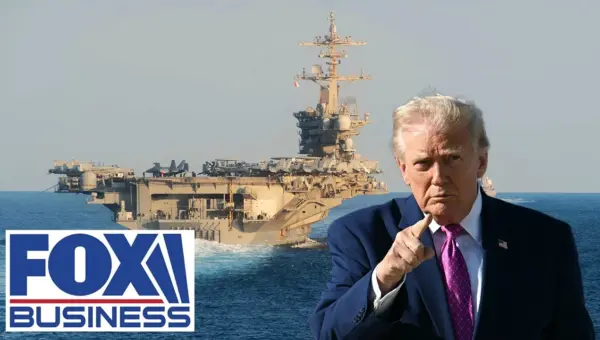
Trump Orders Strait of Hormuz Blockade: Oil Prices Surge
President Trump has ordered a U.S. naval blockade in the Strait of Hormuz, citing Iran's nuclear ambitions and failure to reach a deal in recent talks. The move sent oil prices surging, with Brent crude up over 7% and WTI crude up 8%. Financial markets opened lower amid the heightened geopolitical tensions.
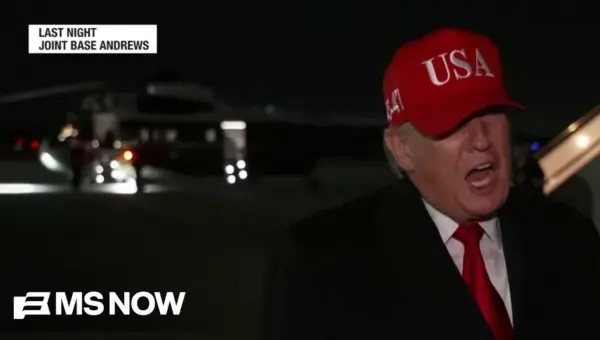
US-Iran Peace Talks Stall; Strait of Hormuz Blockade Announced
High-level U.S.-Iran peace talks in Pakistan have collapsed after 21 hours, failing to secure a deal. Following the breakdown, President Trump announced a U.S. Navy blockade of the Strait of Hormuz, though its scope was later adjusted. The move has sent oil prices soaring and raised concerns about further regional instability.

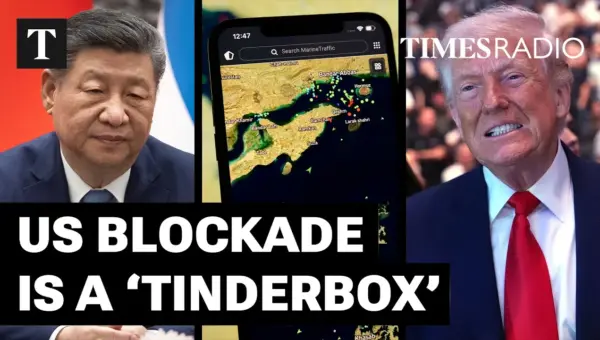
US Strait Blockade Risks China Clash, Ex-NSA Warns
A former U.S. National Security Agency official warns that the U.S. military's blockade of Iranian ports risks escalating tensions, particularly with China. Cedric Leighton highlighted the operational difficulties and the potential for dangerous encounters between U.S. naval forces and Chinese oil tankers in the Strait of Hormuz.