UK PM Must Court Trump Despite Party Backlash
British Prime Minister Keir Starmer faces a difficult balancing act, needing to maintain a crucial relationship with the US President despite domestic criticism. Rising global tensions and economic instability add further pressure, complicating the government's agenda and public finances.


Starmer Faces Dilemma: Balancing US Relations and Domestic Opposition
London, UK – In a complex geopolitical landscape, British Prime Minister Keir Starmer faces a significant challenge: maintaining a crucial relationship with the United States President, even as his own party and allies express strong disapproval. This delicate balancing act comes amid rising global tensions and economic uncertainty, forcing Starmer into a position where fostering a good relationship with the US leader, regardless of personal or party sentiment, is a political necessity. This dynamic has been a cornerstone of UK foreign policy since the Second World War, underscoring the enduring importance of the “special relationship.”
Economic Fallout and Shifting Public Opinion
The current global climate, marked by increased instability, has direct economic repercussions for the UK. The recent surge in oil prices, exacerbated by international conflict, poses a significant threat to the government’s economic agenda. Economist Paul Johnson noted that higher oil prices will “have a significant negative effect on the economy,” potentially reducing growth and making citizens “worse off.” This economic strain complicates the government’s plans to lower household bills and improve living standards by 2026.
Seb Payne, a columnist for The Times, drew parallels to the premiership of Liz Truss in 2022, when an energy price shock following the war in Ukraine contributed to her downfall. “The problem is that our public finances are in a much worse state than they were then,” Payne stated, highlighting the difficulty of implementing substantial relief packages given the current fiscal constraints. While Starmer has hinted at potential energy price relief, the specifics remain unclear, leaving a significant question mark over how the government will navigate this economic minefield.
Libby Pervvis, also a columnist for The Times, observed that the economic impact is likely to intensify public hostility towards the ongoing conflicts. “Even with the Ukraine war, yes, it pushed up our bills, but at least it wasn’t our supposed ally who had begun it,” Pervvis remarked, suggesting a sense of being “robbed” as hopes for economic recovery are dashed.
Starmer’s Strategic Tightrope Walk with Trump
The relationship between the UK and the US, particularly concerning Donald Trump, presents a unique political challenge for Keir Starmer. While Starmer has reportedly made considerable efforts to cultivate a close relationship with Trump, this approach has drawn criticism from within the Labour party, the Green Party, and the Liberal Democrats. Despite this domestic opposition, the pragmatic reality of international relations dictates that a functional rapport with the US President is paramount.
Payne elaborated on this, stating, “You could say it’s embarrassing, but if you’re the prime minister of the UK, what else can you do? You don’t have much choice but to have a good relationship with the US president.” He further noted that Starmer’s current positioning on international conflicts, which polls suggest aligns with public sentiment – favoring defense of assets but not direct involvement in strikes – could be advantageous. However, the unpredictable nature of Trump’s pronouncements makes long-term strategic planning exceptionally difficult.
“The whole thing is slightly dancing on the head of a pin because nobody asked the UK to be involved in the first wave of strikes… it’s then more about could the UK have been more ready for the kind of retribution…” – Seb Payne
The recent communication between Starmer and Trump, their first in eight days, focused on the Middle East situation and military cooperation. This call occurred just a day after Trump asserted that America “don’t need people that join wars that we after we’ve already won.” Payne described such interactions as requiring a strategy of “rolling with the punches,” acknowledging the awkwardness, especially with an upcoming state visit by the King to the US.
Navigating Criticism and Maintaining Prime Ministerial Demeanor
When questioned about whether Starmer should more vocally assert his positions, particularly against potential US policy shifts or Trump’s rhetoric, Libby Pervvis advised a more measured approach. “I think that him constantly spouting out how he was right and he knows best would not be particularly helpful,” she commented. Pervvis suggested that Starmer needs to project a “prime ministerial manner,” which involves quiet competence rather than public declarations, especially when facing an opponent like Trump, who is perceived as volatile.
Pervvis added, “Trump won’t be around forever. You know, he is for the moment, but he won’t be forever.” This perspective suggests that a long-term strategy involves weathering the current political climate and focusing on stable governance rather than engaging in public spats. The sentiment is that while Starmer might not gain immediate political capital from confronting Trump, a steady, dignified approach could earn greater respect in the long run.
Public Sentiment and Future Outlook
Recent polling indicates that a significant majority of Britons (two-thirds) identify as anti-Trump, with 56% being “very anti-Trump.” This public sentiment aligns with the positioning of Reform UK as supportive of Trump, while Keir Starmer appears to be navigating this landscape by not overtly aligning himself with Trump, a strategy that seems to resonate with the electorate.
Looking ahead, the UK government under Keir Starmer must continue to manage the complex relationship with the United States while mitigating the domestic economic fallout from global instability. The unpredictable nature of international diplomacy, particularly concerning the US presidency, will likely require continued adaptability and strategic patience from Downing Street. The effectiveness of Starmer’s approach in balancing these competing pressures will be closely watched in the coming months.
Source: Keir Starmer Has No Choice But To Foster Good Relationship With Donald Trump | Seb Payne (YouTube)

Related Articles

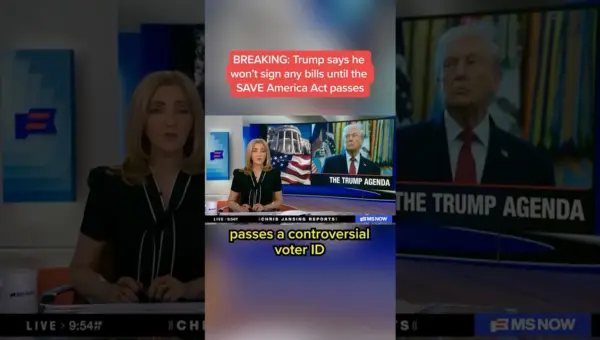
Trump Vows to Block Bills Until Border Security Act Passes
Former President Donald Trump has stated he will not sign any bills until the Safeguard American Voter Eligibility (SAVE) Act is passed. This demand places a significant condition on future legislative actions and highlights Trump's focus on election integrity and border security.
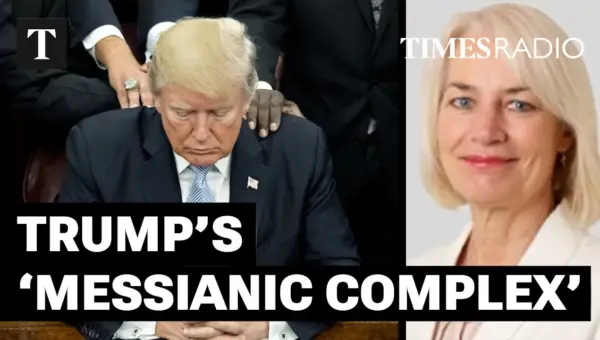
Trump’s ‘Messianic Complex’ Fuels Global Conflict, Analyst Says
Sarah Baxter, Director of the Marie Culvin Center for International Reporting, argues that Donald Trump's "messianic complex" is driving his foreign policy, potentially at the cost of domestic economic stability. The escalating conflict with Iran and rising oil prices have placed Vice President JD Vance in a difficult political position, fracturing the MAGA coalition and raising questions about future leadership within the Republican party.

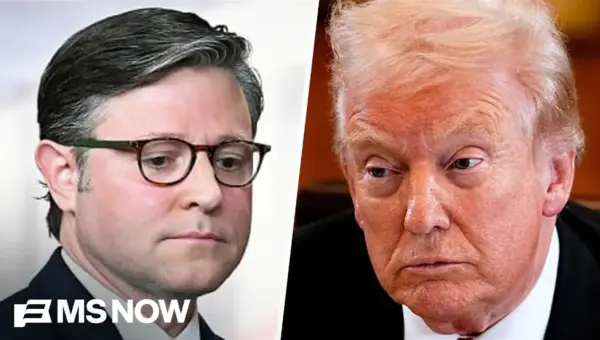
GOP Faces Voter Anger Over Economy Ahead of Trump Rally
House Republicans are meeting amid growing voter anger over the economy, with former President Trump set to address the party. Analysts suggest economic anxieties could benefit Democrats, especially as polls show dissatisfaction with rising costs and market volatility.