UK Offers Iran Negotiation Insight to Aid Trump’s Stalled Deal
The UK is offering its diplomatic expertise to the US to help President Trump navigate complex negotiations with Iran. As talks loom amidst uncertainty and strained UK-US relations, London believes its experience can aid in achieving a settlement and reopening the Strait of Hormuz. Discussions also highlight the UK's defense readiness and its role in regional stability.

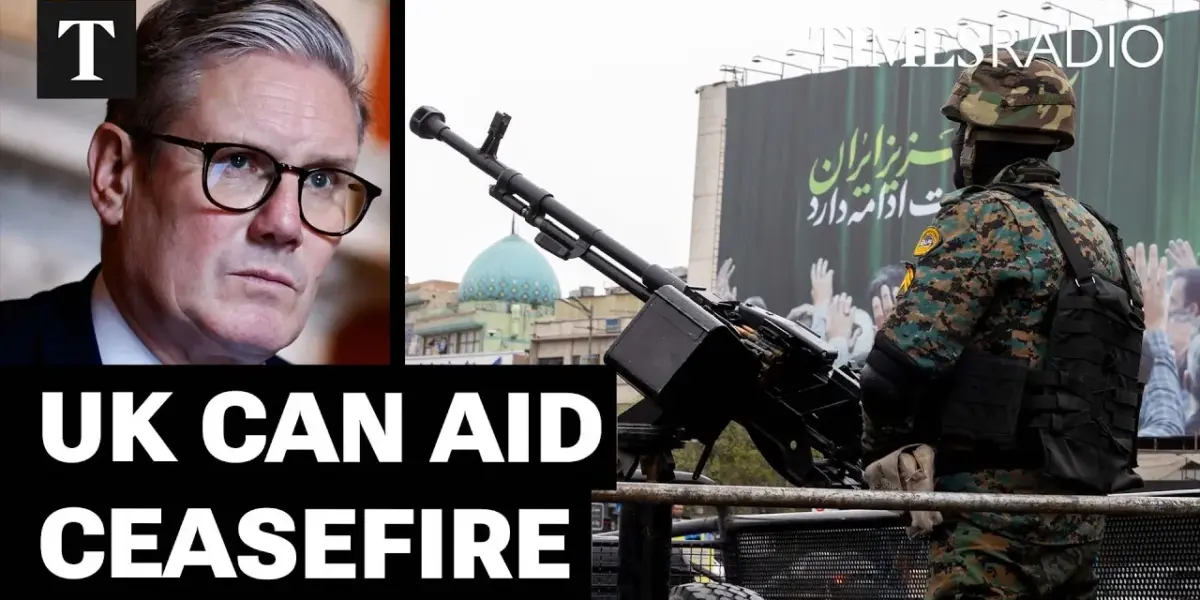
UK Eyes Role in Iran Diplomacy Amidst Trump’s Challenges
London is positioning itself to offer valuable diplomatic expertise to the United States in its efforts to resolve the escalating conflict with Iran. As President Donald Trump faces difficulties in achieving a swift resolution, which he reportedly expected to be an easy victory, the UK believes its experience in negotiating with Tehran could prove crucial. The potential for a settlement, a lasting ceasefire, and the reopening of the vital Strait of Hormuz hinges on understanding Iran’s negotiating limits, a complex area where the UK feels it possesses unique insights to share.
Pakistan Talks Loom Amidst Uncertainty
Scheduled talks aimed at ending the conflict in Iran were expected to take place in Pakistan. However, the details remain unclear, with uncertainty surrounding attendee lists and the event’s actual progression. Iran has stated that negotiations cannot proceed while Israel continues its military actions in Lebanon and the Strait of Hormuz remains largely blocked. These conditions have reportedly frustrated President Trump.
UK Defense Secretary Addresses Readiness and Spending
In London, Defense Secretary John Healey opened the fourth annual London Defense Conference, an event founded after Russia’s full-scale invasion of Ukraine. The conference focuses on strengthening defense and allied cooperation, with this year’s theme being “readiness.” Healey acknowledged the difficult international and economic climate, noting that while he desires increased defense spending, the Treasury’s financial constraints present a significant challenge. The UK’s defense investment plan and defense readiness bill are reportedly delayed, adding to the complexities.
The ambitious goal of spending 5% of GDP on defense is a key point of discussion. While the government aims for 2.5% by 2027 and 3% in the next parliament, significant criticism has been leveled at the UK’s current defense capabilities, highlighted by recent events in the Middle East. The deployment of only one ship to the Gulf, for instance, has raised concerns among allies who have historically relied on Britain as a major defense player.
Strained UK-US Relations and NATO Audits
Tensions have surfaced in the relationship between the UK and the US, particularly after Prime Minister Rishi Sunak reportedly denied Donald Trump permission to use UK bases for military operations. Sir Peter Westmacott, former British ambassador to the US, noted that while he dislikes the term “special relationship,” the current dynamic has shifted. He suggested that Trump may not fully appreciate the extent of the UK’s contributions to American security globally, emphasizing that the relationship should be a two-way street.
The prospect of the Trump administration auditing NATO members for their perceived shortcomings during the recent conflict has also been mentioned. Westmacott expressed that such actions, particularly public criticism, do not foster a positive environment for diplomatic cooperation. He stressed the importance of private discussions between leaders to resolve disagreements rather than public admonishment.
UK’s Diplomatic and Security Role in the Middle East
Despite challenges in military hardware, the UK is seeking to play a role in stabilizing the Middle East. Prime Minister Sunak’s recent visits to Gulf states aimed to show solidarity and reassure allies. Westmacott highlighted the historical relationship between the UK and these nations, suggesting that continued engagement is vital, especially when they face threats from Iran.
The UK also sees an opportunity to assist the US in negotiations with Iran. Westmacott explained the distinct approaches to negotiation: for Iran, survival can be a victory, while for Trump, failure is a loss. Iran’s demonstrated ability to disrupt the Strait of Hormuz and inflict damage on allies presents a significant challenge. The UK’s experience in understanding Iran’s negotiating parameters could be instrumental in finding a path toward a settlement, a durable ceasefire, and the reopening of crucial shipping lanes.
Looking Ahead: The Path to De-escalation
The coming days will be critical in determining the success of diplomatic efforts in Pakistan and the broader de-escalation of tensions in the Middle East. The UK’s willingness to share its negotiation expertise offers a potential avenue for progress, particularly if President Trump is open to leveraging allied insights. Meanwhile, the ongoing discussions about defense spending and readiness within the UK and NATO will continue to shape the security landscape in an increasingly uncertain global environment.
Source: UK Can Help Trump Break Out Of His ‘Bind’ By Sharing Iran Negotiation Expertise (YouTube)

Related Articles

Trump Health Scare Sparks Probe into Medical Records
An urgent investigation has been launched into Donald Trump's medical records following a recent health scare. The probe aims to uncover how private health details were exposed and whether privacy laws were violated. This situation highlights the critical need for robust data security and patient confidentiality, even for public figures.

Melania Trump Breaks Silence on Epstein, Stuns Washington
Melania Trump has issued a surprising statement clarifying her past connection to Jeffrey Epstein, stating she is not a victim and did not meet her husband through him. The statement has caught many, including the media and political circles, off guard. Meanwhile, Donald Trump faces criticism from his own base over his stance on Iran, with some viewing it as a departure from his "America First" policy.


Netanyahu Pushed for Iran Attack; Only Trump Said Yes
John Kerry confirmed that Israeli Prime Minister Benjamin Netanyahu proposed attacking Iran to multiple U.S. presidents. While Barack Obama, George W. Bush, and Joe Biden refused, Donald Trump was the only one who agreed to the plan. This highlights significant differences in foreign policy approaches among U.S. leaders regarding Iran.