UK Navy “Raging” Amidst Fleet Shortages and Ally Frustration
Former UK military personnel are reportedly "raging" over the Royal Navy's current state, citing fleet shortages and extended maintenance periods. The UK's Defence Secretary is in Cyprus amid rising regional tensions and criticism from allies regarding the nation's naval capabilities and response to recent security incidents.


UK Navy Facing “Raging” Criticism Over Fleet Readiness and Ally Confidence
The United Kingdom’s Royal Navy is reportedly facing widespread discontent, with former service members expressing significant frustration over the current state of the fleet. Concerns range from a critical shortage of frigates and destroyers, many of which are undergoing extended maintenance, to issues with submarine crew numbers and the unavailability of its two aircraft carriers. This internal disquiet is mirrored by growing impatience among key international allies, including European partners and the United States, who are questioning the UK’s naval capabilities and commitment to regional security.
Defense Secretary Visits Cyprus Amid Tensions
In response to escalating regional tensions and criticism over base protection, UK Defence Secretary John Healey has traveled to Cyprus. His visit aims to address concerns from local officials and reassure troops stationed at the island’s British bases. The trip comes at a particularly sensitive time, following a recent drone attack that reportedly struck a hangar housing US surveillance aircraft at the Royal Air Force (RAF) Akrotiri base. The incident has amplified anxieties about the adequacy of defenses, especially in light of the UK’s diminished naval presence in the Middle East.
Criticism Over Response to Drone Attack
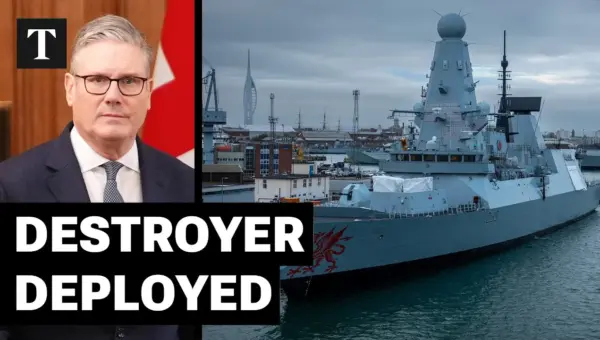
Questions have been raised about the timeliness of the UK’s response to the drone incident. Reports indicate that the proposal to send the HMS Dragon, a Type 45 destroyer equipped with ballistic missile defense capabilities, did not reach the Chief of Defence Staff until Tuesday, two days after the conflict began and a day after the drone hit the base on Sunday night. This delay has fueled perceptions of sluggish decision-making and inadequate preparedness. The Type 45 destroyers are considered the UK’s primary asset for countering ballistic missile threats, a capability deemed essential given the volatile situation in the Middle East.
Naval Assets Tied Up in Maintenance
Larisa Brown, Defence Editor for The Times, highlighted the stark reality of the UK’s naval readiness during a report. “A lot of people are raging about the current situation,” Brown stated, referring to the sentiment among former naval personnel. She elaborated on the core issues: “We’ve got so few frigates and destroyers and a lot of them are are tied up in maintenance, long long maintenance periods.” Furthermore, she noted, “We’ve got a problem with our submarines. There’s not enough sailors. Both of the aircraft carriers aren’t currently out at sea.” This state of affairs has led to a notable absence of a UK warship in the Middle East region, a situation not seen since the 1980s, leaving allies concerned about the UK’s ability to contribute effectively to maritime security and deterrence.
Broader Implications for International Relations
The current state of the Royal Navy is not just an internal UK matter; it carries significant weight in international relations. European allies and American partners have expressed frustration with what they perceive as a decline in the UK’s naval power projection. Allies in the Middle East and the wider region have also voiced concerns, particularly regarding the UK’s capacity to provide robust defense against retaliatory strikes, as highlighted by the High Commissioner of Cyprus to the UK. The island nation, which hosts two British bases, expected a stronger defense commitment, underscoring the diplomatic fallout from perceived naval deficiencies.
Details Emerge on Drone Incident
Further details surrounding the drone attack on RAF Akrotiri have emerged, adding complexity to the situation. Initially reported to have hit the runway, the drone is now understood to have impacted a hangar containing two undisclosed US spy planes involved in Operation Epic Fury reconnaissance missions. Intelligence suggests the drone may not have originated from Iran directly but from Iranian-backed militias in Lebanon or Western Iraq, possibly Hezbollah. The low flight path of the drone allowed it to evade the base’s radar systems, raising further questions about the effectiveness of current detection and defense mechanisms.
Defence Secretary’s Perspective
While the Defence Secretary faces criticism, his office points to actions taken to bolster defenses, such as the decision to deploy additional F-35 jets to Cyprus weeks prior. However, the reported delays in deploying naval assets, like the HMS Dragon, suggest a disconnect between the need for immediate response and the operational readiness of the fleet. The requirement for the ship to undergo maintenance and weapons fitting before deployment underscores the challenges posed by aging fleets and long maintenance cycles. This situation has led to a perception that even high-readiness assets are not sufficiently prepared for rapid deployment, a point likely to be a key focus of discussions during Healey’s visit.
Looking Ahead
The coming days and weeks will be crucial in observing how the UK government addresses these mounting concerns. Defence Secretary John Healey’s engagements in Cyprus are expected to provide insights into immediate measures being considered. Simultaneously, the ongoing scrutiny of naval readiness and the response from former military personnel will likely pressure the government to outline a clear strategy for fleet modernization and improved operational preparedness. The UK’s ability to reassure its allies and maintain its standing as a credible defense partner hinges on its capacity to demonstrate a swift and effective response to these critical challenges.
Source: Former UK Veterans ‘Raging’ About State Of The Navy | Larisa Brown (YouTube)

Related Articles


UK Navy ‘Woefully Underprepared’ for Iran Conflict, Warns Andrew Neil
Andrew Neil has declared the UK "woefully underprepared" for potential conflicts, citing a lack of naval presence in key regions and questioning the government's defense strategy. His critique highlights concerns over military readiness and the influence of legalistic approaches within the Foreign Office.

UK Deploys HMS Dragon to Cyprus Amidst Regional Military Buildup
The UK has deployed HMS Dragon to Cyprus following a drone strike on its sovereign base, amid a wider regional military buildup by France and Greece. The incident has led to temporary evacuations in nearby Cypriot villages and highlighted existing concerns about the bases making the island a target. Meanwhile, Iranians are fleeing the country due to unrest and internet blackouts, with Turkey concerned about a potential refugee crisis.

UK Base Vulnerable: Expert Downplays Cyprus Missile Threat
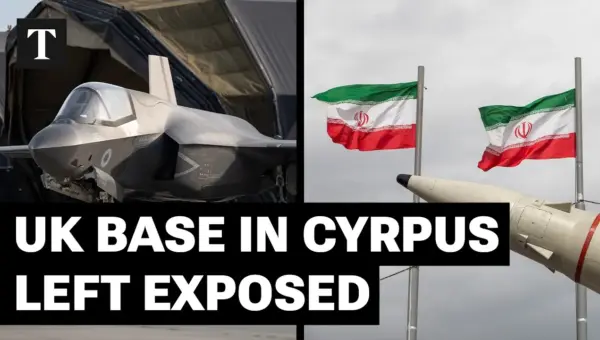
Major General Tim Cross has stated he is "not overly worried" about an immediate missile threat to the UK base in Cyprus, despite reports of inadequate defenses. He highlighted the need for significant investment in long-term missile defense for both Cyprus and the UK home base, citing depleted stockpiles and evolving threats.