UK Navigates Middle East Tensions Amid Iraq War Echoes
The UK navigates escalating Middle East tensions, with Prime Minister Starmer emphasizing a "limited defensive purpose" for any military support. This cautious approach, driven by public wariness of repeating the Iraq War's mistakes, contrasts with regional instability and strained UK-US relations. Meanwhile, plans for a potential mass evacuation of British citizens from the Gulf are reportedly underway.

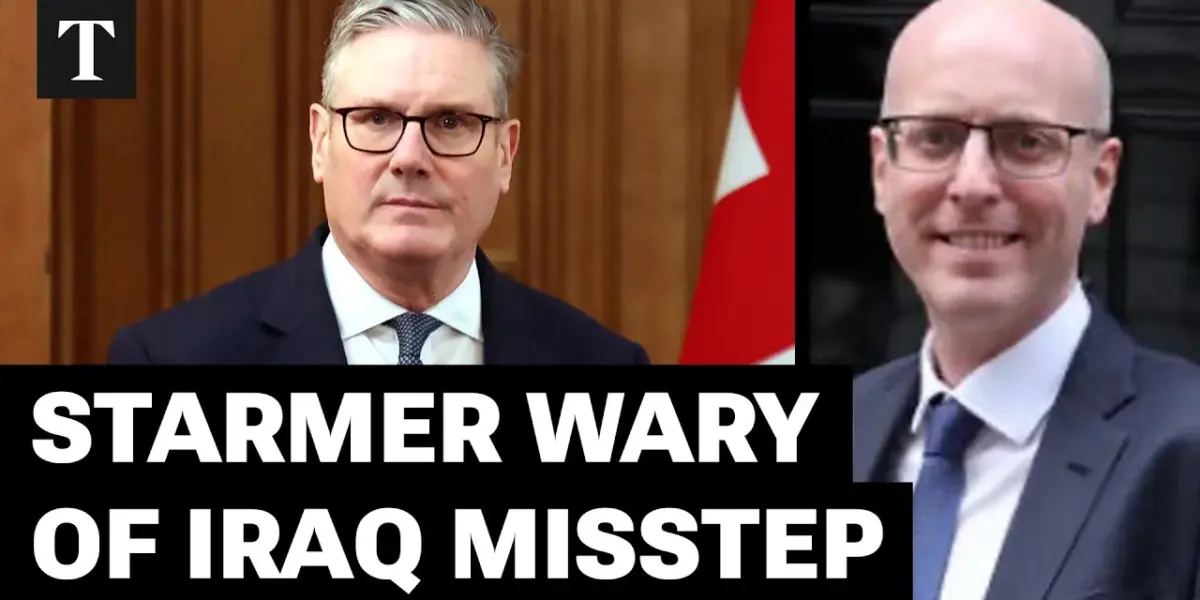
Starmer’s Legalistic Approach Contrasts With Regional Escalation
London, UK – As tensions in the Middle East reach a critical juncture, the United Kingdom finds itself in a delicate balancing act, attempting to de-escalate conflict while asserting its interests and protecting its citizens. Prime Minister Keir Starmer’s recent public address, characterized by a legalistic and precise articulation of the UK’s position, has drawn attention, with critics suggesting it may not fully resonate with a public wary of repeating past foreign policy missteps, particularly the 2003 Iraq War.
In a pre-recorded clip, Starmer, a former Director of Public Prosecutions, adopted a lawyerly tone, emphasizing that any UK support for military action in the region was strictly for a “limited defensive purpose.” This careful linguistic framing aims to distinguish current involvement from broader offensive operations, a strategy that underscores the government’s deep-seated concern about public perception and the historical shadow cast by the Iraq War.
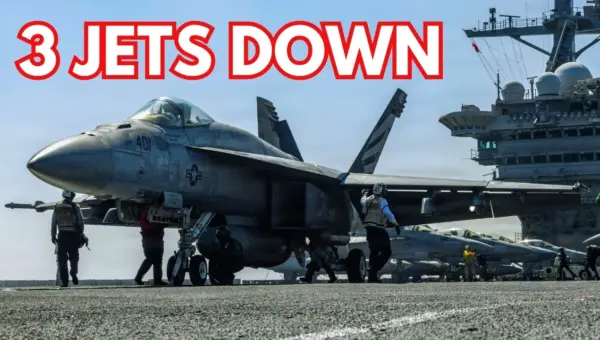
However, the nuanced distinction between defensive and offensive actions may be lost on many observers, particularly amidst a backdrop of escalating regional instability. Reports emerged overnight of a drone strike on an oil refinery in Saudi Arabia and an American aircraft reportedly being downed over Kuwait, with no casualties reported but significant visual evidence of explosions. Further explosions have been reported in Doha, Bahrain, and Dubai, painting a grim picture of a rapidly deteriorating security situation.
Foreign Secretary Defends UK’s Cautious Stance
Foreign Secretary Yvette Cooper addressed the government’s approach, acknowledging the complex calculations involved. “We have continually said we wanted deescalation and we also want ultimately to seek a negotiated agreement that can prevent any future use of nuclear weapons and development of nuclear weapons by Iran,” Cooper stated. She described Iran as a “malign regime” that has “brutally killed its own people” and poses a threat to its neighbors and even to UK streets.
Despite this characterization, Cooper stressed the UK’s commitment to regional stability and supporting defensive actions requested by Gulf partners. “Our guiding issue has been about UK interests and about what we think is the right way forward,” she explained. “Our assessment was that it was not in the UK’s interests to provide support for the action that took place over the weekend, but it is in UK interests and it is the right thing to do given how many British citizens that we have in the region to support this defensive action now.”
This stance has not been without international scrutiny. U.S. Senator Lindsey Graham expressed disappointment, suggesting a perceived lack of resolve from Western democracies. “It’s sad to see Western democracies lose their passion for justice and a sense of right and wrong the further away from their shores the event occurs,” Graham remarked.
‘U-Turn’ or Strategic Realignment?
Political analysts, including Steven Swinford, The Times’ Political Editor, have interpreted the government’s shifting position as a potential U-turn. However, Number 10 adamantly denies this, asserting that the initial request involved using British bases for offensive air strikes against Iranian leadership, which the UK declined. The current support, they maintain, is for more targeted actions, such as disabling missile silos.
“This wasn’t a kind of stirring wartime speech of us joining action; this was careful, limited, and that is because they are worried exactly as you said Kate about that clip. They’re worried about the spectre of the Iraq war and obviously how their voters felt about that and continue to feel about that to this day.”
Swinford highlighted the government’s deliberate emphasis on the limited and defensive nature of their support, a direct response to public apprehension surrounding the Iraq War. The public’s strong negative sentiment towards the 2003 intervention continues to influence political decision-making, prompting a cautious and highly calibrated approach from the current administration.
Strained UK-US Relations and Civilian Concerns
The situation has also exposed potential strains in the relationship between the UK and the United States. While Prime Minister Starmer and President Trump reportedly spoke briefly over the weekend, the context of the UK’s refusal to allow its bases to be used for offensive strikes was likely a key topic. Swinford noted a significant deterioration in relations between the two leaders, referencing past public disagreements.
The UK’s position has placed Defense Secretary John Healey in a difficult spot, repeatedly unable to publicly confirm support for the initial offensive actions by the US and Israel. “We are kind of with them in a defensive capacity. We don’t want British civilians being targeted. We don’t want drone attacks against Cyprus, but we are certainly not supporting the original action,” Swinford explained, adding that the UK privately determined the original action to be illegal but has refrained from making this public.
Mass Evacuation Planning Underway
Beyond the immediate military and diplomatic considerations, a significant story is emerging regarding the potential mass evacuation of British citizens from Gulf countries. With airspace closures impacting travel, an estimated 200,000 to 300,000 individuals, many of whom are British nationals, are currently stranded. Contingency planning is reportedly underway for a large-scale operation, potentially involving bus convoys to neighboring countries for onward flights.
The urgency of the situation is amplified by the duration of the conflict. If tensions persist, the logistical and humanitarian challenge of evacuating potentially hundreds of thousands of people could become one of the largest evacuations in modern history. This looming crisis adds another layer of complexity to the UK’s foreign policy challenges in the region.
Looking Ahead
As the situation in the Middle East continues to evolve rapidly, all eyes will be on Westminster for further statements from the Prime Minister and Defense Secretary. The government faces the dual challenge of managing international relations, particularly with the United States, while reassuring its domestic audience and ensuring the safety of its citizens abroad. The success of any potential large-scale evacuation will also be a critical test of the government’s preparedness and operational capacity in a crisis scenario.
Source: ‘Spectre Of Iraq War’ Hangs Over Starmer’s Every Move (YouTube)

Related Articles

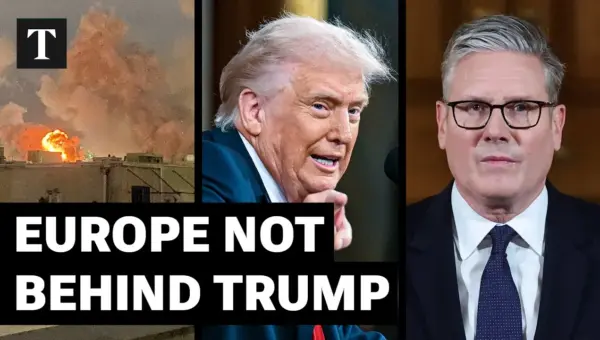
Trump’s Iran Strikes Lack European Allies’ Backing Amid Escalation
President Trump's recent strikes on Iran have met with a notable lack of support from key European allies, highlighting a growing transatlantic rift. As the conflict escalates with Iranian retaliation, questions linger about the sustainability of the US strategy and the stability of the Iranian regime.
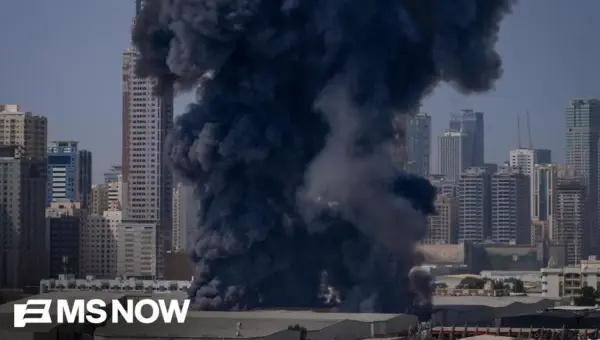
US Tourist Shares Dubai Experience Amidst Middle East Conflict
An American businesswoman stranded in Dubai amid Middle East conflict shares her experience, highlighting the UAE's effective defense systems and the calm resilience of the local population. While flights remain uncertain, she expresses a sense of security and perspective, acknowledging the ongoing challenges faced by others in the region.
Iran War Escalates: US Admits More Casualties, Allies Consider Joining
The Pentagon has warned of more U.S. casualties as the conflict with Iran escalates, drawing in Hezbollah and potentially European allies. Amidst reports of friendly fire incidents and unverified casualty claims, the U.S. faces strategic challenges in countering Iran's asymmetric tactics.