UK Must Clarify Iran Stance, Ex-Minister Urges
Former Security Minister Tom Tugendhat urges the UK to clarify its stance on the Iran conflict, emphasizing logistical challenges and the need to maintain the crucial US alliance. He argues against direct UK involvement in offensive strikes while stressing the importance of supporting allies defensively.

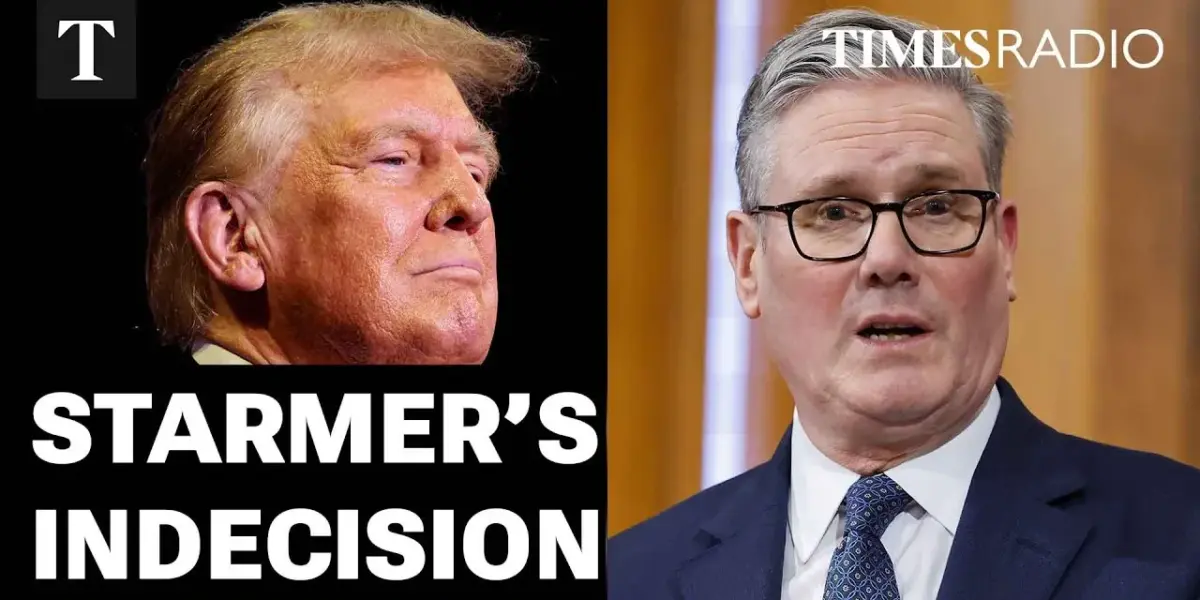
Tugendhat Calls for Clear UK Policy on Iran Conflict
Former Security Minister Tom Tugendhat has emphasized the critical need for the United Kingdom to articulate a clear and consistent policy regarding the escalating tensions with Iran. Speaking on Times Radio, Tugendhat, who served in Iraq and Afghanistan, argued that while supporting allies is crucial, direct involvement in offensive actions against Iran is neither wise nor in the UK’s best interests. He highlighted the complex geopolitical landscape and the logistical challenges inherent in modern warfare, drawing parallels with the conflict in Ukraine.
Logistics Trump Tactics in Modern Warfare
Tugendhat invoked the words of General Omar Bradley, stating that “amateurs talk tactics, professionals talk logistics.” This sentiment underscores his view on the current conflict, where the ability to sustain supply chains and manufacturing capabilities is paramount. He pointed out the significant production of inexpensive but effective drones by Iran, such as the Shahid 136, which has been supplied to Russia and used against Ukraine. Conversely, the United States and its allies are expending vast quantities of expensive munitions in response. The United Arab Emirates, for instance, has reportedly deployed substantial ordnance to counter incoming drone attacks.
“What we’re looking at is a real challenge of both supply and manufacturing,” Tugendhat explained. “The Iranians are making an extraordinary number of very cheap drones… And of course, the Americans on the American side, they’re firing up huge amounts of weaponry.” He also noted the defensive efforts of regional partners like the UAE, who are racing to resupply their forces amidst sustained Iranian aerial activity.
Uncertain US Strategy Raises Concerns
A significant point of concern for Tugendhat is the apparent lack of a defined strategy from the United States and its allies regarding the ultimate aims of their actions. He cited conflicting messages, including recent statements from the US President about potentially choosing Iran’s next leader, which he described as “a big ask.”
“I’m afraid until I know what the aim of the US and Israeli governments are, it’s very difficult to give you an answer,” Tugendhat stated. “And I’ve heard various different conflicting messages… So until I’ve heard a proper strategy out of the United States, it’s very difficult to give you an answer.”
UK’s Defensive Role and Strategic Positioning
Echoing sentiments previously expressed by Baroness Varsi, former chair of the Conservative Party, Tugendhat agreed that the UK’s current approach of providing defensive support to allies while avoiding direct strikes on Iran is likely the correct course of action. However, he criticized the government’s preparedness, noting the absence of a British warship in the Persian Gulf or Mediterranean amidst rising tensions.
“I think it’s certainly essential that we help supporting our allies and our friends in the region,” Tugendhat said. “And that’s why I was so disappointed that given all the tensions arising, we found ourselves without a warship in the Gulf or the Mediterranean.” He argued that such a deployment should have been planned and executed much earlier, not as a reactive measure. The lack of a visible naval presence, he warned, exposes not only UK military families stationed in the region but also its allies from Kuwait down to Oman.
“But no, I don’t think we should be involved in striking targets in Iran. I don’t think that’s either necessary or wise,” he reiterated. “What we should be doing is making sure that we are capable of supporting our own defenses. And that’s something we’re short of.”
Maintaining the Crucial US Alliance
Tugendhat stressed the non-negotiable importance of the UK’s alliance with the United States, particularly in areas of security, counter-terrorism, and intelligence sharing. He believes Prime Minister Keir Starmer needs to demonstrate strong leadership and political judgment to maintain this vital partnership while clearly defining the UK’s role.
“What he should have been able to say was that the United States was free to use their bases. After all, they have a perfectly respectable uh position that this is self-defense. But that doesn’t mean that it’s wise for the United Kingdom to be involved,” Tugendhat advised. “And had he done that, he’d have allowed the Americans to get on with what they want to do and provided the political uh reassurance that we are still close allies.”
Looking Ahead: Clarity and Preparedness
As the situation in the Middle East remains volatile, the focus will be on whether the UK can effectively communicate its strategic objectives and demonstrate its commitment to regional stability without becoming entangled in direct conflict. Tugendhat’s remarks highlight the delicate balance required between supporting allies and safeguarding national interests, a challenge that demands clear political leadership and robust defense capabilities.
Source: Starmer Should’ve Made UK’s Iran Stance Clear From The Start | Tom Tugendhat (YouTube)

Related Articles
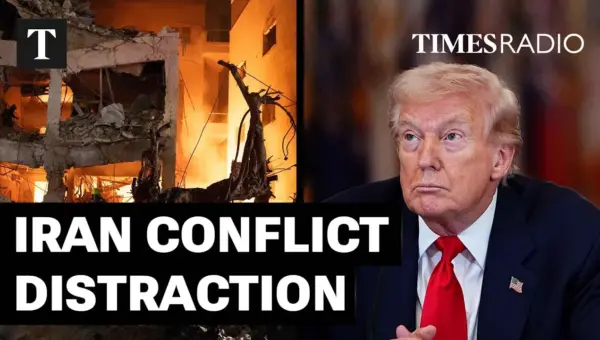
US Strikes Iran: Economy, Not Conflict, Dominates American Minds
Despite escalating tensions and US strikes in Iran, American voters appear more concerned with the domestic economy. Polling reveals a majority oppose the conflict, while experts warn that economic woes could overshadow foreign policy, impacting President Trump's political future.
Congress Faces Backlash Over War Powers Amidst Escalating Iran Conflict
Congress is facing intense criticism for its failure to curb President Trump's military actions against Iran, with critics citing a "total lack of courage" and complicity with executive overreach. Reports suggest Trump is considering ground troops in Iran, while economic impacts like rising gas prices and concerns over foreign influence and leadership competency are mounting.

UK Navigates Iran Tensions Amidst Defense Woes and Political Flux
The UK faces complex geopolitical challenges amid escalating Iran tensions, prompting a review of defense capabilities and a cautious approach to intervention. Domestic politics are also in flux, with scrutiny on Reform UK's electoral prospects and Labour's internal divisions over immigration policy.