UK Mulls Direct Bombing of Iran Amid Escalating Tensions
Britain is reportedly considering direct bombing operations against Iran, a significant escalation from its current role. Deputy Prime Minister David Lammy suggested the RAF could conduct strikes, potentially based on existing legal frameworks for collective self-defense. This comes as Labour criticizes U.S. actions, while European allies push for diplomatic solutions.

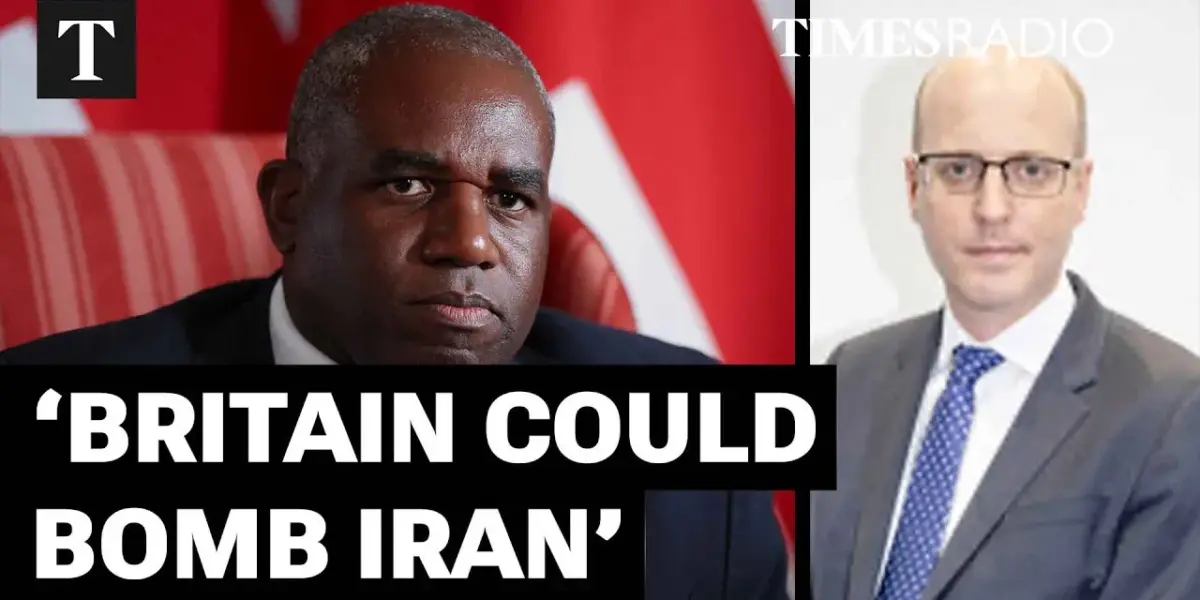
UK Considers Direct Military Action Against Iran
In a significant shift in policy and rhetoric, the United Kingdom is reportedly contemplating direct military action against Iran, a move that would dramatically escalate its involvement in the Middle East conflict. The suggestion, voiced by Deputy Prime Minister David Lammy, indicates a potential departure from the UK’s current supportive but indirect role alongside the United States.
Lammy’s Bold Statement on British Bombing Operations
David Lammy has publicly stated that the Royal Air Force (RAF) itself could mount bombing operations against missile sites and launchers in Iran. This assertion goes beyond the existing agreement that allows the U.S. to use British bases for defensive airstrikes. Lammy’s comments, made during media appearances, suggest that Britain might directly engage in offensive actions, a prospect that carries substantial geopolitical implications.
“At the moment we have an agreement with the Americans where we’ve allowed them to use our bases to mount defensive air strikes on missile sight silos and launchers in Iran. David Lammy has gone one further and said the quiet bit out loud that the RAF itself could mount bombing operations effectively against those sites which would be a major escalation of our role and could be much trickier,” reported Steven Swinford, Political Editor of The Times.
Labour’s Shifting Stance and Public Opinion
The potential for direct British military engagement comes at a time when the Labour Party, under Sir Keir Starmer, has been positioning itself as a voice of restraint. Starmer has repeatedly criticized the U.S. offensive against Iran as illegal and lacking a clear plan, a stance that has resonated well with Labour MPs and appears to align with public sentiment. Polling data indicates that over half of UK voters oppose the U.S. action, with only about a fifth in support. Even among Conservative voters, a slight majority express opposition.
“In terms of who is warming to the prime minister’s stance on all this, Labour MPs are very happy with the prime minister’s position so far. So, this week in the comments, he said repeatedly that the US original offensive against Iran was illegal. And he also said that there is no thought through plan, which is pretty trenchant criticism of Donald Trump,” Swinford explained.
Legal Basis for UK Action
Lammy’s statements also touched upon the legality of potential British bombing operations. He suggested that such actions could be legally permissible, citing the existing framework of collective self-defense. The logic posits that since the UK has already authorized limited, defensive U.S. strikes based on this principle, a similar legal basis could be established for direct British involvement.
“The most interesting thing he said as well is that it would be legal to do so because we have already given the US the green light to do these limited defensive uh attacks on on Iranian sites and the logic of that was that was legally sound because of a collective self-defense. Lord Herman, the attorney general gave advice. The prime minister accepted that advice. So that advice is out there and it says it’s legally sound. So the legal basis is actually already there in collective self-defense. It’s just a question of will we do it now?” Swinford elaborated.
Trigger Points and Escalation Concerns
The key question now revolves around the circumstances that might trigger such direct action. Analysts suggest that further Iranian attacks on sovereign assets in the Middle East or threats to British citizens’ lives could provide a clear basis for intervention. While the technical difference between allowing U.S. strikes from joint bases and conducting British ones is slim, the latter represents a far more significant political and military statement.
The potential escalation coincides with remarks from U.S. Secretary of Defense Pete Hegseth, who has reportedly advocated for intensifying the conflict with Iran. This raises questions about the UK’s potential involvement within a broader European context.
European Allies Advocate for De-escalation
In contrast to the escalating rhetoric surrounding potential British involvement, European allies, including France, have consistently called for a negotiated settlement. French President Emmanuel Macron has reportedly engaged in direct talks with the Iranian regime, a move not undertaken by other major powers. This highlights a broader European consensus favoring de-escalation and diplomatic solutions.
“So he was essentially telling Trump your actions have caused chaos in the Middle East. Sort this out. We need a peace deal. Right? All conflicts by that logic would end in peace is I think is the logic of what he was saying. And we’ve heard the same noises from all of our European allies, particularly Emanuel Macron,” Swinford noted.
However, the effectiveness of these diplomatic efforts is questionable given President Trump’s apparent commitment to a more assertive approach. The collapse in relations between the U.S. and its European allies, particularly the UK, further complicates efforts to deter a more aggressive U.S. policy.
Looking Ahead
The coming days will be crucial in determining the UK’s path forward. Whether David Lammy’s statements signal a firm policy shift or a trial balloon remains to be seen. The international community will be closely watching for any signs of direct British military engagement in Iran and the potential ramifications for regional stability and global diplomacy.
Source: David Lammy Says The UK Could Legally Bomb Iran | Steven Swinford (YouTube)

Related Articles

Ex-MI6 Chief: UK Faces Iran Threats, Starmer Lacks Churchill’s Conviction
Former MI6 chief Sir Richard Dearlove discusses the threat of Iranian intelligence operations on UK soil following recent arrests. He also draws a stark comparison between current political leadership and historical figures, suggesting a lack of conviction in figures like Keir Starmer.


Iran’s Retaliation Fears: Germany on High Alert for Hybrid Attacks
Germany is on high alert for potential Iranian retaliation following recent attacks in the Middle East. Experts warn of Iran's hybrid warfare tactics, which could target Jewish sites, US interests, and public spaces using proxies or organized crime. Security services have increased vigilance, though limitations in cyber monitoring pose challenges.


Iran’s Hybrid Warfare: A Growing Threat to German Security
Germany faces a growing security threat from Iran's hybrid warfare tactics, which now include commissioning attacks through organized crime and potentially self-radicalized individuals. This evolving strategy poses a significant challenge to detection and prevention efforts.