UK Leads Global Effort to Secure Strait of Hormuz
The UK has rallied over 40 countries to address the crisis in the Strait of Hormuz, a vital global energy route. The initiative seeks diplomatic and economic solutions amidst rising tensions and calls for a stronger European role. Experts suggest that negotiation, rather than military action, is key to securing the strait's passage.

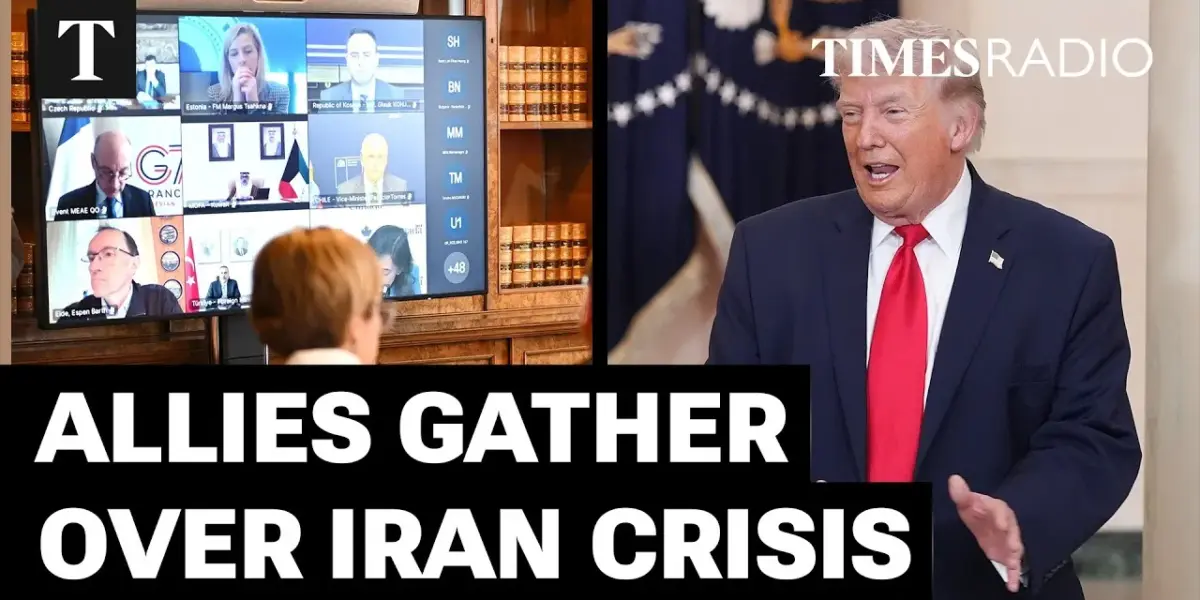
UK Gathers Coalition to Address Strait of Hormuz Crisis
In response to escalating tensions and threats impacting the vital Strait of Hormuz, the United Kingdom has initiated a broad diplomatic effort, bringing together over 40 countries. This move aims to find collective solutions to ensure the safe passage of ships through this critical global energy choke point. The initiative comes amid heightened rhetoric from the United States, with President Trump issuing new warnings to Iran regarding potential strikes on civilian infrastructure.
Europe’s Difficult Position
The situation has placed European allies in a challenging position. President Trump has called on Europe to take a more forceful role in securing the strait, despite not consulting them before escalating actions. The UK’s Foreign Secretary, Liz Truss, convened a virtual meeting to discuss the crisis, emphasizing the group’s commitment to using “the collective mobilization of our full range of diplomatic and economic tools to enable a safe and sustained opening of the streets of Hormuz.” This focus on the strait is due to its critical role in global energy supplies, affecting economies worldwide.
Understanding the Strait of Hormuz
The Strait of Hormuz is a narrow waterway, about 104 miles long, connecting the Persian Gulf to the Gulf of Oman. It is one of the world’s most important oil transit points. Approximately 30% of the world’s seaborne oil trade passes through this strait daily. Its strategic importance means that any disruption can have immediate and significant global economic consequences, impacting energy costs for businesses and individuals.
Diplomacy Over Military Action
Baroness Catherine Ashton, former EU High Representative for Foreign Affairs and Security Policy, highlighted the complexities of the situation. She noted that while getting countries to talk is a good first step, the real question is what they are willing and able to do. Ashton suggested that directly intervening militarily in the strait is difficult due to its geography and the potential for escalation. Instead, she argued that opening the strait fully will likely require negotiation.
“The only way you’re going to get the straits open properly is through some level of negotiation. And that means actually trying to get round the table or getting some people around the table with Iran to work out what is going to get the straits open.”
Baroness Catherine Ashton
Challenges in Negotiation
Ashton pointed out that a key challenge is the uncertainty surrounding Iran’s war aims and what specific objectives President Trump seeks to resolve before the conflict can end. She also touched upon the Iran nuclear deal, recalling that Iran adhered to the agreement, which was verified by the International Atomic Energy Agency. The US withdrawal from the deal under President Trump’s administration has created a trust deficit, making future negotiations more complicated. Ashton stated, “From their experience, if you like, they would say, well, why would we think America would stick to this one? They didn’t stick to the last one.”
Regional Diplomacy and Future Security
The discussion also explored the role of regional players. Countries like Pakistan, Egypt, Saudi Arabia, and Turkey are reportedly engaging in dialogue with both the US and Iran. Ashton suggested that the region itself might need to take a leading role in finding solutions for the current crisis and future stability. This approach emphasizes that regional actors are best positioned to understand and address the underlying issues.
NATO and European Defense
The conversation also addressed President Trump’s threats to withdraw from NATO and its implications for European defense. Ashton noted that while US frustration with European defense spending is not new, the current situation is prompting Europeans to re-evaluate their own security. She believes this will likely lead to closer defense ties between Britain and European nations, given their geographical proximity and shared interests. This could strengthen collective European defense capabilities.
Looking Ahead
The international community, led by the UK, is prioritizing diplomatic solutions to de-escalate tensions in the Strait of Hormuz. The effectiveness of this broad coalition will depend on its ability to translate discussions into tangible actions and facilitate meaningful negotiations with Iran. As energy costs and global economic stability remain concerns, all eyes will be on the progress of these diplomatic efforts and the potential for a regional-led resolution.
Source: UK Gathers Coalition of Countries To Combat Strait Of Hormuz Crisis (YouTube)

Related Articles
Iran Claims Jet Downed, Escalates Regional Attacks
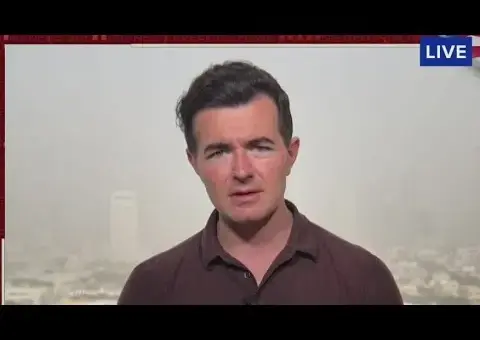
Iran claims it shot down a U.S. fighter jet, marking a significant escalation in regional tensions. The U.S. has been targeting Iranian infrastructure, while Iran and its allies have launched retaliatory strikes across the Middle East, impacting oil facilities and causing injuries. The critical Strait of Hormuz remains a key point of contention.

Iran War Escalates, Threatening Global Shipping Lanes
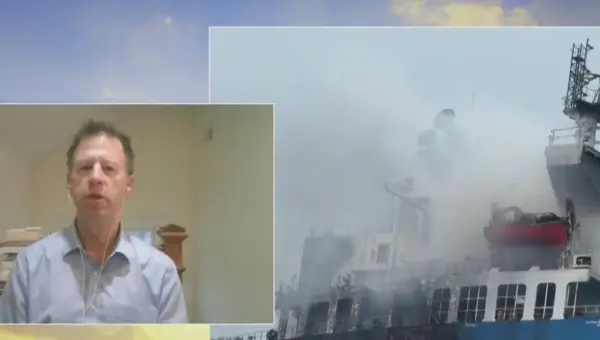
An escalating conflict involving Iran threatens to prolong fighting and disrupt global shipping through the Strait of Hormuz. Experts warn of unpredictable war dynamics and potential U.S. military actions against Iranian infrastructure, raising concerns about regional stability and economic impacts.


Trump’s Diplomacy Shakes Global Alliances, Future Uncertain
President Trump's recent address on the Iran conflict offered few new insights, leaving allies questioning America's reliability. Despite claims of victory, the long-term impact on global alliances and the prospect of a recession remain significant concerns.