UK Households Face £330 Energy Bill Hike Amid Global Conflicts
UK households face a significant financial strain as energy bills are projected to rise by £330 annually due to the lifting of the price cap. Global conflicts are driving up costs for energy, food, and mortgages, prompting experts to advise consumers on protective measures. Simple changes in energy use and financial planning can help mitigate the impact of this economic uncertainty.

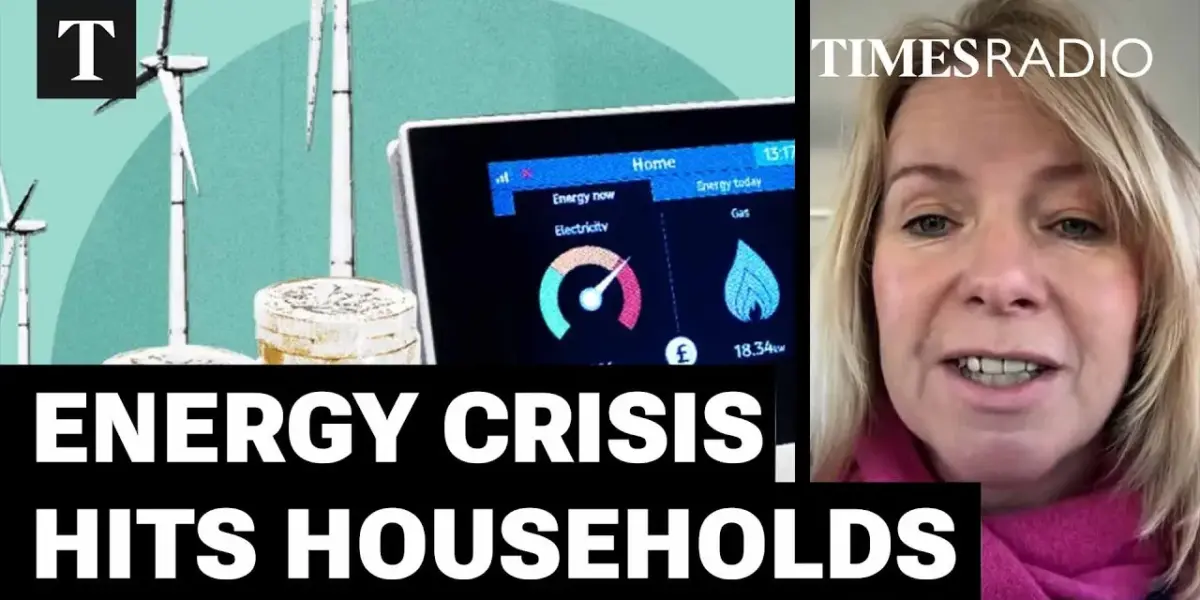
UK Energy Bills Set to Soar by £330 Annually
British households are bracing for a significant increase in their energy costs, with financial experts predicting an annual rise of approximately £330 per household. This jump is largely due to the expected lifting of the energy price cap, a measure designed to protect consumers from extreme price fluctuations. The ongoing global conflicts are directly impacting energy markets, leading to higher prices not only for electricity and gas but also at the petrol pumps.
Financial commentator Susannah Streeter highlighted the real-world impact of these global events on everyday Britons. “The financial consequences it has for all of us here in the UK are very, very real indeed,” Streeter stated. “From food to energy to mortgages, all of us would be very wise to consider how best to protect ourselves from this new period of economic uncertainty.”
Expert Advice for Managing Rising Energy Costs
To combat the inevitable rise in energy prices, Streeter offered practical advice for consumers. For those driving, simple changes like reducing car usage, carpooling, or driving more slowly can help cut down on fuel consumption. These are familiar tactics that can now be put into practice more diligently to save money.
When it comes to home energy, the situation is more complex as many of the cheapest deals are no longer available. Streeter suggested exploring tariffs that offer lower rates during off-peak hours. “You have to look at your smart meter and just assess where you really need to use energy during the day,” she advised. This means considering shifting energy-intensive tasks like running the washing machine or dishwasher to late at night.
Additionally, Streeter recommended using energy-efficient appliances. “Maybe get out the air fryer, invest in an air fryer,” she said. “That’s what I’ve certainly been doing, trying to cook everything in the air fryer because I know that it’s cheaper overall than turning on the gas hob and putting on the big oven.” She also noted that using an air fryer is more economical than a tumble dryer.
For individuals who do not pay their energy bills by direct debit, Streeter advised comparing different energy suppliers and deals. While direct debit often offers better rates, she pointed out that those struggling financially can apply for emergency funds from local authorities. “This is particularly important for people who’ve seen their heating oil go up,” she explained, adding that government crisis funds are available for various domestic fuel needs.
Global Conflicts Fueling Food Price Increases
The impact of global conflicts extends beyond energy, significantly affecting food prices. Streeter explained that increased transportation costs, driven by higher energy prices, are a primary factor. “The food has to be transported and that is why partly why food prices will go up,” she noted.
Another major contributor is the rising cost of fertilizer. Disruptions in fertilizer exports from the Middle East mean that farmers face higher expenses, which are then passed on to consumers. “All of these different reasons really why you’re likely to see food prices nudge up,” Streeter commented.
She urged consumers to be prepared for further increases, especially given that food prices had recently been falling. Streeter suggested revisiting cost-saving strategies used during previous periods of rising food costs, such as batch cooking. “Batch cooking that is a real money saver,” she emphasized. “If you can get yourself organized and try and cook in advance, it does make a huge difference.”
Mortgage Rates Expected to Rise
The ripple effects of global instability are also impacting the mortgage market. Lenders have already begun withdrawing cheaper mortgage deals and increasing rates on new offers. This trend is linked to rising inflation expectations.
The Bank of England has indicated that inflation may not fall as quickly as previously predicted, with some forecasts suggesting it could reach 3.5% or higher if conflicts persist. Financial markets are now pricing in at least one, and possibly two, interest rate hikes by the Bank of England. “The bank of England governor said this week that the bank was standing by ready to take action,” Streeter mentioned, which is seen as a signal that interest rates could indeed rise.
For homeowners worried about their mortgages, Streeter recommended acting quickly. “If you are worried about getting a mortgage, it may be really worth trying to fix one of those deals,” she advised. “Get hold of one of those deals currently on the market but perhaps for a reduced term.”
Alternative strategies include extending the mortgage term to lower monthly payments. Homeowners can then choose to overpay by up to 10% annually if they have the funds, which can help reduce the total amount of interest paid over the life of the loan. This approach offers flexibility in managing payments while still working towards paying off the mortgage sooner.
Looking Ahead
As global events continue to unfold, consumers must remain vigilant and proactive in managing their household finances. The confluence of rising energy prices, increased food costs, and potential interest rate hikes presents a challenging economic outlook. Staying informed about market trends and implementing cost-saving measures will be crucial for navigating this period of uncertainty.
Source: Iran War Causes UK Energy Bills To Increase By £330 | Financial Expert Susannah Streeter (YouTube)

Related Articles


Fed Rate Hike Fears Spark Stock Sell-Off
Investors are bracing for potential Federal Reserve interest rate hikes in 2026 as rising oil prices and persistent inflation clash with a slowing economy. This stagflationary concern has triggered a stock market downturn, presenting both risks and opportunities for investors.


Markets Wobble as Geopolitics Shift Dramatically
Global markets are showing volatility as geopolitical tensions rise, with the Nasdaq nearing correction territory. Concerns over consumer spending, rising costs, and the nation's fiscal health are intensifying. Analysts debate whether current events represent short-term market noise or a fundamental "reinvention of geopolitics" with long-term implications.

Global Shortages Hit Helium, Fertilizers Amid War
Global shortages are expanding beyond oil and gas, now impacting critical materials like helium and fertilizers. These supply disruptions threaten tech manufacturing and food production, raising concerns about inflation and economic growth. The situation signals a widening global supply shock with significant market implications.