UK High Court Overturns Government Ban on Palestine Action Protest Group
The UK High Court has overturned the government's controversial ban on Palestine Action, ruling that classifying the protest group as a terrorist organization violated fundamental rights to freedom of assembly and speech. The decision has led to the collapse of hundreds of prosecutions against supporters and represents a significant victory for protest rights in Britain.

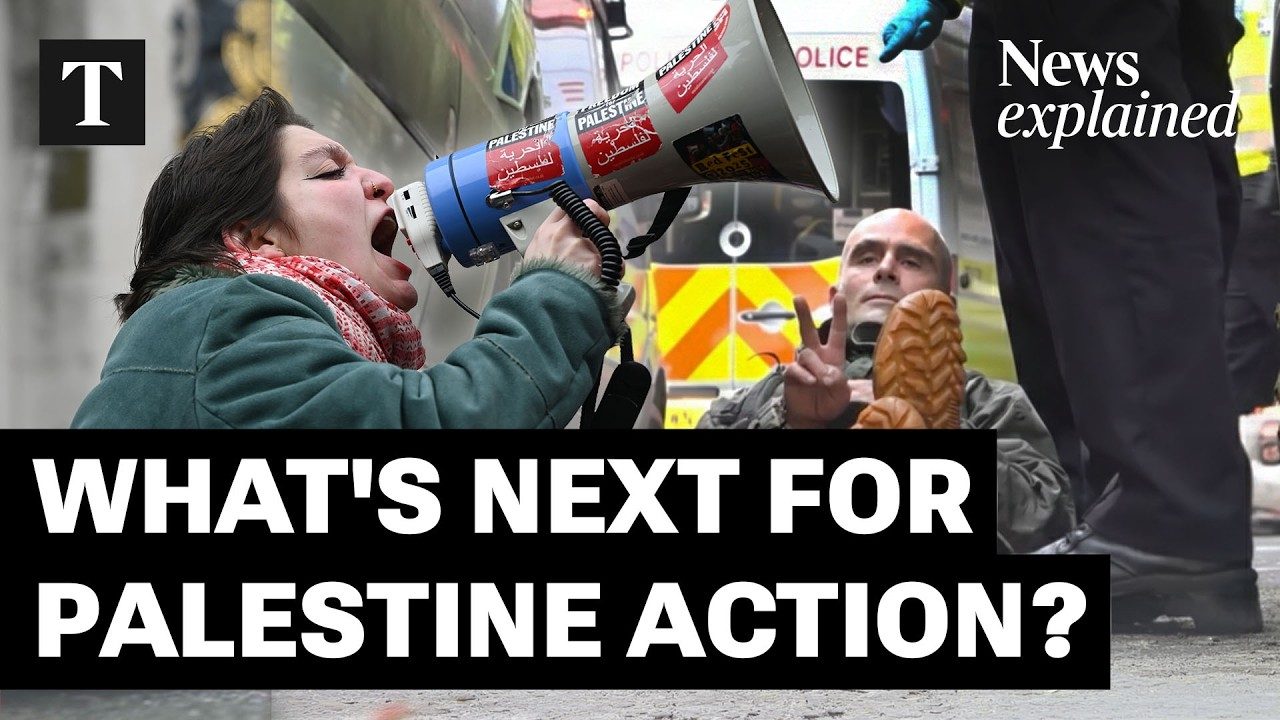
In a landmark ruling that has significant implications for protest rights in the United Kingdom, the High Court has overturned the government’s controversial decision to ban Palestine Action, a disruptive protest group that targets companies linked to Israel’s defense sector.
Background of Palestine Action
Palestine Action is a direct action protest group founded by Huda Omori, daughter of a Palestinian father and Iraqi mother, alongside Richard Bernard, a veteran left-wing activist. The organization describes its mission as ending “Britain’s complicity in Israel’s genocidal and apartheid regime.”
The group has gained notoriety for its disruptive tactics, primarily targeting Elbit Systems, an Israel-based defense company that operates factories in the UK. Their methods have included vandalism, obstruction, and criminal damage to property associated with companies they view as complicit in Israeli military operations.
The Government’s Proscription Decision
In June 2025, Home Secretary Yvette Cooper announced the government’s decision to proscribe Palestine Action under terrorism legislation. The timing was particularly significant, coming just hours after activists broke into RAF Brize Norton, the RAF’s largest air base, and vandalized two Voyager aircraft.
Cooper defended the decision, stating: “We’ve seen a series of violent incidents, including targeting national security infrastructure, including injuries and weapons involved.” The proscription placed Palestine Action alongside internationally recognized terrorist organizations such as Al-Qaeda, ISIS, and domestic extremist groups like the National Front.
Controversial Classification and Immediate Impact
The decision to classify Palestine Action as a terrorist organization proved highly controversial among legal experts, civil rights advocates, and political commentators. Critics argued that the government had failed to meet the legal threshold required for proscription and that existing criminal law was sufficient to address the group’s activities.
United Nations experts raised concerns about the potential “chilling effect” the proscription could have on legitimate political protests throughout the UK. These fears materialized almost immediately when the ban took effect.
Within hours of the proscription coming into force, 29 protesters in Parliament Square were arrested simply for holding signs that read “I oppose genocide. I support Palestine Action.” The crackdown quickly expanded nationwide, with over 2,000 protesters arrested for expressing support for the group. Of these arrests, more than 200 individuals faced formal charges.
Legal Challenge and Victory
In February, Palestine Action founder Huda Amorei successfully challenged the government’s proscription decision in the High Court. The court ruled on two primary grounds that the ban was unlawful.
First, the court found that the proscription violated fundamental rights protected under the European Convention on Human Rights, specifically the rights to freedom of assembly and freedom of speech. Second, the High Court determined that the ban was disproportionate to the actual threat posed by the group.
Crucially, the court ruled that Palestine Action’s activities had not reached a scale that would warrant classification as a terrorist organization under UK law. Following the judgment, a representative stated: “Today’s judgment is a clear victory not just for Palestine Action, but it’s a victory for democracy and rights in the United Kingdom.”
Immediate Consequences of the Ruling
The High Court’s decision had immediate practical implications. The Metropolitan Police announced they would cease arrests of protesters holding placards supporting Palestine Action, and prosecutions against hundreds of individuals charged solely for displaying supportive signs began to collapse.
The ruling was celebrated by civil liberties advocates as a significant victory for protest rights in the UK, with Palestine Action representatives expressing confidence that any government appeal would similarly fail.
Government Response and Ongoing Legal Battles
Current Home Secretary Shabana Mahmood has defended her predecessor’s decision and announced the government’s intention to appeal the High Court ruling. The Home Office is expected to argue in upcoming hearings that the ban on Palestine Action should remain in place throughout the appeals process.
Meanwhile, the group continues to face serious criminal charges through separate legal proceedings. The Crown Prosecution Service has announced that six Palestine Action activists will face a retrial on charges of criminal damage and violence related to a break-in at Elbit’s Bilton factory in August 2024.
The case involves serious allegations, including an incident where a police officer was reportedly attacked with a sledgehammer, resulting in a fractured spine, and over £1 million worth of equipment damage. While the jury in the initial trial cleared the activists of aggravated burglary charges, they could not reach a verdict on other charges, necessitating the retrial scheduled for February.
Broader Implications for Protest Rights
The Palestine Action case raises fundamental questions about the boundaries of legitimate protest in democratic societies and the appropriate use of terrorism legislation. Legal experts have noted that the case could set important precedents for how governments can restrict political activism and whether anti-terrorism laws should be applied to domestic protest movements.
The controversy also highlights the ongoing debate about the UK’s relationship with Israel and Palestine, with Palestine Action’s activities reflecting broader public concerns about British involvement in Middle Eastern conflicts. As legal proceedings continue, the case will likely remain a significant test of the balance between national security concerns and fundamental democratic rights in the United Kingdom.
Source: UK Government's Fight To Ban Palestine Action Explained (YouTube)

Related Articles

Kansas Law Sparks Outrage by Revoking Transgender IDs
Kansas lawmakers have enacted a law retroactively invalidating IDs for approximately 1,700 transgender residents, sparking outrage and concerns over civil rights. The legislation also includes a controversial bathroom ban with citizen enforcement provisions.


South Dakota Governor Kristi Noem Sued Over ICE Surveillance
Governor Kristi Noem and the Department of Homeland Security are being sued by citizens alleging the unlawful surveillance of protesters by ICE. The lawsuit details claims of facial scanning, vehicle tracking, and home visits, aiming to halt these alleged invasive practices.


ICE Sued for Alleged Surveillance of Protesters
A new lawsuit alleges that U.S. Immigration and Customs Enforcement (ICE) has been using advanced surveillance technology to spy on American protesters. The suit claims tactics like face scanning, car tracking, and home visits are being used, raising concerns about civil liberties and the agency's priorities.