UK Govt Fears Iran War Economic Fallout, Energy Bills Set to Soar
The UK government is deeply concerned about the economic fallout from the escalating Iran conflict, with fears of a significant surge in energy bills by June. Rising oil prices and inflation are creating a cost-of-living crisis, while diplomatic relations and future trade terms hang in the balance.

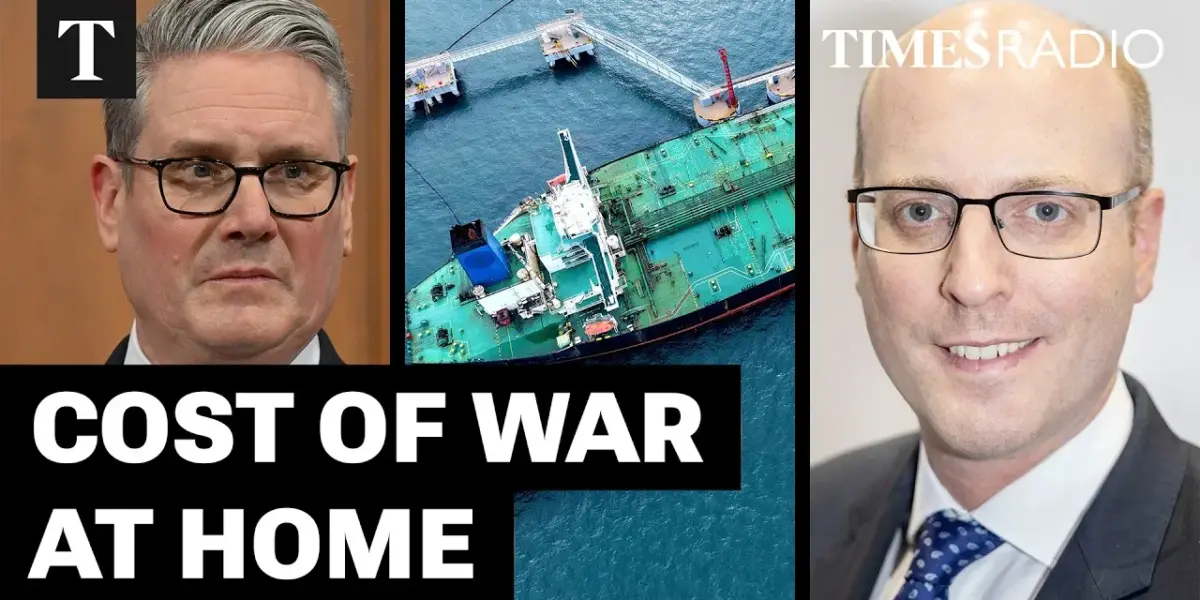
Government Faces Economic Crisis Amidst Escalating Iran Conflict
Westminster is grappling with the significant economic repercussions of the escalating conflict involving Iran, with Downing Street expressing deep concern over rising energy prices and wider inflation. The war’s potential to destabilize global markets and inflict further cost-of-living pressures on UK households has become the paramount issue for the government.
June Energy Price Cap Uncertainty Fuels Worry
A key point of anxiety for ministers and officials is the impending June deadline for the current energy price cap. With the cap set to expire, forecasts suggest a potential increase of around £300 in energy bills, with the possibility of even higher rises. This looming ‘June bump’ is the focal point of government concern, as the duration of the Iran conflict directly dictates the severity of the economic impact.
“The question that I’m getting from everyone, from ministers, officials that everyone’s trying to answer is how long is this going to go on for? Because that dictates how bad it is going to be when the current energy price cap comes in June. People are already talking about a kind of 300 rise in energy bills at that point, possibly more.”
Speaking candidly, Times Political Editor Steve Swinford highlighted the gravity of the situation, stating, “They are really worried, Kate.” He elaborated on the concerns discussed in a recent National Security Council meeting, which included top ministers and defense chiefs. While a decision was made not to immediately grant the US access to UK airbases, extensive discussions focused on potential future developments and their economic ramifications.
Rising Oil Prices and Inflationary Pressures
The conflict has already triggered a spike in oil prices, a scenario previously warned by Ed Miliband, the Net Zero and Energy Secretary. This surge in oil costs is directly translating into higher energy bills, a development the government is desperate to avoid. The economic fallout extends beyond energy, with traders now forecasting increases in interest rates later this year from the Bank of England, alongside broader price inflation across the economy.
“We’ve got rising oil prices which will lead to rising energy bills. We’ve got traders now forecasting increases in interest rates later this year from the Bank of England and we’re also going to have wider price inflation across the board,” Swinford noted, painting a stark picture of the economic consequences of war.
Government Preparedness and the ‘Consultation’ Strategy
Despite the palpable worry, the government has a window of time before the June energy price cap change to devise solutions. However, questions linger about the government’s preparedness and its tendency to rely on consultations for difficult policy decisions. Swinford observed that the government often uses consultations as a default response to questions it wishes to defer, leading to a backlog of reviews that may never result in concrete action.
The issue of a potential social media ban for under-16s exemplifies this strategy. While Labour backbenchers are pushing for a ban, the government has opted to send the proposal to consultation, with results not expected until the end of the summer. This approach, Swinford suggests, can lead to policies being perpetually delayed, especially as the parliamentary term progresses.
“It is normal. I I always remember back in the day when Sajid Javid was I think community secretary the times did an amazing front page which was the sheer volume of consultations and reviews because it’s the default government response to difficult questions that it doesn’t really want to answer.”
Impact on UK-US Relations and Future Trade
The international dimension of the conflict also extends to UK-US relations. A recent 20-minute phone call between the Prime Minister and US President Donald Trump, eight days after their last conversation, has been described as potentially strained. While the duration of the call is noted, the lack of a detailed readout suggests underlying tensions. Historically, such calls with Trump have become shorter and more acrimonious.
While a damaged ‘special relationship’ might not pose an immediate threat to the current government, particularly as public opinion largely opposes intervention in the conflict (a YouGov poll indicated 71% opposition), it could have long-term implications for future trading terms and other bilateral issues. The Prime Minister’s decisions may be partly influenced by the domestic unpopularity of intervention.
Broader Economic Outlook and Future Concerns
The ongoing conflict, with no immediate sign of resolution, is poised to inflict severe damage on the UK economy. The potential for Gulf countries to reduce energy exports will further tighten the market, driving up prices. The government’s commitment to providing £300 off energy bills now appears unlikely given the escalating circumstances.
Looking ahead, the government faces the dual challenge of navigating the immediate economic shockwaves from the Iran conflict and addressing the underlying cost-of-living crisis. The effectiveness of its strategies, particularly concerning energy security and inflation control, will be critical in determining its political fortunes. The prolonged nature of international conflicts and their unpredictable economic consequences underscore the precariousness of the current situation.
Source: UK Government ‘Really Worried’ About Economic Impact Of Iran War | Steve Swinford (YouTube)

Related Articles

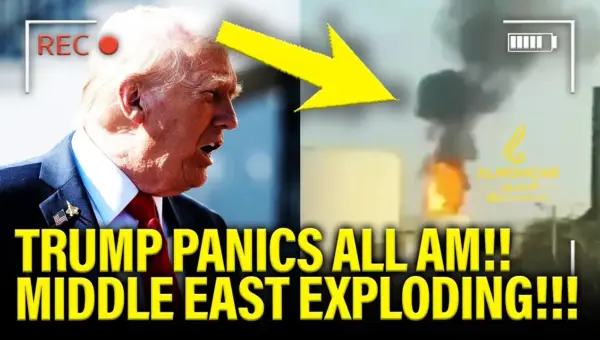
Iran Conflict Backfires: Trump’s War Fuels Unrest, Profits
Donald Trump's approach to Iran is reportedly backfiring, fueling public unrest in Tehran and sparking accusations of family members seeking to profit from a new drone company. The conflict's economic impact is evident with disruptions to oil infrastructure, while political rhetoric focuses on internal divisions.

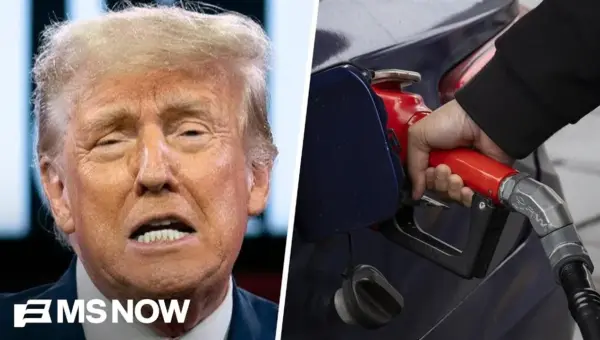
Gas Prices Surge: Americans Pay $200M More Daily Amidst Global Instability
Americans are now paying an additional $200 million daily for gasoline due to escalating global tensions and the closure of critical oil transit routes. The conflict's impact extends beyond fuel prices, affecting industries like agriculture and prompting significant financial aid requests from the government.


Iran Conflict: Military Success Masks Diplomatic Uncertainty
Retired General Barry McCaffrey assesses the remarkable military successes against Iran, including air dominance, but warns of significant diplomatic challenges ahead. The effectiveness of advanced technology in warfare is contrasted with the uncertain political endgame and potential for Iranian economic pressure and terrorism.