UK Foils Russian Sub Spy Mission North Atlantic
The UK, Norway, and allies have successfully deterred Russian submarine activity near critical undersea infrastructure in the North Atlantic. The UK is significantly boosting its defense spending and capabilities to counter growing Russian aggression, particularly in the high north.

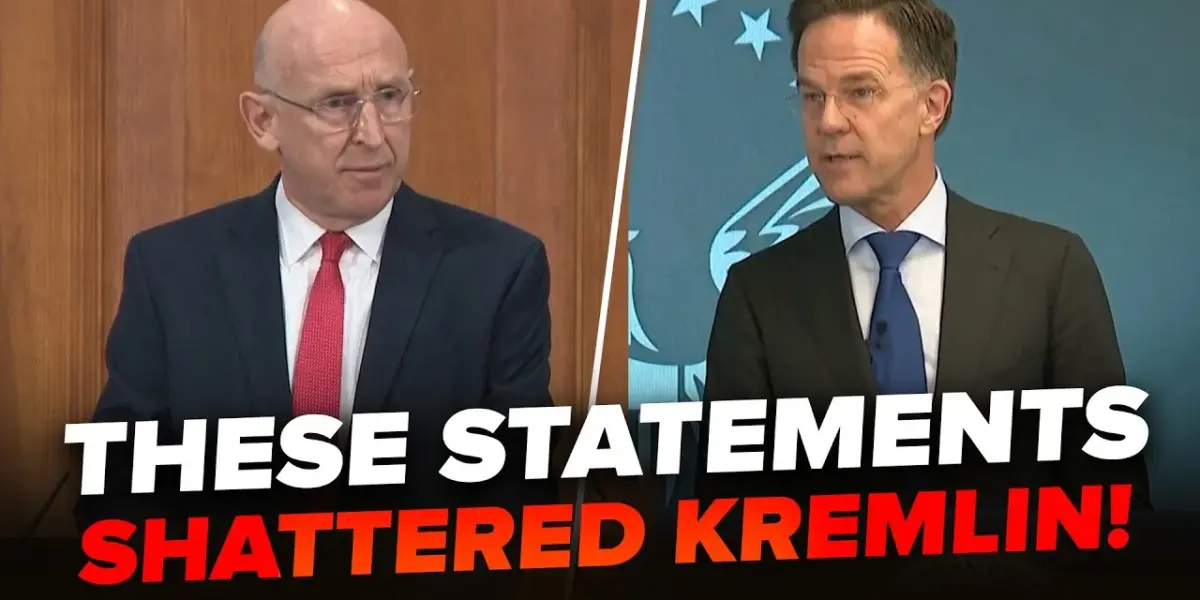
UK Navy Deters Russian Submarine Activity in North Atlantic
In recent weeks, the United Kingdom, along with Norway and other allies, has responded to increased Russian activity in the Atlantic Ocean, north of the UK. This operation focused on a Russian Akula-class attack submarine and two specialized submarines from Russia’s deep-sea research directorate, known as GooGi. These GooGi units, including the spy ship Yantar, have been directed by President Putin to conduct hybrid warfare. Their activities target critical undersea infrastructure like cables and pipelines.
The Royal Navy and Royal Air Force, supported by allies, deployed assets to track and deter these Russian vessels. A Royal Navy warship and Royal Air Force P8 aircraft monitored the submarines 24/7. The Akula submarine eventually retreated home under close surveillance. The two GooGi submarines were also monitored in and around UK waters. Their movements were exposed, showing that their planned covert operation had failed. After more than a month, these GooGi submarines have now left UK waters and returned north.
During this operation, allied aircraft flew over 450 hours, and a British frigate covered several thousand nautical miles. Around 500 British personnel were involved in the response. The UK is making this public to highlight Russia’s actions. The message to President Putin is clear: the UK sees these activities near its undersea cables and pipelines. Any attempt to damage them will not be tolerated and will result in serious consequences.
UK Boosts Undersea Defense Capabilities
The UK’s undersea network is designed to be resilient. However, the threats are growing. In response, the UK is increasing its efforts to defend this vital infrastructure. An additional 100 million pounds is being allocated to enhance the P8 submarine hunting aircraft. The nation has also launched the Atlantic Bastion program. This initiative will combine the latest autonomous technologies with advanced warships and aircraft. The goal is to create a British-built hybrid naval force.
Furthermore, the UK is undertaking the largest sustained increase in defense spending since the end of the Cold War. This move aims to reverse years of underfunding and neglect. A strategic defense review has confirmed that the UK faces growing Russian aggression across all domains. The high north region is deemed as vital to UK security as it was before the recent conflict in the Middle East erupted.
The UK’s commitment to tracking, exposing, and confronting the Russian threat remains absolute. This year, the UK will deploy its carrier group to the high north, where it is most needed. The UK is also leading NATO’s new mission, Arctic Century. These investments demonstrate a commitment to translating funding into necessary military capabilities.
Transatlantic Alliance Faces Profound Change
Conversations within the transatlantic alliance reveal a period of significant change. Allies acknowledge a shift from unhealthy codependence to a true partnership. Europe is taking on a greater and fairer share of conventional defense responsibilities. This marks a point of no return for the alliance.
Recent discussions have been frank and open. This direct communication is seen as positive, fostering understanding among allies. There is a sense of disappointment from some leaders that too many allies were not perceived as being fully supportive. However, it’s explained that the overwhelming majority of Europeans have acted as the US requested and as previously agreed.
While sometimes requiring time, European nations have come together to form coalitions. These efforts demonstrate a collective will to support security objectives. The alliance serves to protect European nations and also the United States. Russian nuclear submarines, for example, are seen as a threat to the US, and NATO’s role is to prevent them from reaching a position to attack.
Russia-Iran Cooperation Increases Global Threats
Cooperation between Russia and Iran is a growing concern. This partnership involves North Korea, China, and Belarus, working together in the context of the war in Ukraine. Specifically, Russia and Iran are collaborating on drone technology and other military advancements.
In return for military technology, Russia provides financial support to Iran. This funding is used by Iran to sow chaos in the Middle East through proxies and direct actions. Iran is also pursuing ballistic missile and nuclear capabilities. Missiles capable of reaching targets approximately 4,000 kilometers (2,500 miles) away have been observed, indicating Iran is close to operationalizing advanced technology.
The degradation of Iran’s nuclear and ballistic missile capabilities by the US is seen as crucial. The flow of technology from Russia to Iran, and money from Russia to Iran, is a significant factor in regional instability.
Source: 💥Britain couldn’t tolerate Putin’s antics! Hit back hard. NATO stunned Russia (YouTube)

Related Articles

Europe Builds Own Army as US Security Role Fades
European leaders are pushing to form their own army, frustrated by Donald Trump's stance on NATO and US security commitments. Spain and Ukraine are leading the charge, advocating for immediate action to build a common defense. This shift reflects a growing desire for European self-reliance in security matters.


Trump’s Iran War Fuels Inflation, Strains Alliances
Donald Trump's recent military actions in Iran are being blamed for a significant rise in U.S. inflation and increased gas prices, impacting consumer confidence. The conflict has also strained relationships with key international allies, leading to diplomatic friction and questions about the future of alliances like NATO.

NATO Allies ‘Exhausted’ by Trump’s Actions, Ex-Amb. Warns
Former U.S. Ambassador to Russia Michael McFaul states that NATO allies are "exhausted" by Donald Trump's unpredictable rhetoric and actions. European leaders, including those from Britain and France, are expressing frustration with Trump's inconsistent commitment to the alliance, fearing it weakens collective security.