UK Faces Terror Threat After US-Israel Iran Strikes
The UK faces a heightened risk of Iranian cyber and terror attacks following US-led strikes, warns former National Security Adviser Sir Mark Lyall Grant. Amidst escalating conflict and US service member deaths, Britain maintains a stance of non-involvement in offensive actions while defending allies.

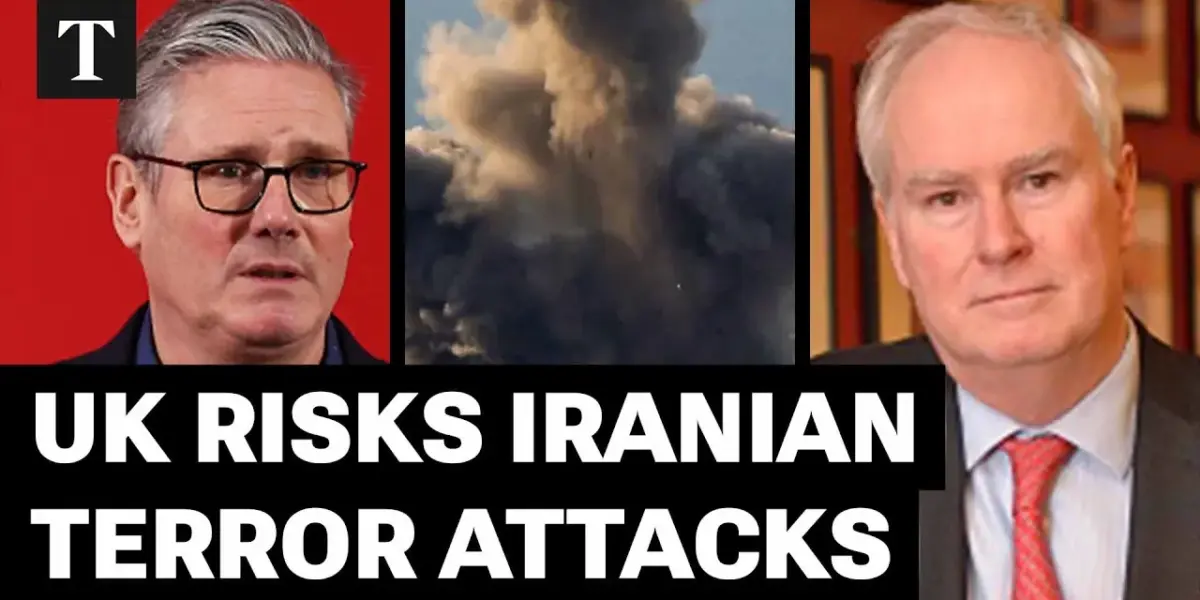
UK Faces Heightened Terror Threat Post-Iran Strikes
The United Kingdom is facing a significant risk of increased Iranian cyber and terrorist attacks in the medium term, following recent US-led strikes on Iran. This warning comes from former UK National Security Adviser Sir Mark Lyall Grant, who highlighted that approximately 20 Iran-linked terrorist plots within the UK have been foiled in the past year. He suggests that a severe blow to the Iranian regime could motivate individuals to seek revenge against those perceived as responsible, including the United Kingdom.
US Confirms Service Member Deaths Amidst Escalating Conflict
The US military has confirmed the deaths of two additional service members, bringing the total casualties to six in the escalating conflict involving Iran. This news emerged shortly after the Iranian military announced the closure of the Strait of Hormuz, a critical global oil shipping route. US Secretary of State Marco Rubio defended the proactive US stance, stating that the administration acted defensively to prevent greater harm. “The imminent threat was that we knew that if Iran was attacked, and we believe they would be attacked, that they would immediately come after us,” Rubio explained, asserting that a preemptive defensive action was necessary to avoid higher casualties.
British Prime Minister Prioritizes National Interest Over Offensive Action
In stark contrast to the US approach, British Prime Minister addressed the House of Commons, emphasizing that the decision not to participate in the initial offensive strikes on Iran was in Britain’s national interest. “We were not involved in the initial strikes on Iran and we will not join offensive action now,” he stated. However, he affirmed the UK’s commitment to protecting its citizens and allies in the region against Iranian missile and drone attacks, framing it as a duty to the British people and an act of collective self-defense. The Prime Minister also acknowledged President Trump’s disagreement with the UK’s non-involvement but maintained his responsibility to “judge what is in Britain’s national interest.”
Israel Positioned as Primary Beneficiary of Recent Events
Sir Mark Lyall Grant characterized the recent events as a “win-win situation for Israel,” while describing it as a “win-loss” for the United States and a “lose-lose” for the Iranian people and Gulf States. He posited that Israel, which has historically opposed any potential deal between the US and Iran regarding its nuclear program, stands to gain regardless of the outcome. “Whatever the outcome is, whether that is some regime change to a sort of more democratic western facing Iranian government, perhaps not very likely, or it’s a survival of the regime after the death of the supreme leader, or it’s chaos and civil war in Iran, also possible,” Grant explained. “In the meantime, Iran’s military capability, its navy, its missile capability, its nuclear capability, its drone capability will have been very seriously degraded.”
Strait of Hormuz Closure: Iran’s Economic Weapon
The closure of the Strait of Hormuz by Iran represents a significant economic threat, particularly to Gulf States and China, both of which rely heavily on oil shipments through the waterway. While the US is largely insulated due to its energy self-sufficiency, the UK faces direct economic consequences. “We take quite a lot of liquefied natural gas from Qatar that can’t now go through the straits of Hormuz,” noted Grant, highlighting potential impacts on the British economy through increased energy prices if the conflict persists. “It is the sort of if you like without having nuclear weapons this is the nuclear weapon that Iran does have which is closing the streets to form.”
UK’s Shifting Stance on Base Usage
Initially, the UK government under Prime Minister Starmer decided against allowing British bases to be used for US long-range bombers targeting Iran. This decision was based on concerns about legality under international law at a time of ongoing negotiations and uncertainty about the US administration’s ultimate objectives. However, this calculus shifted dramatically after Iran’s retaliatory attacks on Gulf countries, threatening UK servicemen and a sovereign base in Cyprus. In this new context, allowing the use of British bases for collective defense against Iran’s missile and nuclear capabilities became a more straightforward political and legal decision.
Immediate Concerns and Medium-Term Threats for the UK
The immediate concern for the UK involves the safety of its military personnel, civilians, and tourists in the Middle East, prompting a consular evacuation effort. However, Sir Mark Lyall Grant reiterated that the most significant medium-term threat stems from potential Iranian cyber and terrorist activities within the UK. “We know from the government’s what they’ve said publicly that about 20 uh terrorist plots in the United Kingdom linked to Iran have been foiled over the last 12 months,” he stated. While acknowledging the government’s awareness and mitigation efforts, he emphasized that the risk, though not necessarily hugely increased, is a serious consideration for national security.
Source: UK Risks Increased Iranian Terror Attacks After US-Israel Strikes | Sir Mark Lyall Grant (YouTube)

Related Articles
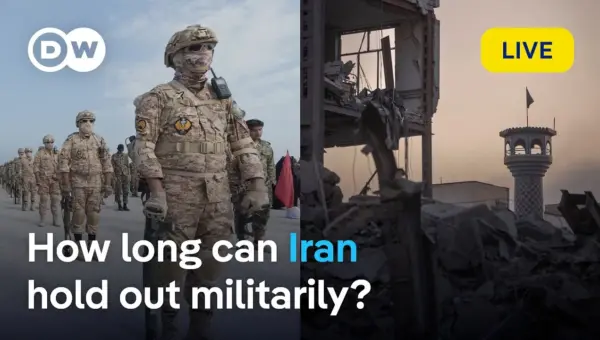
Iran’s Military Endurance Tested Amidst US-Israeli Conflict
DW News examines Iran's military endurance amidst the US-Israeli conflict, analyzing its strategic capabilities, economic pressures from sanctions, and the role of regional proxies. The discussion highlights the complex factors determining Iran's resilience in a protracted confrontation.

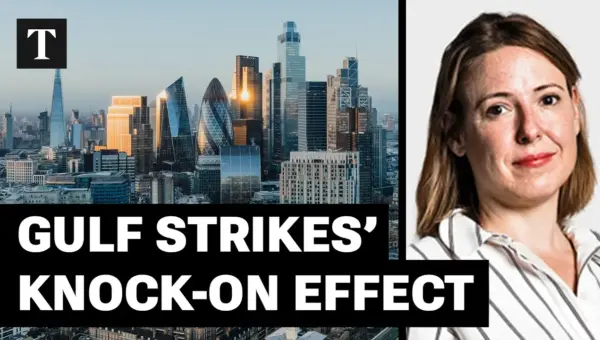
Iran Strikes Gulf States, London Insurance Market Faces Crisis
Iran's escalating strikes on Gulf states, including a major hit on a Saudi oil refinery, have sent oil prices soaring and triggered a severe crisis in London's insurance market. The geopolitical turmoil is raising questions about the shifting justifications for U.S. military actions and the complex internal dynamics within Iran.

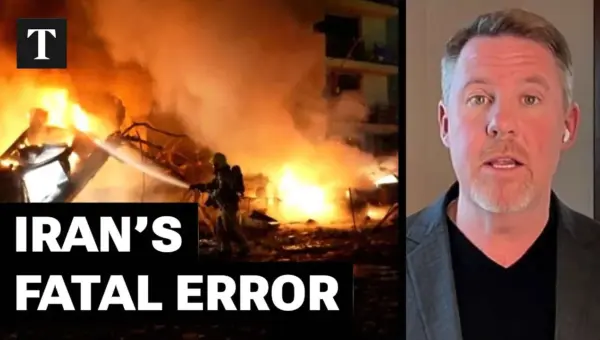
Iran’s Drone Strikes: A Strategic Blunder Pushing Allies Closer to Conflict
Iran's recent drone strikes on civilian targets in the UAE have been deemed a strategic error, pushing reluctant allies closer to direct military engagement. Former U.S. official Mick Mulroy explains how these actions have shifted regional dynamics, while journalist Suzanne Kample discusses the complex situation and mixed reactions within Iran.