UK Eyes Closer EU Ties Amid Economic Headwinds
As the UK grapples with economic headwinds and geopolitical instability, calls for closer ties with the European Union are gaining traction. Shadow Chancellor Rachel Reeves advocates for a more aligned approach to boost growth, while acknowledging the political tightrope involved in navigating 'red lines' on freedom of movement and budget contributions. Meanwhile, rising energy costs and a flatlining economy present immediate challenges.

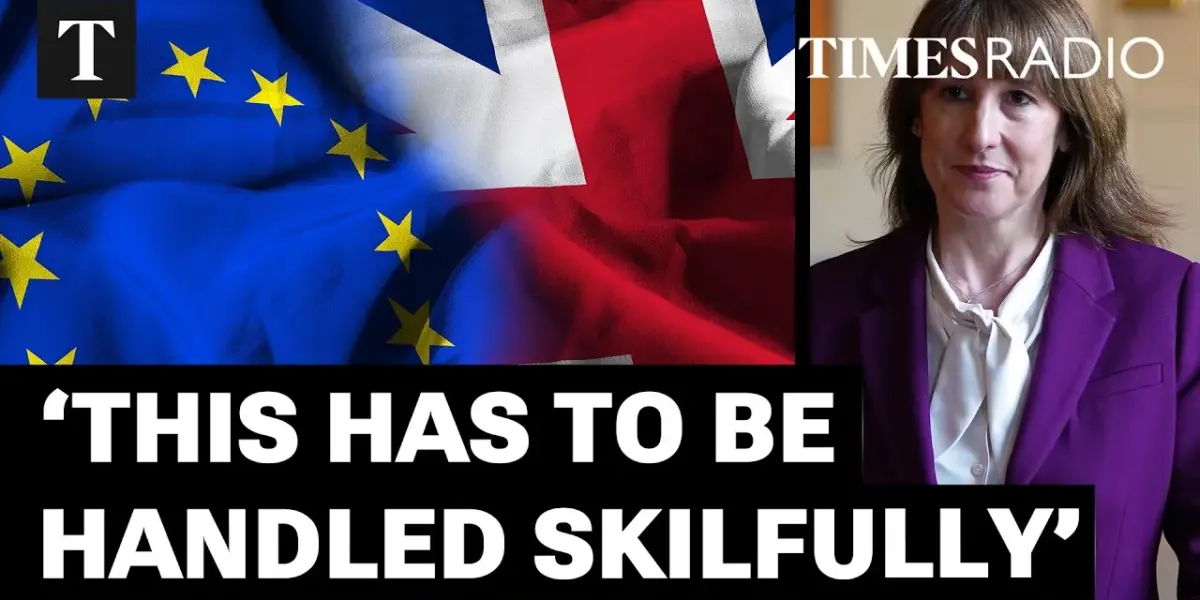
Labour Eyes Strategic Rapprochement with EU for Economic Gain
The United Kingdom is navigating a delicate phase in its relationship with the European Union, with key political figures advocating for closer ties to bolster the national economy. Shadow Chancellor Rachel Reeves has signaled a willingness to move beyond the current post-Brexit arrangements, suggesting that a more aligned approach with the EU’s single market could be beneficial for growth and price stability. This potential shift, however, is being approached with caution, acknowledging the political sensitivities and the need for skillful management to avoid unintended consequences.
Brexit’s Lingering Economic Impact and the Search for Growth
Speaking on the economic fallout of Brexit, Shadow Chancellor Rachel Reeves has been vocal, stating that the departure from the EU has not been conducive to the UK’s economic health. She plans to articulate this view in an upcoming speech at the annual Maze lecture in the City of London. Reeves’s argument posits that the current political and economic landscape in the UK, eight years after the 2016 referendum, is significantly different, and that a majority of voters, including some who supported Brexit, feel the delivery of the policy has been subpar. This sentiment creates political space for Labour to advocate for closer alignment with the EU, a move that resonates with the party’s base and could consolidate support in a fragmented voting environment.
The economic rationale for closer ties is also compelling. With domestic growth proving challenging to stimulate, smoothing trade frictions with the UK’s largest trading partner, the EU, presents a significant opportunity. This aligns with the broader growth strategy that the government, and by extension the Labour party, is keen to pursue. The rejoining of the Arasmus student exchange program, a move broadly welcomed, is seen as a step in this direction, despite the associated costs. James Nation, managing director at Forefront and a former deputy head of the Prime Minister’s policy unit, highlighted the political and economic imperatives driving this conversation.
“There’s definitely some political space for what she’s saying. You know, I think when the British public are pled, we’re not quite in sort of regret territory, but I think we are definitely that a majority of voters, even lead voters, feel that the delivery of Brexit so far hasn’t been great.”
Navigating the ‘Red Lines’: Freedom of Movement and Budget Contributions
The path towards closer EU alignment is fraught with challenges, primarily revolving around the UK’s established ‘red lines’ and the EU’s negotiating stance. While initiatives like the Arasmus program, a potential veterinary services deal to ease food export red tape, and alignment with the EU’s electricity market and carbon pricing are being explored, moving beyond these areas presents significant hurdles. Brussels is likely to demand greater freedom of movement for EU citizens and direct financial contributions to the EU budget in return for deeper market access.
This is where the need for ‘skilful handling’ becomes paramount, as noted by James Nation. The risk is that any perceived ‘softening’ on Brexit could be exploited by figures like Nigel Farage, who champion a more uncompromising form of Brexit. Labour’s strategy appears to be a calculated balancing act: pushing for alignment sector by sector to gain economic benefits without crossing the fundamental red lines of rejoining the single market, the customs union, or embracing full-scale freedom of movement. The party is banking on public fatigue with the Brexit debate and the tangible economic advantages outweighing the concerns of staunch Brexiteers who might view any closer alignment as a slippery slope towards diminished sovereignty.
“I think this has to be handled skillfully because as I was saying, I think if you fall into the trap of it’s a return of full-scale freedom of movement or we are paying directly into the EU budget. I think there could be some risks there and there could be something in a clever way for Nigel Farage and others to try and exploit.”
Economic Turmoil: The Impact of Geopolitical Crises on UK Households
Beyond the EU relationship, the UK economy is facing significant pressure from escalating global geopolitical tensions, particularly the conflict in Iran. The resulting surge in oil prices and potential disruptions to energy markets are raising concerns about a resurgence of the cost-of-living crisis experienced in 2022. The Bank of England is expected to hold interest rates steady in its upcoming decision, opting to observe the duration and impact of the current supply shock rather than immediately adjusting monetary policy.
The rising cost of fuel, fertilizer, and food is a direct consequence of the geopolitical instability, reminiscent of the pressures seen when Russia invaded Ukraine. The government is contemplating measures to mitigate the impact on households, potentially including adjustments to fuel duty. However, the scale of potential intervention is constrained by the UK’s public finances, which are not in a robust state. Unlike the broad universal price guarantees seen previously, which were astronomically expensive, the focus is shifting towards more targeted support for vulnerable households. The government’s toolkit, as revealed by the Chancellor, suggests a strategy of one-off payments, hoping that subdued demand will help stabilize prices through the summer and into the winter.
Energy Security and Sanctions Policy: A Tightrope Walk
The debate over energy security and the UK’s stance on sanctions against Russia is becoming increasingly complex. While there are suggestions from figures like Donald Trump alluding to easing sanctions to allow Russia to sell oil more freely, the UK is maintaining its position. The government’s policy is to remain aligned with European allies on sanctions, emphasizing the importance of holding the line against Russian aggression. Any shift in EU sanctions policy would be closely monitored, but the UK’s current stance is to resist any moves that could reintegrate Russia into the international oil system.
On the domestic front, there’s a growing call for increased household resilience and a reduced reliance on government intervention for every crisis. However, with significant elections on the horizon and the potential for substantial increases in energy price caps, the government faces pressure to provide support. The economic backdrop, characterized by high borrowing costs and a sluggish economy, complicates these decisions. Figures released last week indicated that the UK economy flatlined in January, a disappointing performance that underscores the long-standing and near-term economic challenges the country faces, including persistent issues with youth unemployment.
Looking Ahead: Economic Resilience and EU Diplomacy
The coming months will be critical for the UK as it seeks to balance the immediate economic pressures stemming from global events with its longer-term strategy for national growth and international relations. The government’s approach to energy support, its continued diplomatic engagement with the EU regarding closer economic ties, and its steadfastness on international sanctions will all be closely watched. The ability to navigate these complex issues skillfully, while managing domestic political sensitivities, will determine the UK’s economic trajectory and its standing on the global stage.
Source: Mending EU-UK Relations Requires Skilful Handling To Prevent Bolstering Reform | James Nation (YouTube)

Related Articles

Markets Tumble Amid Iran Tensions and Shutdown Gridlock
Wall Street experienced a significant slide today, with the Dow and Nasdaq entering correction territory, driven by escalating tensions with Iran and market uncertainty. Meanwhile, a government shutdown continues to cause chaos at airports nationwide, leaving thousands of workers unpaid and travelers facing long delays. The global energy supply is also under pressure, impacting prices and availability worldwide.

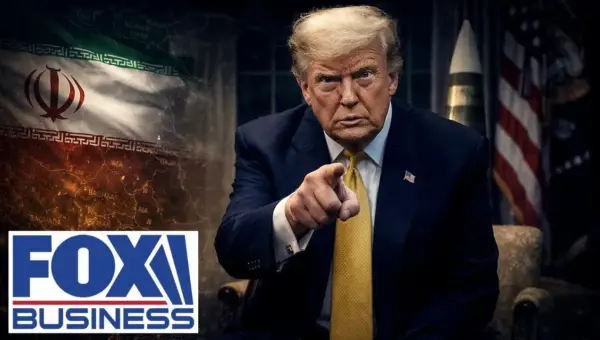
Iran Talks Gain 10 Days, But Markets Remain Skeptical
Iran has secured a 10-day extension for negotiations, but financial markets remain unconvinced, showing little reaction to the news. Rising energy and borrowing costs, coupled with geopolitical tensions, continue to pressure global markets and consumer spending.
Iran Tensions Rise as Trump Delays Strike Threat
President Trump has extended a deadline for potential strikes on Iran's energy facilities, citing good negotiations. Meanwhile, rising oil prices and market drops underscore global economic concerns. Domestically, a dispute over TSA worker pay adds another layer of complexity.