UK Defense Spending Sparks Debate Amid Global Tensions
The UK faces a dual challenge: rising anti-semitism following an attack on a Jewish ambulance service and a critical debate over defense spending. Meanwhile, diplomatic efforts between the US and Iran remain fraught with skepticism over reported progress.

Community Ambulance Attacked, Anti-Semitism Concerns Rise
A Jewish community ambulance service in the UK, Hatzola, has been the target of a recent attack. Gas canisters exploded, and windows were shattered, forcing the evacuation of over 30 residents. The incident has amplified anxieties about rising anti-semitism in the country, with concerns that Jewish people are being wrongly equated with the Israeli government’s actions in the Middle East.
Hatzola, established in the 1960s in New York, provides emergency medical services to all community members, regardless of their background. Volunteers have assisted during major events like 9/11 and the COVID-19 vaccine rollout. The organization serves a diverse area including Golders Green, Finchley, and Mill Hill, highlighting multiculturalism at its best.
Speakers noted that while the political community has condemned the attack, there’s a need for a more open discussion about the underlying issues. One perspective suggested that the conduct of the Israeli government, though not the fault of British Jews, is exacerbating anti-semitic sentiment, particularly among young people. Another point raised was the role of Islamist groups in radicalizing individuals, suggesting that this aspect is sometimes downplayed by the government.
“If we value religious freedom and the rights of other minority communities such as the Jews to be able to practice their religion freely in public and not feel afraid, we should be supporting the right of the Muslim communities to do the same thing.”
The discussion also touched upon the balance between religious freedom and public safety, referencing debates around public prayer and demonstrations. Some chants used in protests were identified as anti-semitic, with potential global implications beyond the conflict in Israel and Gaza.
Iran-US Talks: Hopes, Skepticism, and Trump’s Claims
Amidst escalating global tensions, reports suggest that intermediaries have exchanged messages between the US and Iran, with the US proposing direct face-to-face negotiations. However, skepticism remains high regarding the extent of progress, particularly concerning claims made by Donald Trump about significant breakthroughs and Iran’s willingness to halt its nuclear enrichment program.
Greg Carstrom, Middle East correspondent for The Economist, expressed doubts about Trump’s assertions. “When Trump says that there’s been huge progress in negotiations and we’re close to resolving all of the outstanding issues between our two countries, that does not seem to be true,” Carstrom stated. He noted that a significant gap still exists between the two nations.
Pakistan has emerged as a potential mediator for these talks, given its decent relationship with both the US and Iran. Qatar is also considered, though past experiences have been frustrating. The Strait of Hormuz remains a key point of discussion, with concerns about Iran potentially controlling traffic through the vital waterway.
UK Defense Spending Under Scrutiny
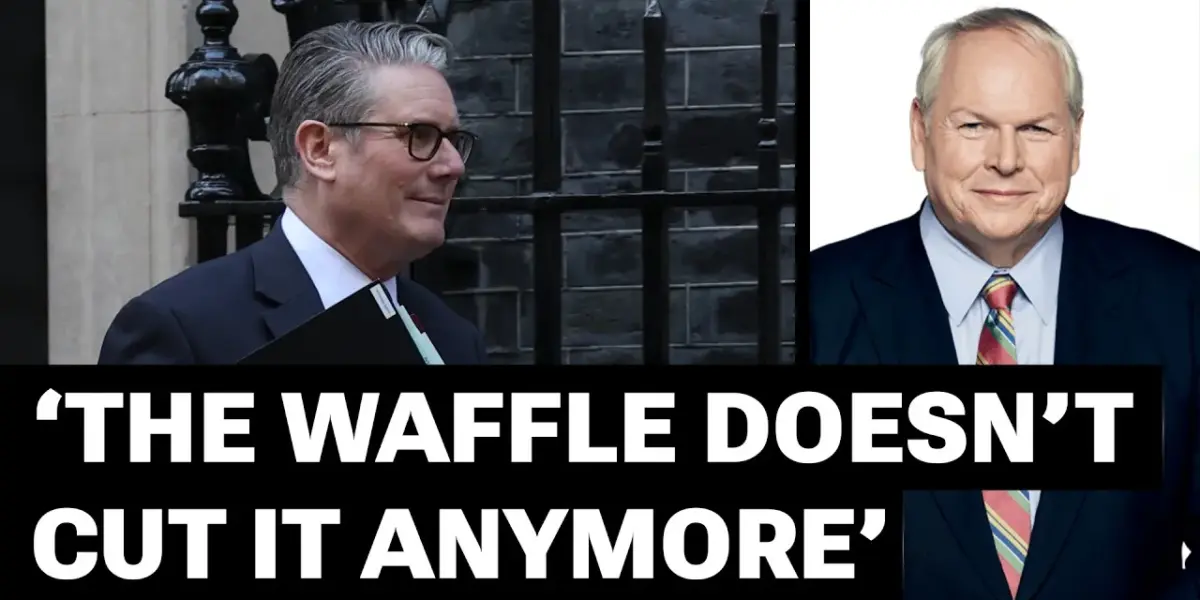
A significant debate is unfolding in Westminster regarding the state of UK defense spending. Senior Members of Parliament (MPs) have pressed the Prime Minister for clear answers on defense capabilities and investment, expressing dissatisfaction with what they perceive as evasive responses.
The chair of the defense committee and former chairman Bernard Jenkin were among those highlighting the need for increased defense spending. MPs referenced the post-Cold War era, suggesting that current spending levels are inadequate compared to historical highs during the Cold War, especially given the current geopolitical climate.
The discussion points to a potential cross-party consensus on the need for greater investment in defense, even as the government’s immediate focus remains on the cost of living crisis. The debate highlights a growing public and political awareness that national security might be compromised by underfunding, with symbolic events like the delayed deployment of HMS Dragon serving as a wake-up call.
It appears there is a growing consensus, particularly outside the front benches, that current defense and energy policies may not align with the country’s needs or public sentiment. The government is facing pressure to address these issues, with many questioning the lack of a clear plan for defense investment.
Source: Starmer’s “Significant” Committee Meeting | Adam Boulton (YouTube)

Related Articles
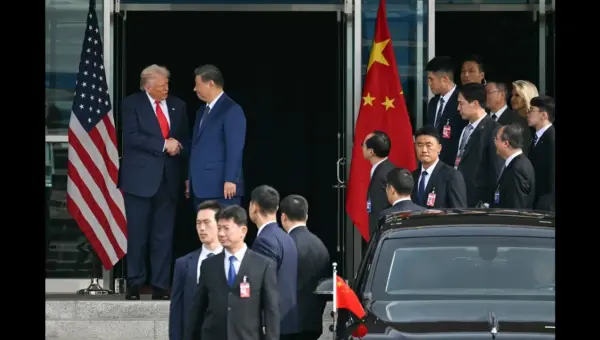
Trump’s “Walk Away” Tactic Signals Tougher Stance on China
Retired Air Force Brigadier General David Stillwell believes President Trump's strategy of being willing to walk away from negotiations puts pressure on China. This tactic, combined with US global actions and strengthened alliances, signals a more assertive American foreign policy.

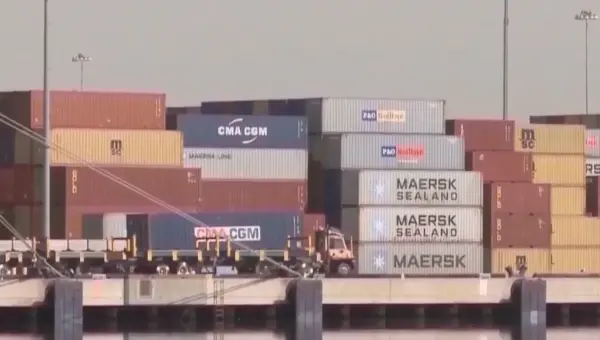
China Fights Back: Tariffs Loom Ahead of Trump Visit
China is retaliating against US trade investigations that could lead to higher tariffs. This escalating trade tension occurs just before a planned visit by President Trump. The dispute involves accusations of unfair practices and impacts global supply chains.


Israelis Forge Resilience Amidst Constant Bomb Shelter Drills
Life in Israel is a blend of resilience and constant vigilance, with many families adapting to frequent bomb shelter drills and even sleeping in makeshift shelters. Despite ongoing missile attacks, Israelis strive to maintain normalcy, though businesses face disruption and emotional fatigue is a growing concern.