UK Defense Minister Slams ‘Rubbish’ Government Readiness Claims
Former UK Defense Minister Lord Andrew Robathan has sharply criticized the government's claims of defense readiness, labeling them "complete rubbish." He highlighted a lack of promised funding and a delayed Defense Readiness Bill, arguing the UK is unprepared for war. The discussion also touched on global diplomatic unpredictability.

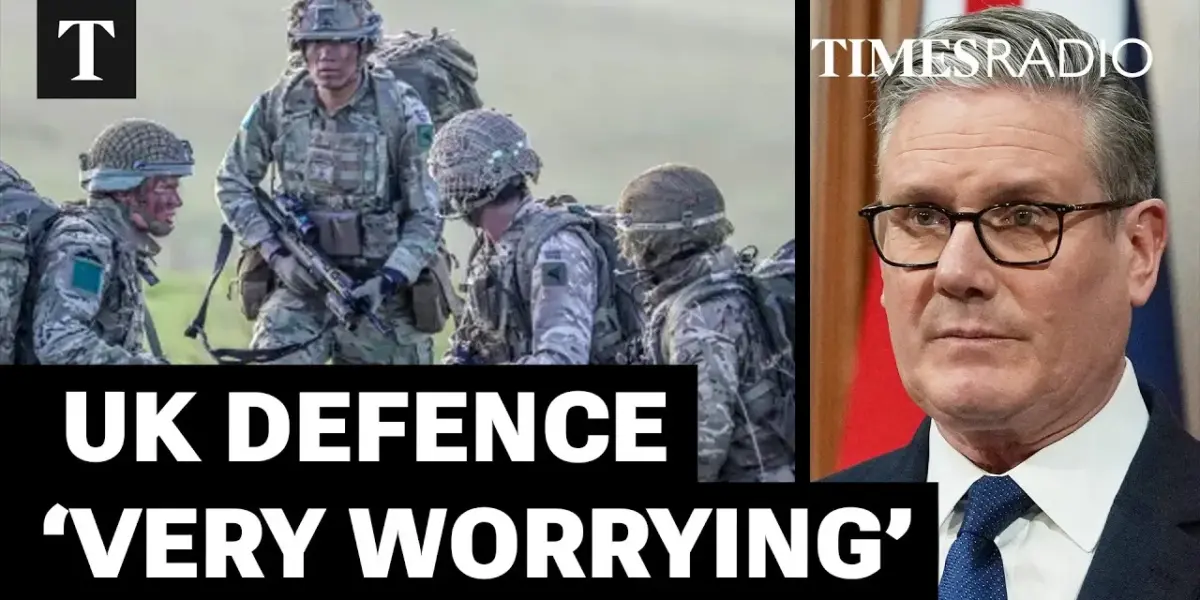
UK Defense Readiness Questioned Amidst Government Promises
Former UK Defense Minister, Lord Andrew Robathan, has strongly criticized the government’s claims about the nation’s defense readiness, calling them “complete rubbish.” Speaking on Times Radio, Robathan argued that despite promises of increased spending, no extra funds are being allocated to defense this year, a situation he believes should have been addressed last year. He stressed the urgent need for billions of pounds to be invested in the armed forces to ensure the country is prepared for potential conflicts.
Concerns Over Diplomatic Style and Global Stability
The discussion also touched upon the unpredictable and often vulgar diplomatic style of U.S. President Donald Trump. Timandra Harkness, a former comedian and commentator, noted that the real world has become increasingly difficult to satirize, as real events often mirror fictional or satirical scenarios. She described Trump as “professionally unpredictable,” a tactic that some believe could be a strategic advantage by making it difficult for adversaries like Iran to plan their next moves. However, Harkness also questioned the long-term effectiveness of such unpredictability, comparing it to a top football team being tripped up by a lower-league opponent due to unfamiliar tactics.
“The real world became harder and harder to satirize… the next week somebody would actually do it.” – Timandra Harkness
This unpredictable approach to foreign policy, particularly concerning Iran, carries immense stakes. The situation was described as a stark, black-and-white decision: either a ceasefire and peace plan, or widespread destruction. Harkness, however, pointed out that such high-stakes, potentially devastating conflicts are not entirely new, referencing the consequences of the 2003 Gulf War on Iraq. She suggested that what is new is the difficulty in understanding Trump’s motivations and predicting the outcomes.
Former Soldier’s Stark Warning on UK Preparedness
Lord Robathan, a distinguished former soldier with experience in the Middle East, echoed concerns about the casual discussion of war, especially from leaders who have not experienced it firsthand. He stated, “I would never glorify war because I’ve seen the results of war and they’re all pretty unpleasant actually.” He finds the current situation “very worrying,” particularly the government’s apparent lack of a clear defense strategy. Robathan highlighted that the promised Defense Readiness Bill, intended to put the UK’s infrastructure on a war footing, has been delayed, likely until next year. This delay, he argues, signifies a serious lapse in preparedness.
“Peddling Rubbish”: The Reality of Defense Spending
Robathan was particularly critical of the government’s messaging, stating, “They’re peddling rubbish. They’re peddling complete rubbish because we all know there is not going to be any extra spending this year.” He emphasized that the promised extra spending was due to happen this year, and ideally, should have started last year. The lack of significant investment is leading to personnel leaving the armed forces and deterring new recruits. Robathan believes this is a sad state of affairs for the country, especially when compared to the national resolve shown during the 1982 Falklands War, where the Royal Navy mobilized a large fleet rapidly.
Infrastructure and Recruitment Challenges
When asked about what infrastructure changes are needed for Britain to be capable of fighting a war, Robathan focused on more than just physical structures like bridges. He pointed to the long-term mistake of selling off defense equipment over the past 20-30 years and the reduction in the armed forces’ ability to respond. He also noted the decline in local defense arrangements, such as those in Leicester, attributing it to a lack of opportunities and investment, which makes joining the military unappealing. “It’s very sad for this country that people aren’t willing to go and fight for it,” he remarked.
Vulnerability on the European Stage
Lord Robathan directly addressed the UK’s vulnerability, stating unequivocally, “We are not ready for war.” He expressed concern that the UK is prioritizing welfare spending over defense, a balance he finds “ridiculous.” He argued that the primary responsibility of any government is the defense of the realm, a principle that needs to be restated and acted upon for both distant and nearby conflicts. He finds it “very depressing” that the country seems more focused on welfare increases than on strengthening its defense capabilities, especially given the current geopolitical climate in Europe, referencing areas like Estonia and the UK’s involvement in Ukraine.
Looking Ahead
The stark warnings from Lord Robathan underscore a critical debate about national security priorities. The delay in the Defense Readiness Bill and the perceived underfunding of the military raise serious questions about the UK’s ability to respond to modern threats. As international tensions remain high, the focus will likely remain on whether the government will commit the necessary resources and political will to bolster the nation’s defense capabilities before a crisis emerges.
Source: UK Not Ready For War As Ex Defence Minister Accuses Government Of ‘Peddling Complete Rubbish’ (YouTube)

Related Articles


Is Trump Unraveling? Calls Mount to Remove President
Concerns over President Donald Trump's mental stability are escalating, leading to widespread calls for invoking the 25th Amendment. Experts and political figures alike are questioning his fitness for office due to erratic statements and actions related to international conflicts. The situation raises serious questions about national security and presidential decision-making.


Gunfire Erupts Near White House; Terrorist’s Family Detained
Gunfire near the White House prompted a swift response from the Secret Service, with no injuries reported. The incident coincided with federal action against relatives of an Iranian terrorist, highlighting ongoing security concerns and immigration policy.

DOJ Faces Staffing Crisis Amid National Security Threats
The Department of Justice is facing critical staffing shortages, especially in its National Security Division, which has lost 40% of its prosecutors. These shortages occur as the U.S. confronts rising global threats from nations like Iran and China, impacting the DOJ's ability to pursue its agenda and protect national security. The situation highlights the challenges of maintaining effective law enforcement operations amidst leadership changes and resource depletion.