UK Defence Spending: Minister Grilled on Readiness
UK Armed Forces Minister Alastair Burt defended the nation's military capabilities amid global instability, addressing concerns over defence spending and readiness. He highlighted the UK's significant deterrent and global presence while acknowledging the need to accelerate investment to meet future threats.

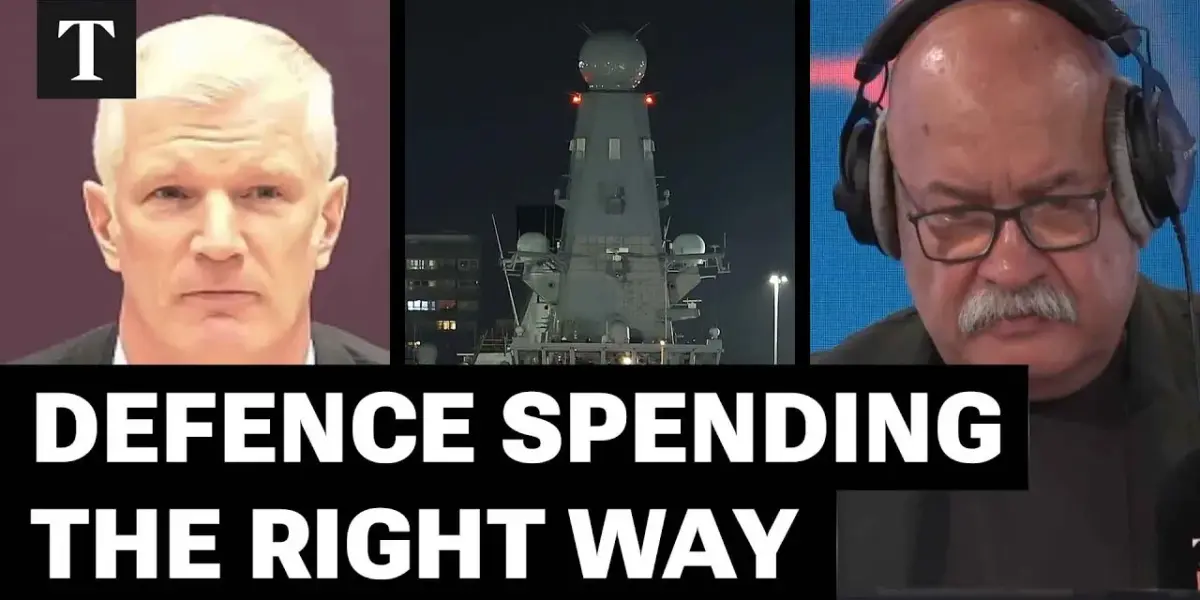
Minister Alastair Burt Defends UK Military Strength Amidst Geopolitical Instability
In a candid interview on BBC Radio, UK Armed Forces Minister Alastair Burt faced pointed questions regarding the nation’s defence spending, military capabilities, and preparedness for escalating global conflicts. The discussion, hosted by John Pienaar, delved into the dual pressures of the ongoing war in Ukraine and the burgeoning crisis in the Middle East, prompting a robust defence of Britain’s position on the world stage.
Ukraine Crisis and Shifting Global Landscape
The interview opened with a stark assessment of the situation in Ukraine, referencing concerns raised by a well-informed source in Kyiv about the potential depletion of crucial air defence weapons. Minister Burt acknowledged the immense strain placed on global resources and attention by concurrent conflicts, stating, “we now have one major conflict on the eastern edge of Europe and we have another crisis evolving in the Middle East which puts a significant strain on all sorts of systems whether it be attention all the way through to resources.” He emphasized the critical importance of maintaining focus on Ukraine amidst these competing demands.
Debating Britain’s “Major Power” Status
The conversation then pivoted to a critical assessment of Britain’s global standing, brought to the fore by comments from General Sir Richard Sheriff. The General suggested that recent events, particularly the conflict in Iran, had provided evidence that the UK could no longer genuinely consider itself a major power, labelling such a notion as “cloud cuckoo land.” Minister Burt countered this assertion by highlighting Britain’s significant defence capabilities, including its independent nuclear deterrent, a substantial troop presence in the High North, an operational carrier strike group, and assets deployed in the Middle East and the Pacific.
“We have a significant capability on a nuclear deterrent, one of only two in Europe, which means we still have a major capability… Combine that with, for example, we have 1500 marines in the high north. We have a car strike group preparing to sail to the high north. We have assets in the Middle East now in a defensive sort of linebacking.”
He further elaborated on the global reach of the Royal Navy, mentioning submarines in Australia and various offshore patrol vessels operating worldwide. “We have a significant defense presence and we have some of the best forces in the world,” Burt affirmed, expressing his confidence in the British armed forces.
The Push for Increased Defence Spending
A central theme of the interview was the minister’s personal stance on defence spending. Pienaar pressed Burt on his previous public statement advocating for an increase in defence spending to 3% of national earnings by 2029. Burt clarified his position, aligning it with the Prime Minister’s call for faster progress on defence investment made at the Munich Security Conference. He stressed the need for resources to be allocated effectively to address the evolving threats.
Drawing on his 24 years of military experience, Burt underscored the unprecedented geopolitical instability. He cited the daily casualties in Ukraine and the recent Iranian escalation, which involved multiple countries, as prime examples of the volatile global environment. “This from 24 years in the military. I’ve never seen a situation so geopolitically unstable,” he stated.
When directly asked if he believed the UK should accelerate its commitment to reaching 3% of national earnings by 2029, Burt was initially cautious, seeking to “get the right spending for defence.” However, under persistent questioning from Pienaar, who framed the query as whether he would be a “happy man and a happy minister to see the prime minister and the chancellor just announced quite clearly in words of one syllable, we are going to hit that target,” Burt responded positively, albeit with a focus on effective allocation.
“As an ex-military man, I’m always going to smile and sort of um agree to ensuring armed forces are funded correctly. What I would say, and I I go back to this point, I left the military because I was getting frustrated with resources, money going perhaps on equipment that was being proven not as effective as it once was because of the war in Ukraine. And I want to ensure that that resource is spent in the best possible manner to equip our armed forces to prepare for the threats of the future.”
He specifically mentioned the need for investment in uncrewed systems, mass production combined with sophisticated software, and fourth and fifth-generation capabilities, learning lessons from the effectiveness of weapons systems observed in current conflicts.
Concerns Over Stockpiles and Future Conflict
The discussion also addressed the UK’s ability to sustain prolonged conflicts, particularly concerning the stockpiles of air defence missiles and other essential munitions. Minister Burt expressed reservations about engaging in hypotheticals, emphasizing the unpredictable nature of warfare. He cited the rapid escalation in the Middle East as an example, where negotiations were followed by widespread missile attacks within days.
However, he reassured the public that highly skilled planners within the government and defence establishment were meticulously preparing for all eventualities to protect British interests and citizens. He reiterated his earlier assessment that Europe, including the UK, is working towards being prepared for potential conflicts within the next three to five years, aligning with the 2029 timeframe.
Burt highlighted the importance of a robust industrial base, stating, “industries, societies, and economies win wars.” He noted that the strategic defence review had placed significant emphasis on industrial capacity, recognizing the lessons learned from Ukraine and the need for collaborative efforts across Europe to bolster collective defence industrial capabilities.
Potential for UK Military Action
In the final segment, Pienaar raised the possibility of the UK taking direct military action against Iranian missile assets, following the US use of British bases for strikes. Minister Burt maintained his stance against ruling anything out, stating, “I’ve always said um I’m not interested in hypotheticals. What I can tell you is we’re not ruling anything out.” He reiterated that the unpredictable nature of conflicts means preparedness for any eventuality is paramount, assuring the British public that defence personnel and planners are working diligently to ensure readiness.
Source: John Pienaar Presses Al Carns On Defence Spending Stance (YouTube)

Related Articles

Russia’s Oil Price War Strategy Crumbles Amidst Global Instability
Russia's oil price war strategy is faltering as global market instability and targeted actions drive down its revenues. Disruptions in key shipping lanes and increased sanctions are forcing Moscow to offer steep discounts, while internal dissent grows. The economic pressure poses a significant threat to Vladimir Putin's regime.
UK Shifts Stance on Iran Strikes, Citing ‘Defensive’ Needs
The UK has shifted its military stance on the Iran conflict, now permitting the use of its bases for 'defensive purposes' after initially opposing offensive strikes. This adjustment follows Iran's retaliatory actions and aims to protect allies and interests in the region, while grappling with the legacy of past conflicts and the evolving nature of modern warfare.

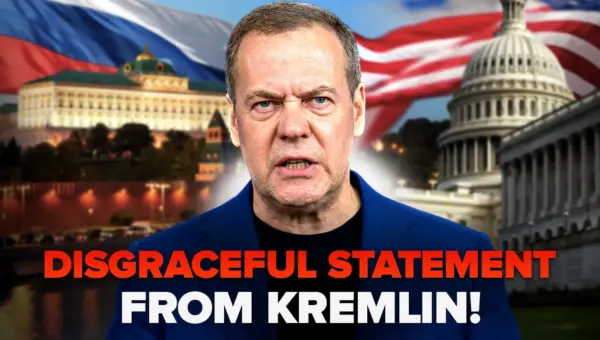
Russia Escalates Nuclear Threats, Rejects Peace Talks Amid Global Tensions
Russia has escalated its nuclear threats and declared peace talks with Ukraine are off the table, demanding military victory instead. As Moscow ramps up its aggressive rhetoric, Europe is preparing for potential conflict, with Poland and France discussing enhanced nuclear deterrence. Meanwhile, the U.S. is engaged in significant military operations in Iran, adding to a landscape of heightened global tensions.