UK Defence Crucial in Gulf Security Amid Iran Tensions
Qatar announced its armed forces successfully intercepted Iranian missile and drone attacks, highlighting ongoing regional instability. The UK's defense forces are playing a crucial role in protecting Gulf states like Qatar amidst these tensions. A key concern remains the reopening of the vital Strait of Hormuz.

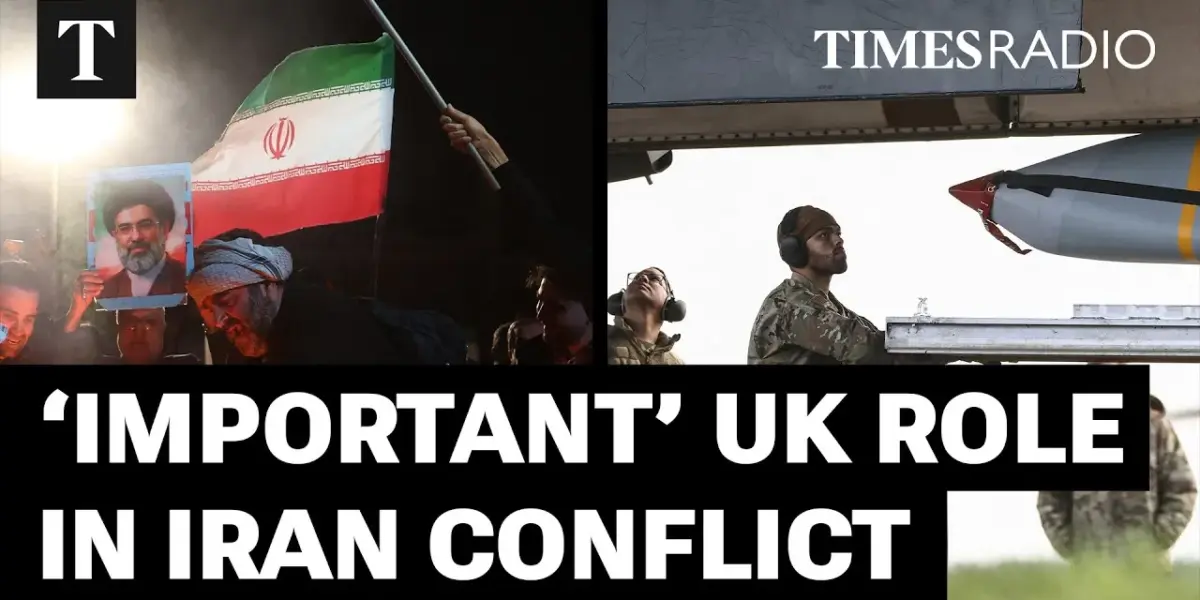
UK Defence Plays Key Role in Protecting Gulf States
DOHA, Qatar – In a significant development for regional security, Qatar announced today that its armed forces successfully intercepted seven ballistic missiles and a number of drones launched from Iran. This incident follows similar reported strikes by Iran on the United Arab Emirates (UAE) and Bahrain, occurring even after a ceasefire was intended to be in place.
The attacks highlight the ongoing instability in the Gulf region and underscore the critical role of international defense partnerships. Dr. Luciano Zakara, an associate professor in Gulf politics at Qatar University, spoke about the complex dynamics at play. He noted that while relations between Iran and Gulf nations have always been tense, recent actions by Iran suggest a breakdown in understanding.
Iran’s Actions and Regional Relations
Dr. Zakara explained that Iran appears to be using its territory to retaliate, viewing it as a useful tactic for its objectives. “It is a shame,” he stated, “because Iran is breaking all the bridges that they still had.” While Iran has long had strained relations with countries like Saudi Arabia and the UAE, its ties with Oman and Qatar were historically more friendly. These nations, particularly Oman, have played a role in improving relations between Iran and the international community.
However, Iran seems uninterested in maintaining these links. Dr. Zakara pointed out that Iran’s justification for its actions often involves the presence of American bases in the region, which it considers part of the problem and thus, part of the enemy. This situation is unlikely to change soon, as American bases are expected to remain, continuing to be a source of conflict between Iran and the Gulf Cooperation Council (GCC) states.
The Impact of the US-Iran Confrontation
The current conflict is seen by some as a predictable outcome of decisions made by the Trump administration. Dr. Zakara described the war as “the most avoidable and predicted war that we ever witnessed in the whole region.” He believes that the decision to push for the elimination of the Islamic Republic, a goal pursued for over 40 years, was a significant misstep. The administration, he suggests, acted without a clear plan or strategy, leading to a situation where Iran has emerged stronger.
A key development highlighted is Iran’s successful closure of the Strait of Hormuz. This action, which Iran had threatened for decades but never carried out, even during the Iran-Iraq war, was reportedly a response to being pushed to the limit by attacks. “Finally, they did it because they were pushed to the limit,” Dr. Zakara commented. This has given Iran a powerful bargaining chip to pressure Western countries.
Adding to the complexity, there are suggestions that Iran may begin charging ships up to $2 million to pass through the Strait of Hormuz. As part of a temporary ceasefire deal, the US has reportedly agreed to review tariffs and sanctions against Iran. This means Iran could be in a stronger position despite significant losses in lives, leadership, and military resources.
The UK’s Role in Gulf Defence
Amidst these tensions, the role of the British defence forces has been described as “very important” in protecting Gulf states. Dr. Zakara emphasized that the UK’s Typhoons are actively involved in intercepting some of the drones and missiles targeting Qatar. “The collaboration between the UK in the defense of not only Qatar but all the GCC is very important and is very appreciated,” he stated.
The UK appears to be maintaining a balanced approach by actively defending GCC states without engaging in offensive actions against Iran. This strategy, Dr. Zakara noted, has been working so far. The pressure, however, is reportedly coming from the US, which is concerned that European countries, including the UK, Canada, and China, are not doing enough to ensure the free flow of oil.
The closure of the Strait of Hormuz occurred precisely when the US and Israel launched their attacks. Dr. Zakara believes the most effective position for European countries, including the UK, is to remain firm in their refusal to be drawn into an offensive war. Instead, they should demand that Iranian authorities keep the Strait open. He suggested that this issue might be resolved independently of the larger US-Iran confrontation, possibly through an agreement between Oman and Iran, supported by GCC and other interested states.
Looking Ahead: The Strait of Hormuz
From Qatar’s perspective, the crucial factor is not just defense but also securing an agreement to reopen the Strait of Hormuz. The possibility of a separate deal to ensure the Strait remains open, regardless of the broader US-Iran situation, is seen as an urgent priority. The situation remains fluid, with ongoing diplomatic efforts to de-escalate tensions and ensure regional stability.
Key Takeaways:
- Qatar successfully intercepted Iranian missile and drone attacks.
- Iran’s actions have strained relations with Gulf nations, despite a ceasefire.
- The US-Iran confrontation and the role of American bases remain a source of conflict.
- The UK’s defence forces are playing a vital role in protecting Qatar and other GCC states.
- Ensuring the free passage through the Strait of Hormuz is a top priority for regional stability.
Source: British Defence Plays “Very Important” Role In Protecting Gulf States | Qatar Expert (YouTube)

Related Articles

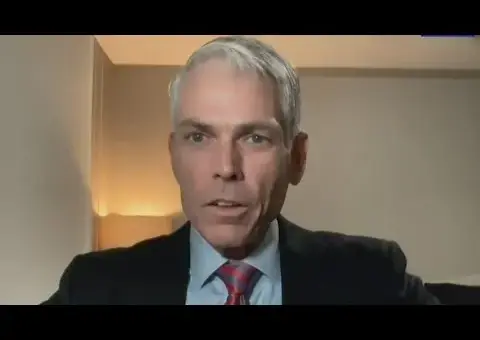
US Tightens Grip: Iran Strait Blockade Sparks Global Oil Fears
The U.S. is threatening to block Iranian ports, a move that could severely disrupt global oil supplies. This action tests international law and puts major economies like China and India at risk of inflation. The standoff signals a potential shift in global power dynamics.
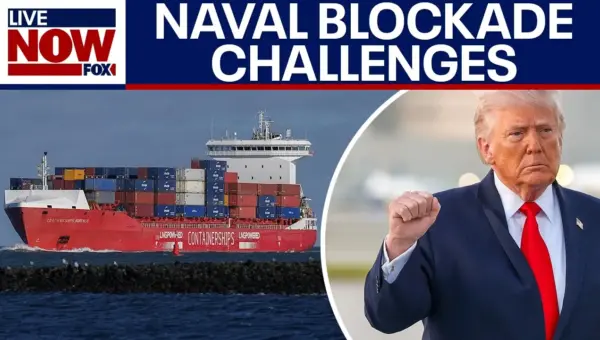
Trump Orders Iran Strait of Hormuz Blockade
President Trump has ordered an immediate U.S. Navy blockade of the Strait of Hormuz following failed negotiations with Iran. The move aims to halt all maritime traffic, but experts warn of significant risks, including potential confrontations with other nations and economic repercussions. The situation remains volatile as both sides may have used a recent ceasefire to resupply and prepare for further conflict.
US Navy Blockades Strait of Hormuz, Targets Iranian Tolls
The U.S. Navy has initiated a blockade of the Strait of Hormuz, targeting vessels paying Iranian transit tolls. This move aims to cut off Iranian revenue and follows failed diplomatic talks. The action carries significant geopolitical risks, particularly concerning potential Chinese involvement.