UK Cracks Down on AI Deepfake Porn with New Law
The UK has enacted strict new laws imposing prison sentences for the creation and distribution of deepfake pornography, a move aimed at protecting victims who have suffered severe emotional distress. The legislation also holds online platforms more accountable for hosting such content, addressing a problem previously met with limited legal recourse.

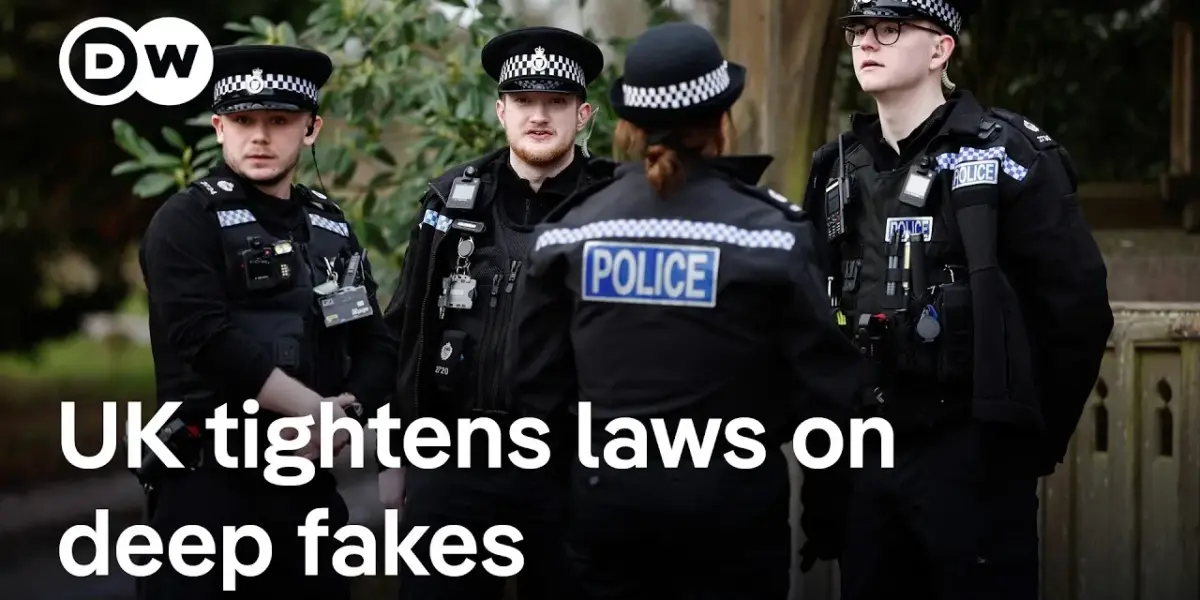
UK Enacts Strict Laws Against Deepfake Pornography
The United Kingdom has taken a significant step in combating the proliferation of AI-generated deepfake pornography, a growing online menace that disproportionately targets women and children. New legislation now imposes severe penalties, including lengthy prison sentences, for the creation and distribution of such non-consensual explicit imagery. This move comes as victims, like Sophie Parish, recount the devastating personal impact and the initial helplessness they felt when fake explicit images of themselves surfaced online.
The Devastating Reality for Victims
Sophie Parish described the profound shock and panic she experienced in 2022 upon discovering non-consensual explicit deepfake images of herself circulating online. “When you see those images, they look so realistic that the panic goes through your head as to like, will people believe it’s not me? What will people think of me?” she stated. The images were created by her brother-in-law, who used personal photos, including headshots from family events and social media posts, and superimposed them onto explicit body images. The aftermath included degrading and dehumanizing comments from online users, leaving Sophie deeply traumatized.
Sophie’s experience highlights the severe psychological toll deepfake abuse can inflict. Her initial attempts to seek recourse were met with indifference. “My response back that I got was something along the lines of, ‘It’s not a real person. It is a fantasy. Therefore, we have no obligation to take it down. It’s neither you nor the other person,'” she recalled regarding the platform’s initial reaction.
The Scale of the Deepfake Problem
Until recently, legal consequences for creating deepfakes in the UK were minimal, despite a rapid increase in their prevalence. Studies indicate that a staggering 98% of deepfake content is directed at women, and a significant majority of these are pornographic in nature. “Actually the primary use of it is to terrorize women and girls,” commented an expert, debunking the notion that deepfakes are primarily used for humor or satire.
New Legislation and Platform Accountability
In response to the escalating crisis, the British Parliament has passed stringent new laws. Under these regulations, individuals found to be creating or distributing deepfake pornography face potential imprisonment for several years. Mirroring measures in the European Union, the UK government is also directing regulatory authorities to scrutinize whether website operators and app developers are taking adequate steps to curb the spread of deepfake material.
Social media platform X, formerly Twitter, has been specifically named in these discussions. A spokesperson for the government stated, “Individuals are committing a criminal offense if they create or seek to create such content, including on X. And anyone who does this should expect to face the full extent of the law.”
“But the responsibilities do not just lie with individuals for their own behavior. The platforms that host such material must be held accountable, including X. If someone was walking down the street and a man came and took off the clothes of a child or of a woman, that person would face very severe consequences… That just does not happen online. We’ve normalized just because it’s happening through a technology platform, but the harm is just as real.”
Support for Victims and the Role of Tech Companies
Organizations like Hera Hussein’s are providing crucial support to victims whose lives have been upended by deepfake attacks. Sophie Parish, after years of struggling with shame, has seen her abuser face justice; he is now imprisoned, with authorities also discovering child pornography in his possession. However, Sophie emphasizes the need for greater responsibility from tech companies in preventing the creation of such content.
“We need to stop it where it’s being created, which falls with tech companies. That’s that’s where we need to push now. It needs to be illegal for them to create these nudying apps or the ability for an AI image to be generated where they are taking clothes off people,” she urged.
Challenges Ahead: Enforcement and Prevention
While platforms like X are now employing AI tools to detect and remove deepfake pornography, success remains partial. The inherent difficulty in tracking the spread of such content, as Sophie fears her images may still be circulating undetected across various online spaces, underscores the ongoing challenges in completely eradicating the problem. The effectiveness of the new laws will depend on robust enforcement and continued collaboration between lawmakers, tech companies, and support organizations.
Source: How the United Kingdom is trying to fight back against deep fakes | DW News (YouTube)

Related Articles


India Teen Triple Suicide: Online Dangers and Parental Concerns
Three teenage sisters in Ghaziabad, India, have died by suicide, prompting an investigation into online content exposure, addiction, and digital isolation. The tragedy highlights parental concerns and expert advice on navigating adolescent digital lives.


MH17 Journalist: ‘I Knew Who Did It’ – Russia’s Lies Exposed
Italian war correspondent Lorenzo Cremani shares his harrowing firsthand account of the MH17 crash site and a Russian soldier's confession that exposed Moscow's role. Cremani details Russia's subsequent disinformation campaign and draws parallels to current geopolitical strategies.

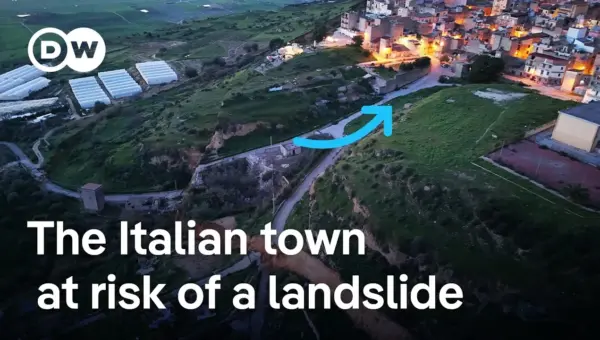
Sicily Landslide: 1,500 Flee Town on Hill’s Edge
Over 1,500 residents of Niscemi, Sicily, were forced to evacuate their homes on January 25th, 2026, after a significant landslide threatened the town. Decades of allocated funding for preventative measures failed to materialize due to bureaucratic delays and a lack of planning, leaving the community vulnerable to recurring geological threats.