UK Closes Iran Embassy Amid Heightened US-Iran Tensions
The UK has temporarily closed its embassy in Tehran and withdrawn staff due to escalating security concerns amid heightened US-Iran tensions. Former ambassador Sir Richard Dalton called the move a 'wise precaution,' while assessing the low likelihood of imminent U.S. military strike despite ongoing pressure.

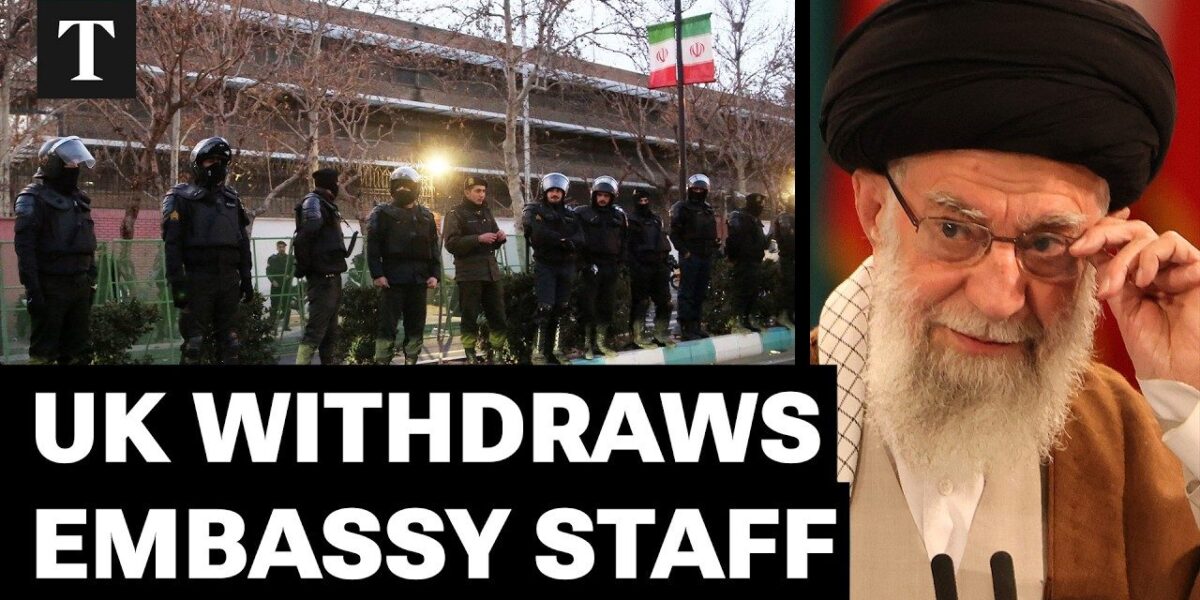
UK Embassy in Tehran Temporarily Closed, Staff Withdrawn
London, UK – The United Kingdom has temporarily closed its embassy in Tehran and withdrawn all diplomatic staff, citing escalating security concerns amid heightened tensions between the United States and Iran. The Foreign Office described the move as a ‘wise precaution’ taken in response to the volatile regional security situation.
Expert Analysis: A Precautionary Measure Amidst Growing Instability
Sir Richard Dalton, former British ambassador to Iran, characterized the embassy closure as a prudent step. Speaking on the matter, Dalton stated, “It’s a wise precaution.” He drew parallels to the U.S. State Department’s advisory for its citizens to consider leaving Israel, suggesting the UK’s action is a response to perceived risks rather than an indicator of the success or failure of ongoing diplomatic talks.
Dalton highlighted the historical context of the British embassy in Tehran, noting from personal experience that it has often been a focal point for popular anger directed at the United States. Given that the U.S. has no diplomatic facilities in Tehran, the UK embassy, as a perceived close ally, can become a symbolic target. “Britain is perceived as the closest ally of the United States,” Dalton explained, underscoring why such a precautionary withdrawal might be deemed necessary.
Assessing the Likelihood of Military Conflict
The question of potential U.S. military action against Iran remains a significant concern. While recent reports and U.S. military buildups in the Middle East have fueled speculation, Sir Richard Dalton offered a nuanced perspective on the ongoing negotiations and the possibility of conflict.
Diplomatic Talks: Constructive, Despite Challenges
Contrasting with some perceptions, Dalton indicated that the talks between Iran and the U.S., facilitated by an Omani mediator, have been constructive. “According to the Omani mediator, they have been constructive with both sides willing to consider ideas to narrow gaps which they had not considered before,” he reported. He cautioned against the expectation that such complex issues could be resolved in a short timeframe, stating, “And the idea that it can be fixed with a few hours of talks is erroneous.”
No Grounds for Attack, But Pressure Tactics Possible
Dalton firmly asserted that there are currently no grounds for the United States to attack Iran. He suggested that any saber-rattling by the U.S. could stem from either a genuine intention to attack or a strategy to exert pressure on Iran for concessions. “And we don’t know which of those theories is correct,” he admitted, adding that it remains unclear whether Iran is amenable to further concessions or if the U.S. is negotiating in good faith. “I mean that question has to be put because it’s obvious to all observers of the negotiations over decades that there is room for a compromise which would ensure the American objective that Iran will never have nuclear weapons,” Dalton stated. He also critiqued the current U.S. demands, calling them “unnecessarily harsh.”
Human Rights in the Balance?
The role of human rights in the ongoing diplomatic discussions was also addressed. While acknowledging that the U.S. focus appears to be primarily on Iran’s nuclear program, Dalton suggested that the political backdrop, which includes human rights issues, could factor into President Trump’s decision-making calculus regarding the use of force.
“It would be, if they were to use military force, an unlawful aggression. It would probably not achieve regime change. It would not achieve an additional bout of concessions from Iran. And it would cause great destruction and great loss of life against a background of course which we know full well that the Americans do war in the Middle East extremely badly.”
Sir Richard Dalton, former British ambassador to Iran
He pointed to historical U.S. military interventions and their outcomes in the Middle East, citing Iraq, U.S. endorsement of Saudi actions in Yemen, and Israeli actions in Gaza, as examples of “appalling” results. Dalton concluded that analysts warning of a potentially “ghastly end to a war in the Middle East” are justified in their concerns.
Looking Ahead: Diplomacy Under Strain
The temporary closure of the British embassy underscores the precariousness of the current situation in the Middle East. As diplomatic channels remain open but fraught with tension, the international community will be closely monitoring the progress of negotiations and the potential for miscalculation. The coming weeks will be critical in determining whether dialogue can de-escalate the situation or if regional instability will continue to rise, potentially leading to further diplomatic withdrawals and increased risk of conflict.
Source: UK Closes Iran Embassy And Withdraws Staff: ‘A Wise Precaution’ (YouTube)

Related Articles

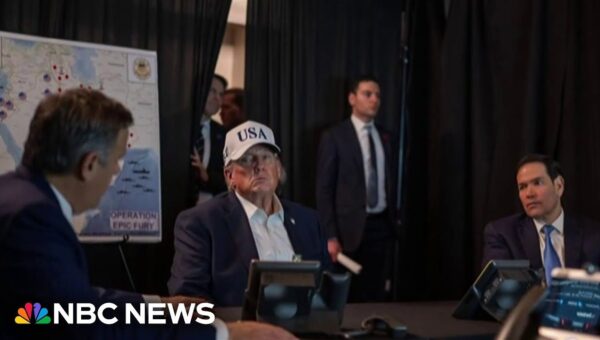
Trump: Iran Strikes Ahead of Schedule, Expects ‘Great Deal for World’
Three U.S. service members have been killed amid escalating conflict with Iran, President Trump confirmed. He stated that strikes are ahead of schedule, with senior Iranian leaders killed, and expressed optimism for a "great deal for the world" despite ongoing talks with Iranian officials.
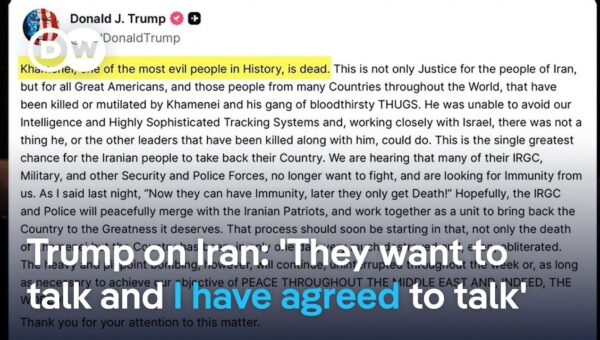
Trump Agrees to Talks with Iran After Major Strikes
President Donald Trump has agreed to talks with Iran's leadership following coordinated strikes that reportedly killed key figures, including the Supreme Leader. While Trump claims significant military successes, U.S. strategy remains unclear, and public opinion shows limited support for the actions amid rising American casualties.

Iran Rejects Trump Ceasefire Offer Amid Escalating Regional Conflict
Iran has rejected a ceasefire offer from the Trump administration, escalating regional tensions and leading to U.S. casualties. The conflict, dubbed 'Operation Epic Fury,' has seen Iranian retaliatory strikes across the Middle East and disruption in the Strait of Hormuz.