UK Charity Network Linked to Iran Faces Extremism Probe
A new report by Lord Walney identifies over 30 UK organizations allegedly linked to Iran, acting as 'soft power hubs.' The report raises concerns about insufficient scrutiny and potential links to the IRGC, prompting a review of the Charity Commission's powers.

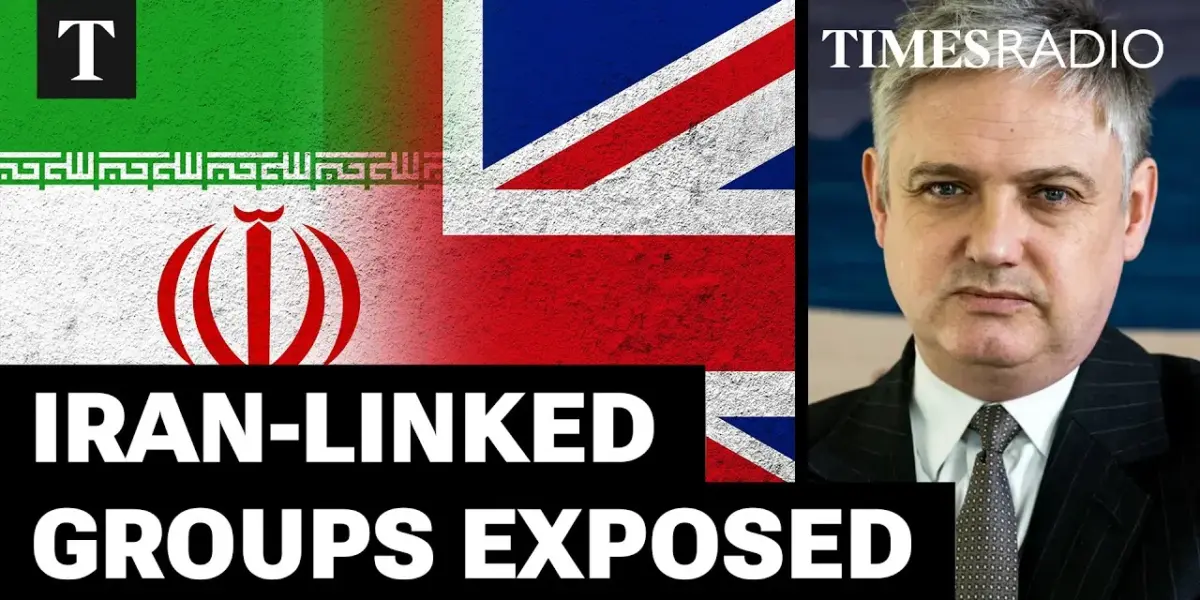
UK Charity Network Linked to Iran Faces Extremism Probe
A new report by Lord Walney, the government’s former extremism adviser, has identified a network of over 30 organizations in the UK allegedly acting as “soft power hubs” for Iran. The report claims these charities and community organizations have operated with insufficient scrutiny from authorities, partly due to a fear of being accused of racism. This investigation highlights a complex intersection of spiritual alignment, political influence, and potential security concerns linked to Iran’s regime.
Allegations of Ideological Alignment and IRGC Links
The report details evidence suggesting a spectrum of connections between these UK-based organizations and the Iranian regime. This ranges from “spiritual alignment” with the teachings of the Ayatollah to direct links with the Islamic Revolutionary Guard Corps (IRGC), which is described as the “shock troops” of the Iranian government. The IRGC is currently the subject of concerted efforts to be officially designated as a terrorist organization.
Lord Walney stated, “It can go from a spiritual alignment with the teaching or teachings of the the Ayatollah right the way through to direct links with the IRGC.” He further elaborated on the evidence, noting that it “goes across many charities that are embedded within the UK, many of which have been here for many years and for which there have been an array of evidence pointed out either from ideological alignment with the Iranian regime… that is dedicated to exporting terrorism around the world.”
Concerns Over Charity Commission Investigations
A significant concern raised by the report is the effectiveness and timeliness of investigations by the Charity Commission, the UK’s regulator for charities. While the Commission is well-funded, with an annual budget of approximately £50 million, investigations into allegations of wrongdoing are often protracted. The report notes that these inquiries are frequently put on hold when the police initiate their own investigations, leading to a situation where “charities for whom there is very serious evidence of wrongdoing [are] effectively able to carry on for years without any kind of sanction.”
Distinguishing Between Freedom of Expression and Real Danger
Lord Walney addressed the delicate balance between protecting freedom of expression and identifying genuine threats. He emphasized that the context is charity law, where organizations receive benefits like tax exemptions and are expected to maintain a level of impartiality. “Part of it of this is showing organizations which may which may not necessarily contravene criminal laws but for which it is deeply inappropriate that they keep the charity status right the way through to levels of evidence at times of collusion with organizations who are actively plotting terrorism,” he explained.
The Islamic Center of England Cited as an Example
The report specifically mentions the Islamic Center of England (ICE) as an organization often cited in these contexts. A former Iranian minister interviewed for the report described the ICE as a “nerve center effectively of operations, coordinating a wider network of charities.”
However, the ICE has responded to these allegations, stating in a letter to Lord Walney that it denies acting as a headquarters for any network linked to Iran’s supreme leader. The organization asserts that neither the Iranian political system nor any political figure influences or controls its activities, and it does not represent any foreign government. Lord Walney acknowledged that his upcoming report will include numerous rebuttals from organizations actively defending their reputations.
Government Action and the Definition of Islamophobia
The report’s findings have prompted a government response, with an acceptance of Lord Walney’s recommendation to strengthen the Charity Commission’s powers and capabilities to identify and address extremist organizations. “That’s an important step forward. But as we know so many of these kind of strategies look great when they are put in a big document but they need to be acted on,” Lord Walney commented.
The discussion also touched upon the government’s intention to publish its definition of anti-Muslim hostility, previously referred to as a definition of Islamophobia. Lord Walney noted that this is a sensitive area, with concerns that such a definition could potentially “chill the atmosphere of talking and highlighting these problems for fear of being called prejudiced.” He acknowledged the significant discrimination faced by Muslims but stressed the importance of ensuring that any new framework does not impede legitimate discussion and reporting of issues, referencing the challenges in addressing grooming gangs where a lack of clear definition has not prevented the identification of specific characteristics.
Looking Ahead
Lord Walney’s comprehensive report, set to be released soon, is expected to provide further details and evidence. The focus will now shift to the practical implementation of the recommended measures to enhance the Charity Commission’s oversight and the government’s approach to defining and combating anti-Muslim hostility, ensuring that legitimate concerns are addressed without stifling open dialogue.
Source: Iran-Linked Charity Network Prompts UK Extremism Crackdown | Lord Walney (YouTube)

Related Articles


Iran’s New Leader Wounded Amidst Escalating War and Sleeper Cell Fears
Iran's new Supreme Leader, Mostafa Kamani, has reportedly been critically wounded, sparking fears of internal instability and external intervention. Simultaneously, intelligence suggests Iranian sleeper cells may be activating, while Iran's firing on NATO forces escalates the conflict to a new, dangerous phase.
Iran Names New Supreme Leader, Defying Trump and Israel
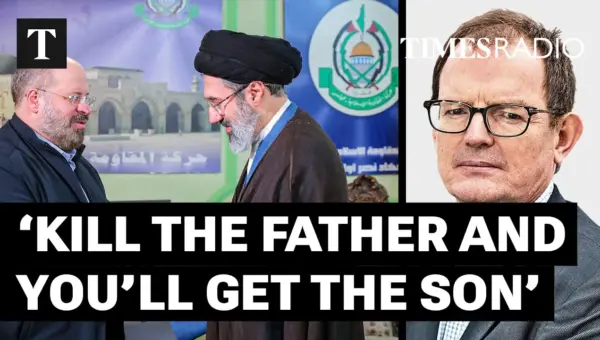
Iran has appointed Majtaba Khamenei, son of the late Supreme Leader Ali Khamenei, as the new head of state. This move is seen as a direct defiance to the US and Israel, especially after President Trump named Majtaba as an unacceptable successor. The appointment solidifies the hereditary aspect of leadership, a departure from theocratic tradition, and raises regional security concerns.
Trump’s War on Iran Fuels Oil Crisis, Betrays Promises
Donald Trump's foreign policy decisions have plunged the US into an energy crisis, directly contradicting his campaign promises of lower gas prices and peace. The analysis explores the hypocrisy and pattern of broken promises, questioning the true beneficiaries of his administration.