UK Chancellor Faces Fuel Tax Windfall Amidst Economic Crisis
The UK government stands to gain an extra £20 million daily in tax revenue due to high oil and gas prices, but experts caution that this windfall is overshadowed by the nation's significant borrowing and the broader economic strain caused by the crisis. Calls for motorist relief and increased domestic drilling are debated against the backdrop of global market volatility and the challenge of balancing energy security with climate commitments.

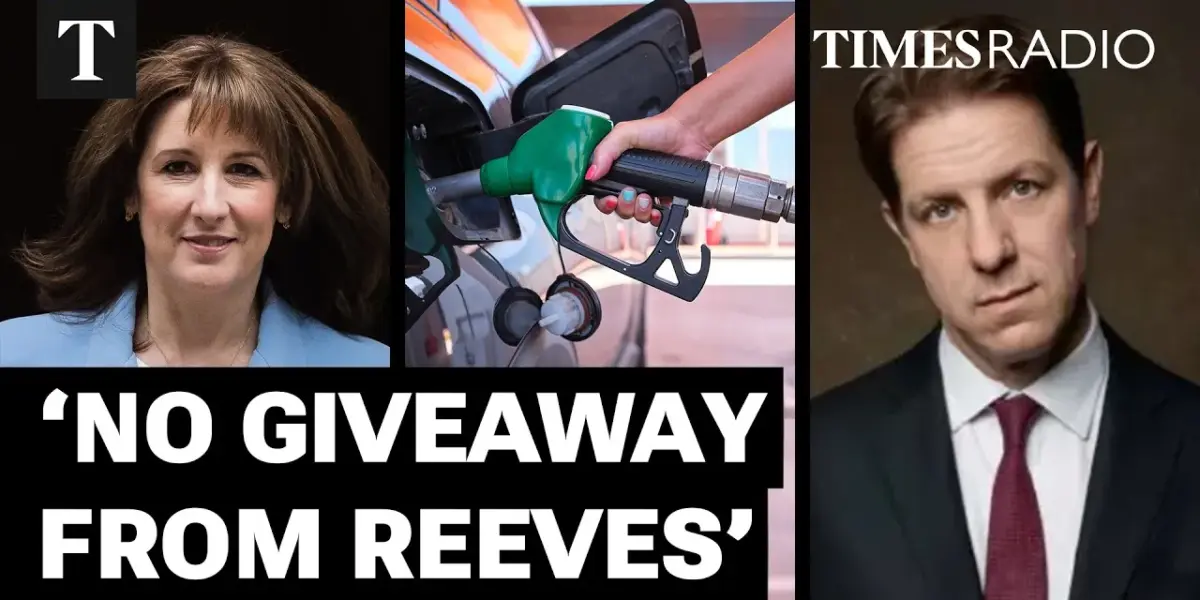
Government Set to Gain Millions Daily from High Oil Prices
The UK government is poised to receive an unexpected financial boost, with the Chancellor expected to gain an extra £20 million daily in tax revenues due to soaring oil and gas prices. This surge could translate into an additional £8 billion over a year if prices remain elevated. This figure represents about a third of the total revenue collected from fuel duty last year, according to the Office for Budget Responsibility (OBR).
James Murray, the Chief Secretary to the Treasury, addressed the situation on Times Radio Breakfast, stating, “High energy prices are not good news for anyone. They are not good for households, not good for businesses. They are not good for us as a country. We want to bring energy prices down.” He suggested that the quickest way to lower energy costs is through a swift resolution to the current global issues.
Economic Reality vs. Political Promises
Fraser Nelson, editor of The Spectator, offered a stark assessment of the government’s financial position. “Rachel Reeves is in no position to do a giveaway right now,” Nelson stated. He explained that while higher oil prices can create a windfall, the negative economic impact often offsets these gains. “Even if she were to get a small windfall, she has to set it against staggering amounts of money she’s having to borrow just to pay the basics,” he added.
Nelson highlighted that the very factors driving the oil price windfall, like surging fuel costs, are simultaneously straining the economy. “People will buy less fuel, they will slow the economy. There will be less profit, less revenue to the treasury,” he noted. Historically, this has meant the UK has not been a net beneficiary from high oil prices.
Calls for Motorist Relief and Government’s Dilemma
Suggestions are emerging for the UK to follow Australia’s example and provide relief to motorists. Proposals include reinstating the temporary 5p fuel duty cut, which was removed in August. However, Nelson expressed skepticism about such measures. “I don’t think so,” he said. “The other thing is that historically the cost of motoring is really quite low.”
He argued that despite current prices, the cost of buying a car and fueling it remains manageable compared to historical levels. More importantly, Nelson warned against the expectation of government intervention for every economic shock. “We haven’t got any money to do this,” he stated. “Doing this time and time again… you end up with a government borrowing so much… that the overall tax burden is crushing the growth out of the economy.” He likened politicians’ approach to being “Santa Claus” without the necessary funds.
The Public’s Perception and Government Communication
James Marriott, a journalist at The Times, noted a disconnect between public awareness and the impending challenges. “I think we’re not quite feeling it yet and I think it’s all a bit on the horizon, isn’t it?” he commented. He suggested that the issue is likely to become a larger political story.
Both Marriott and Nelson discussed the government’s challenge in communicating about fuel prices. While avoiding panic buying is crucial, as seen during previous shortages, a lack of clear communication could backfire. “I also wonder if they’re sort of just setting a big problem for themselves in three or four weeks’ time when suddenly there is a problem and people are going like, you said there wasn’t one,” Nelson pondered.
Drilling for Oil and Gas: A Solution or a Distraction?
The debate over increasing domestic oil and gas production continues. While some, like Tom Bernard, advocate for more drilling, others, including Rachel Reeves, emphasize net-zero targets. The Conservative party is reportedly preparing a bill to encourage more drilling in the North Sea, aiming for cheaper, reliable energy.
Nelson clarified that even increased domestic drilling might not significantly lower energy bills. “Look at America right now. It’s self-sufficient in oil… But their pump prices are still a third higher than they were at the start of the year. That’s because the oil price is global,” he explained. He supported more North Sea drilling for energy security but noted that recent tax hikes by the government have discouraged exploration.
Historical Context and Future Outlook
Reflecting on Britain’s oil and gas boom, Nelson contrasted the UK’s approach with Norway’s. “We actually extracted it very quickly when we found it. They went slower,” he said. While Norway built a substantial sovereign wealth fund, the UK’s oil revenues were largely spent quickly. Nelson believes it was a mistake to make continued exploration too expensive.
Looking ahead, the UK faces a delicate balancing act. The government must manage rising energy costs and the economic fallout without exacerbating national debt through unsustainable spending or giveaways. The effectiveness of policies aimed at increasing domestic energy production while adhering to climate goals will be closely watched.
Source: Reeves ‘Doesn’t Have The Money’ To Fix Fuel Price Crisis | Fraser Nelson (YouTube)

Related Articles

Iran’s Strategy: Humiliate the West, Cause Global Pain
Iran's leaders are reportedly using energy and fertilizer shortages to inflict global pain and humiliate the West. This strategy could lead to a harsh winter for Europe and food crises worldwide. The situation raises concerns about potential military escalation.

Billions in COVID Funds Stolen as Protections Were Disabled
Billions in COVID-19 relief funds were allegedly stolen as fraud protections were intentionally disabled by the Biden administration, according to Congressman Pat Fallon. These safeguards are now being reactivated under the Trump administration. The congressman cited political motivations and donor ties as potential reasons for the shutdown, highlighting a shift in organized crime towards less risky financial fraud.

Veteran’s Outburst Exposes GOP’s Broken Promises
A veteran's passionate outburst at a GOP congressman's town hall meeting has ignited debate over broken promises, government spending, and freedom of speech. The incident highlights deep-seated frustrations among some citizens regarding national priorities and accountability.