UK Authorizes US Bases for Defensive Strikes on Iran
The UK has authorized the use of its bases for US defensive strikes on Iran following recent Iranian attacks on Gulf nations. Foreign Secretary Yvette Cooper emphasized that the decision prioritizes the safety of over 300,000 British citizens in the region and aims to avoid repeating the strategic errors of the past, such as the Iraq War.

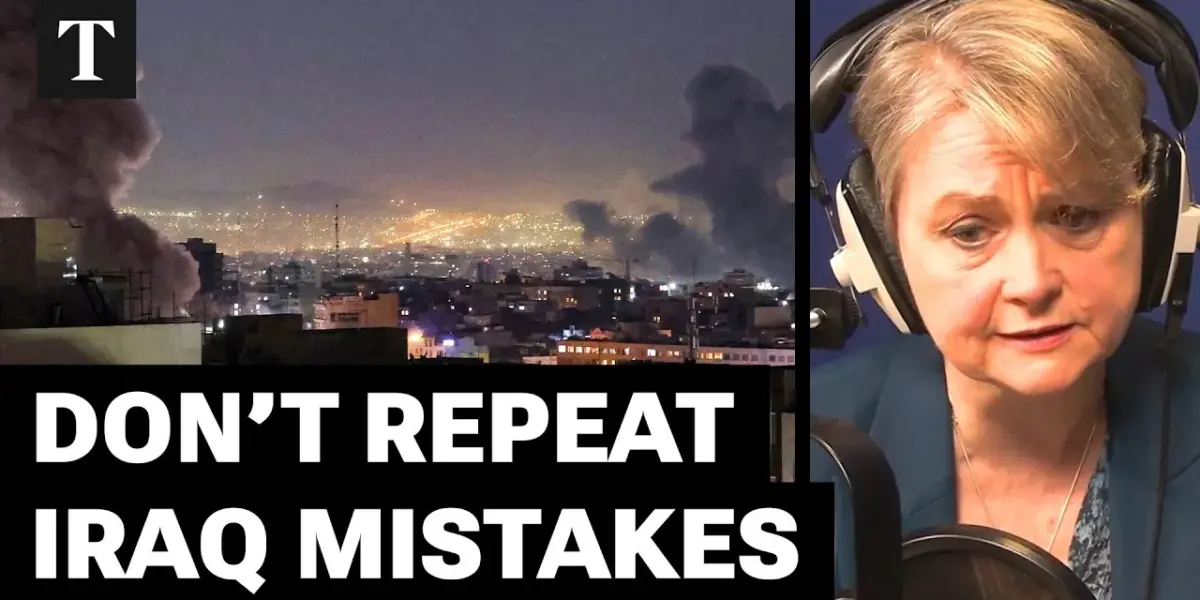
UK Authorizes US Bases for Defensive Strikes on Iran Amid Regional Tensions
The United Kingdom has authorized the use of its bases in the region by American forces for defensive strikes against Iran, a decision that underscores a delicate balancing act between supporting allies and avoiding direct involvement in escalating conflicts. The move comes after Iran launched significant attacks on Gulf countries, prompting concerns for the estimated 300,000 British citizens residing in the affected areas.
Strategic Shift Amidst Iranian Aggression
Foreign Secretary Yvette Cooper clarified the government’s position, stating that while the UK opted out of direct participation in US strikes over the weekend, the recent Iranian attacks on partner Gulf nations have necessitated a change in approach. These attacks, involving hundreds of missiles and thousands of drones, targeted countries that were not involved in the initial US operations. This escalation, Cooper explained, directly impacts the safety of British citizens and necessitates a supportive stance for defensive actions.
“We have taken a view about the importance of diplomatic processes trying to reach a negotiated agreement with Iran… but what we’ve seen over the weekend is now Iranian attacks on partner Gulf countries that were not involved in any of the strikes over the weekend on Iran… So this is about defensive support for those partner Gulf countries and it is simply as you said about the use of our bases request from the US. It’s not strikes that the UK would be involved in.”
Cooper emphasized that the UK’s support is for proportionate defensive action, a stance also adopted by France and Germany, who issued a joint statement with the UK. The focus, she stressed, is on countering direct threats, such as ballistic missile launchers pointed at Gulf nations, and not on targeting political or civilian infrastructure. This distinction is crucial, as the UK aims to de-escalate tensions while ensuring regional stability and protecting its citizens.
Learning from Past Mistakes: The Shadow of Iraq
The decision-making process within the UK government has been significantly influenced by a desire to avoid repeating the strategic missteps of the past, particularly the 2003 invasion of Iraq. Both Foreign Secretary Cooper and Labour leader Keir Starmer have referenced the Iraq War as a cautionary tale, highlighting the importance of careful consideration and avoiding regional escalation. The government acknowledges the history of regional instability and the brutal actions of the Iranian regime against its own people, but maintains that the ultimate goal is to pursue negotiated agreements that prevent nuclear proliferation and ensure regional stability.
Protecting British Nationals Abroad
A significant factor driving the UK’s policy is the presence of a large British expatriate community in the Gulf. Over 102,000 British citizens have registered their presence through a Foreign Office system designed to provide updates and facilitate potential evacuations. With an estimated 300,000 citizens in the affected countries, the government is working closely with embassies, airlines, and local authorities to ensure the safety and potential return of its nationals. The current advice for citizens in the region is to shelter in place and follow local guidance.
RAF Akrotiri Attack and Diplomatic Measures
In a separate incident, an unmanned drone attack targeted RAF Akrotiri in Cyprus overnight. The Ministry of Defence confirmed that the base remains operational and there were no casualties, although families were being relocated as a precautionary measure. Cooper confirmed that the US has not requested to use this base as part of the current operations. Regarding diplomatic relations, Cooper addressed the potential proscription of the Islamic Revolutionary Guard Corps (IRGC), noting that while legislation is being proposed to address state-backed organizations, existing restrictions are in place. The question of expelling Iranian diplomats was met with a response emphasizing ongoing diplomatic and collaborative efforts with Gulf partners.
Navigating Complex Geopolitics
The UK’s position reflects a complex geopolitical landscape, balancing alliance obligations with national interests and a commitment to de-escalation. While Senator Lindsey Graham of the US expressed disappointment, Cooper reiterated that the UK’s actions are guided by what is deemed in the nation’s interest and the right course of action, particularly concerning the safety of its citizens. The ongoing challenge lies in ensuring that the UK maintains oversight of US operations from its bases to confirm they adhere to the defined parameters of defensive action.
Looking Ahead
As the situation in the Gulf remains volatile, the UK will continue to monitor developments closely, prioritizing the safety of its citizens and pursuing diplomatic avenues for de-escalation. The effectiveness of the current strategy, particularly the ability to maintain oversight of US military actions from British bases and the success of diplomatic efforts, will be critical in shaping the future trajectory of the conflict and regional stability.
Source: Yvette Cooper: UK Does Not Want To Repeat Mistakes Of Iraq War In Iran (YouTube)

Related Articles

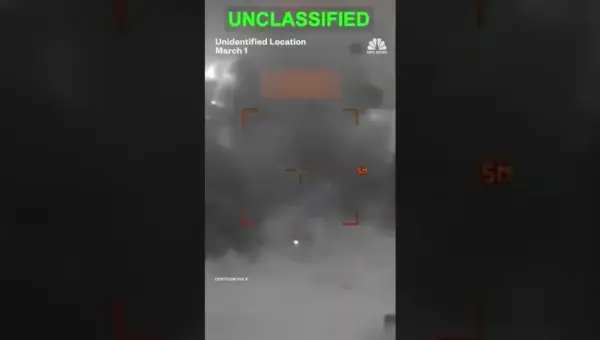
US Strikes Iran-Linked Targets Amid Escalating Tensions
The U.S. military has released footage of airstrikes on facilities in Iraq and Syria linked to Iran and its affiliated militias. These strikes are a response to repeated attacks on U.S. forces in the region amid escalating Middle East tensions.
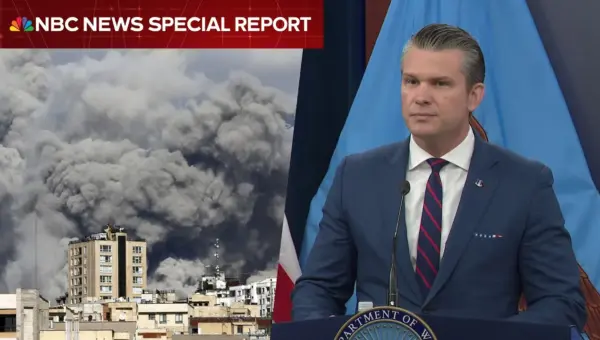
Pentagon Briefs on ‘Operation Epic Fury’ Amid Global Tensions
Pentagon officials held a live briefing today to provide an update on the significant military initiative, 'Operation Epic Fury.' The operation signals the U.S.'s commitment to global security amidst rising international tensions. Details remain undisclosed, but the initiative is expected to play a key role in deterrence and regional stability.

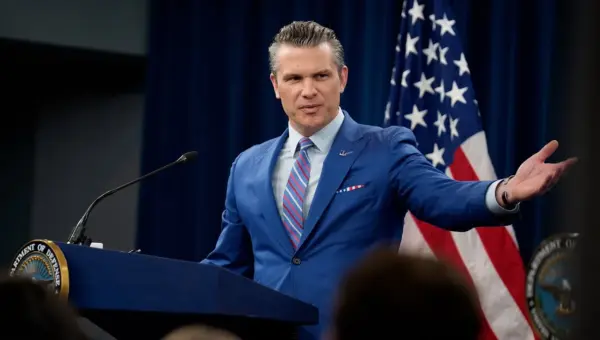
US Details ‘Epic Fury’ Operation Against Iran Threats
U.S. Defense Secretary Pete Hegseth and General Dan Caine detailed 'Operation Epic Fury,' a new military initiative designed to counter threats from Iran. The operation aims to deter aggression through an enhanced U.S. military presence and coordinated exercises with regional partners.