Ubisoft’s $1.16B Bailout and $1B Loss Signal Crisis
Ubisoft is facing an unprecedented financial crisis, marked by a €1.16 billion bailout from Tencent, a projected €1 billion loss this fiscal year, and a 96% stock price decline. Drastic restructuring, including layoffs and game cancellations, aims to salvage the struggling gaming giant.

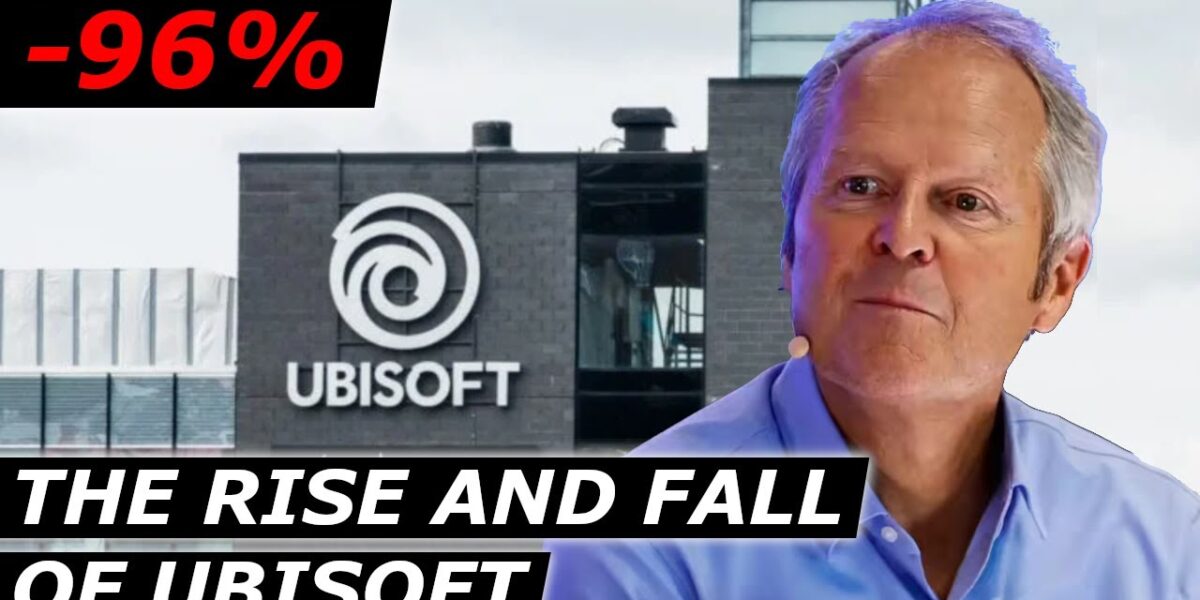
Ubisoft Faces Existential Crisis Amidst Financial Turmoil
Ubisoft, once a titan of the video game industry renowned for its pioneering open-world franchises like Assassin’s Creed and Far Cry, is now grappling with severe financial distress. The company recently secured a substantial 1.16 billion euro bailout from Chinese tech giant Tencent to avert bankruptcy. However, this lifeline appears insufficient as Ubisoft announced a drastic business restructuring, projecting a staggering €1 billion loss for the current fiscal year. This anticipated loss will effectively negate the entirety of the Tencent investment, underscoring the depth of the company’s challenges.
Stock Plunge and Market Cap Collapse
The financial downturn is starkly reflected in Ubisoft’s market performance. Over the past eight years, the company’s stock price has plummeted by an alarming 96%, currently trading at a mere $1 per share. Its market capitalization has shrunk to below €600 million, a stark contrast to the significant capital infusion received from Tencent just months prior. This dramatic decline signals a profound loss of investor confidence and a fundamental reassessment of the company’s value.
Roots of the Downfall: From Innovation to Mismanagement
Founded in the 1980s by Yves Guillemot and his brothers, Ubisoft initially thrived as a game distributor before evolving into a prominent developer. The success of Rayman in 1995 paved the way for an IPO in 1996, providing capital for expansion and the development of larger-scale games. Strategic acquisitions, including Red Storm Entertainment (creators of the Tom Clancy series) and the Prince of Persia IP, bolstered its portfolio. The Montreal studio’s work on a sequel to Prince of Persia: The Sands of Time eventually led to the creation of the immensely successful Assassin’s Creed franchise in 2007.
The AAA Gamble and Its Perils
Ubisoft became a leader in the ‘AAA’ game development space, characterized by high-budget, large-scale productions. Assassin’s Creed, a historical action-adventure series, became a flagship franchise, selling over 200 million copies globally across 13 titles. However, the relentless pursuit of annual releases, exemplified by the troubled launch of Assassin’s Creed Unity in 2014 due to numerous technical glitches, highlighted the strain on development teams and the risks inherent in AAA game production. While subsequent titles improved quality, the pressure to maintain output persisted.
The ‘Skull and Bones’ Saga: A Cautionary Tale
A prime example of strategic missteps is the protracted and costly development of Skull and Bones. Initially conceived as a multiplayer expansion for Assassin’s Creed IV: Black Flag, the game underwent numerous shifts in direction, including the addition of single-player components and a transition to a ‘live service’ model designed for continuous monetization. This indecision led to development delays spanning nearly a decade, with reports suggesting a development budget between $650 million and $850 million. Released in 2024 with a $70 price tag, Skull and Bones was a critical and commercial failure. Despite its visually impressive, hyper-realistic graphics and vast open world, the game was criticized for its repetitive ‘grind’ mechanics, intended to encourage in-game purchases. Player concurrency on Steam, a key performance indicator, was abysmal, quickly dropping to around 200 players, a fraction of comparable titles.
Internal Struggles and Nepotism Concerns
Adding to the operational challenges, Ubisoft’s management structure has faced scrutiny. The company, though publicly traded, operates with a significant degree of family control under CEO Yves Guillemot. Concerns about nepotism have arisen, particularly with the appointment of his son, Charlie Guillemot, to lead key divisions. Charlie Guillemot’s previous tenure at the mobile studio AIANT was marked by the failure of the game Tom Clancy’s Elite Squad. His subsequent foray into the crypto and NFT space with the company Yunagi also yielded a cryptocurrency whose value has fallen 94% since its initial coin offering.
Financial Performance Deterioration
Ubisoft’s financial health has been in steady decline. While net bookings (a measure of sales recognized) have seen increases, driven by franchises like Assassin’s Creed, development costs have outpaced revenue growth. Development investments, which represented approximately 45% of net bookings in the 2010s, have risen to about 60% in the last five years. This imbalance, coupled with significant spending on marketing and corporate overhead, has led to negative free cash flow in four of the past five years, with an expected burn of €450 million in the current fiscal year. The company reported €1.4 billion in net debt as of September 30, 2025, putting it in breach of loan covenants.
Restructuring and Future Outlook
In response to the escalating crisis, Ubisoft announced a significant restructuring plan on January 21, 2026. This initiative includes cutting €300 million in operating expenses, which is expected to lead to widespread layoffs. To streamline development and potentially mitigate future project overruns, the company is also discontinuing six games and delaying seven others, resulting in a €650 million non-cash depreciation charge. Among the cancelled titles is a highly anticipated remake of Prince of Persia: The Sands of Time, reportedly near completion.
Ubisoft will reorganize into five distinct creative houses, aiming for a more decentralized operational model to foster greater autonomy and prevent the kind of scope creep that plagued projects like Skull and Bones. Vantage Studios, responsible for flagship franchises like Assassin’s Creed, Far Cry, and Rainbow Six, will remain a central pillar.
Market Impact and Investor Considerations
The immediate market reaction to the restructuring announcement was severe, with Ubisoft’s stock price dropping over 40% on the day of the announcement. Investors are weighing the potential for recovery against the deep-seated issues of mismanagement, high development costs, and a challenging market environment. The Tencent investment provided crucial liquidity, reducing net debt to €200 million, but the company’s ability to return to profitability hinges on the success of its restructuring efforts and the performance of its core franchises.
The long-term implications remain uncertain. While cost-cutting and a narrower focus on established IPs are positive steps, the decision to place Charlie Guillemot at the helm of Vantage Studios raises questions about leadership and strategic direction. The industry’s shift towards live services and the increasing cost of AAA development present ongoing hurdles. Ubisoft’s path forward will require disciplined execution, a renewed focus on delivering quality gaming experiences, and potentially a fundamental shift in its corporate culture to regain market trust and investor confidence.
Source: How Ubisoft Destroyed Itself (YouTube)

Related Articles


Shadow Banking Crisis Looms Amid Deregulation
A looming crisis in the shadow banking system, particularly private credit, is highlighted as a major unaddressed economic risk. Deregulation and a lack of transparency in this rapidly growing sector echo the conditions that led to the 2008 financial crisis. Evidence of distress is mounting, yet regulatory oversight is reportedly being dismantled.

Global Private Credit Crisis Deepens with UK Lender Collapse
A $2.7 billion collapse of a UK mortgage lender has sent shockwaves through global financial markets, amplifying concerns about the stability of the private credit sector. The failure of MFS and its alleged fraudulent practices are exposing major U.S. institutions and raising questions about the sustainability of AI sector financing.

Star Trek: Voyager Game Lets You Rewrite History
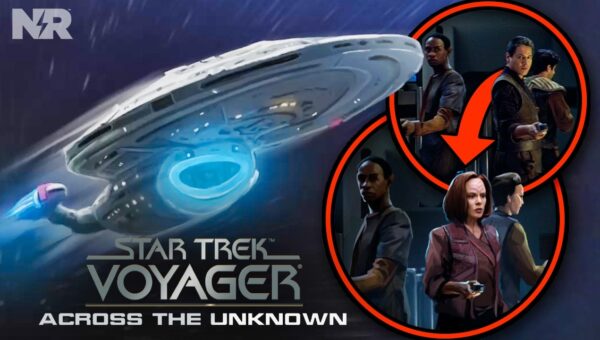
Star Trek: Voyager - Across the Unknown, a new survival game, allows players to command the USS Voyager and rewrite the events of the pilot episode, 'Caretaker.' Featuring player choice and deep gameplay mechanics, it promises a fresh take on the beloved franchise.