UAE Freezes Iranian Assets in Major Economic Blow
The United Arab Emirates has moved to freeze billions of dollars in Iranian assets, a decisive action that severely curtails Iran's economic lifeline. This move, prompted by Iran's missile and drone attacks on the UAE, signals a significant political and economic blow to Tehran and reflects growing regional unity against its aggression.

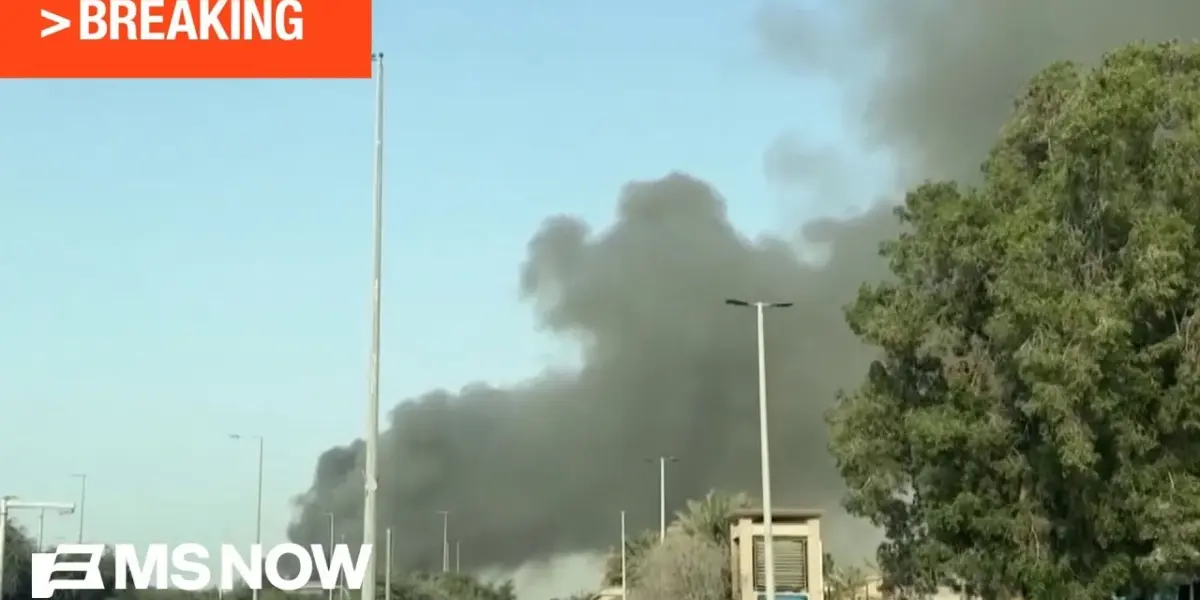
UAE Freezes Billions in Iranian Assets, Severing Economic Lifeline
NEW YORK, March 6 – In a significant escalation of regional tensions, the United Arab Emirates (UAE) has moved to freeze billions of dollars in Iranian assets, a move that promises to cripple Iran’s economy and sever its access to foreign capital. The decision, confirmed early Friday morning by a top regional official speaking to Morning Joe, represents a dramatic shift in the ongoing conflict, pushing the battle from the front lines directly into the global banking system.
A Strategic Financial Hub Under Pressure
For years, the UAE has served as a critical financial hub for Iran, facilitating its business interests and providing a vital conduit to circumvent Western sanctions. This close economic relationship has been instrumental in supporting Iran’s government and its military operations, including the funding of the Islamic Revolutionary Guard Corps (IRGC).
The Wall Street Journal had previously reported that such a move by UAE officials would cut off a key economic lifeline for Iran, significantly limiting its ability to conduct foreign trade and access essential currency. This action comes at a time when Iran’s economy has already suffered a sharp downturn, exacerbated by public demonstrations and military actions.
Iran’s Miscalculation: Attacking its Economic Lifeline
Analysts suggest that Iran’s strategy of launching over a thousand missiles and drones at the UAE, a nation that has been crucial to its economic survival, has spectacularly backfired. Instead of intimidating the Emiratis into stepping back from the conflict and reducing support for the U.S. and Israel, the attacks have intensified anger and prompted decisive action.
“The Iranians were hoping that by launching missiles and drones at key U.S. UAE cities early in the war… they would intimidate the Emiratis into basically stepping back from the war not supporting the U.S. and Israel and the opposite has happened.”
The official, speaking on condition of anonymity, highlighted the dual impact of the UAE’s decision. “So on both fronts – the actual economic squeeze on Iran and the demonstration of the political impact of unwisely choosing to attack the U.A.E. and these Gulf countries – it’s significant on both on both levels,” the source stated.
Economic and Political Repercussions
The economic consequences for Iran are expected to be severe. The UAE holds substantial Iranian assets, and its role as a primary location for Iranian business means this freeze will severely restrict the nation’s financial liquidity and operational capacity. This squeeze comes at a critical juncture, as Iran grapples with the aftermath of military engagements and internal economic pressures.
Politically, the UAE’s decisive action signals a united front among Gulf nations increasingly wary of Iranian aggression. The move demonstrates that Iran’s attempts to destabilize the region through military means have only served to isolate it further and galvanize its neighbors.
A Growing Regional Consensus Against Iranian Aggression
The UAE’s decision is not an isolated incident but appears to be part of a broader regional realignment. In recent days, both Qatar and Saudi Arabia have issued strong statements expressing anger and concern over Iranian attacks on their vital infrastructure. Saudi Arabia, which has seen its oil facilities directly hit, and Qatar, which has experienced attacks on its natural gas delivery systems leading to significant price spikes, are signaling a potential willingness to take their own actions against Iran.
This burgeoning unity among Gulf states is a stark departure from their previous efforts to de-escalate relations with Iran. The sustained aggression from Tehran has fostered an unprecedented level of solidarity, pushing nations that were once seeking détente to consider more forceful responses.
Looking Ahead: The Future of Iran’s Financial Standing
The freezing of Iranian assets by the UAE marks a pivotal moment in the ongoing regional conflict. The full economic and political ramifications of this move are yet to unfold, but it is clear that Iran’s ability to finance its operations and navigate international markets has been significantly curtailed. The coming weeks will be crucial in observing how Iran responds to this intensified pressure and whether this unified stance among Gulf nations will lead to a lasting shift in regional stability.
Source: Breaking: UAE moves to freeze Iranian assets (YouTube)

Related Articles


Iran Nuclear Tensions Spark Global Oil Shock
A coordinated military strike on Iran's nuclear facilities and naval assets has triggered retaliation, disrupting critical oil supplies and reserves in the Persian Gulf. The geopolitical escalation poses significant risks to global energy markets and the broader economy.

US War on Iran: Escalation Risks and Global Fallout
As the US war against Iran escalates, alarming reports suggest potential ground troop deployment and the involvement of Russia and China. This analysis delves into the geopolitical risks, economic fallout, and questionable intelligence surrounding the conflict.


Putin’s Spring Offensive: Russia Targets Ukraine’s Infrastructure
Russia is escalating its attacks on Ukraine's critical infrastructure, including energy, water, and rail systems, as part of a perceived desperate strategy to destabilize the country. Analysts believe these moves signal a shift from an expected swift victory to a prolonged campaign of attrition. The Kremlin's actions also come amidst internal political maneuvering within Ukraine and ongoing, albeit stalled, peace negotiations.