UAE Freezes Iranian Assets Amid Devastating War Effort
The UAE has frozen billions in Iranian assets as a devastating military campaign against Iran achieves significant success in degrading its missile and drone capabilities. Experts, however, express concern over potential long-term instability and the risks associated with encouraging internal fragmentation.

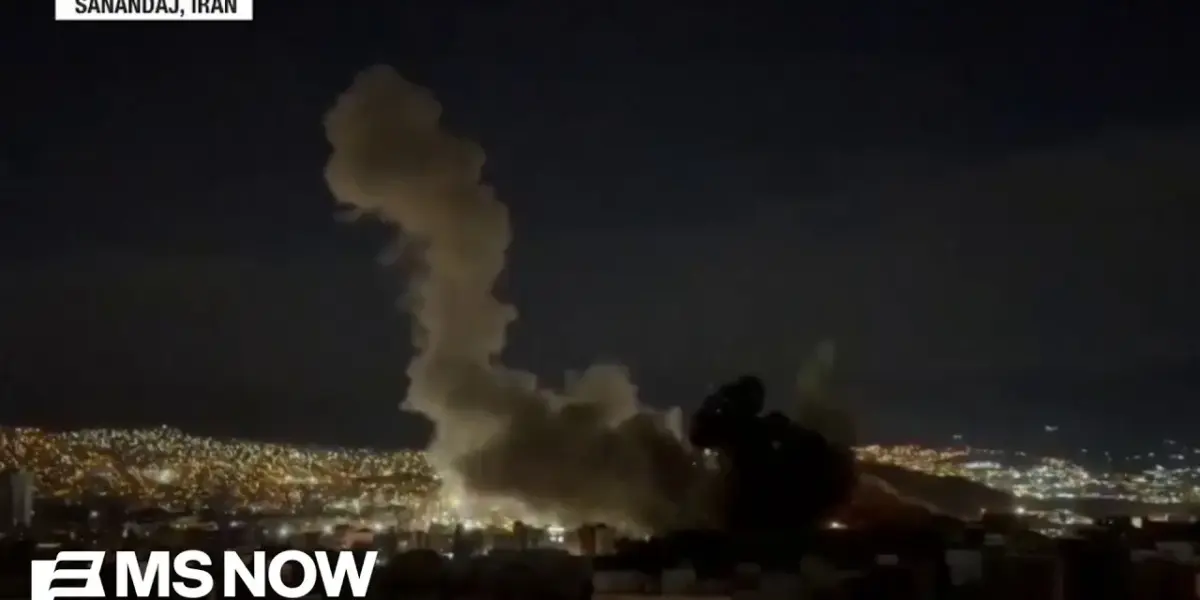
UAE Takes Drastic Action Against Iran’s Finances
In a significant escalation of regional tensions, the United Arab Emirates (UAE) has moved to freeze billions of dollars in Iranian assets, a move confirmed by a top regional official speaking to Morning Joe. This action, a direct response to earlier threats, targets a crucial economic lifeline for Iran, which has long used the UAE, particularly Dubai, as a financial hub to circumvent Western sanctions. The Wall Street Journal had previously reported that such a move would severely cripple Iran’s financial operations.
Military Campaign Achieves Overwhelming Success
A week into the ongoing conflict, the core U.S. and Israeli military campaign has been described as overwhelmingly successful. Forces are systematically dismantling Iran’s leadership, missile production facilities, and drone manufacturing capabilities. Reports indicate that open operating ability has been achieved over Tehran, allowing for the deployment of heavy bombers to strike key targets. The possibility of bringing in additional forces and encouraging ethnic Iranian groups, such as the Kurds, to form a separate front is also being considered.
“The core U.S. and Israeli military campaign has been overwhelmingly successful, that they are taking Iran, its leadership, its missiles, its missile production facilities, its drone production facilities.”
Concerns Over Encouraging Internal Fragmentation
While the military strategy aims to degrade Iran’s capabilities, the potential for encouraging internal dissent, particularly among ethnic groups like the Kurds, raises significant concerns. Experts familiar with Iran suggest this could be a dangerous misstep, potentially leading to the splintering of the country and inadvertently rallying Persian nationalists around the current regime. President Trump’s offer of air cover for Kurdish forces is viewed by some as insufficient to counter the strong Revolutionary Guard Corps presence on the border, raising questions about the long-term implications of such strategies.
Dubai Remains on Edge Amidst Ongoing Attacks
Despite the military successes, the situation on the ground, particularly in Dubai, remains tense. Reporter Josh Heinegger described being on a flight into the city when alerts indicated a projectile was fired in its direction, forcing all inbound aircraft into holding patterns. This incident occurred amidst a volley of missiles and drones launched by Iran the previous day. While residents, including the expat community, largely trust the government’s ability to repel attacks and remain in place, the city is described as being “very much on edge,” with many opting to work from home and children attending classes remotely.
“Dubai remains a city very much on edge. There was a volley of projectiles, maybe half a dozen a little more missiles and more than that of drones just yesterday. People are generally staying off the streets. Kids are taking classes over Zoom as if people are working from home.”
Strategic Opportunity to Weaken Iran
Experts like Hagar Shamali, former spokesperson for the U.S. Mission to the U.N., highlight a rare strategic opportunity to address the threat posed by Iran. The regime is considered to be at its weakest point in decades, grappling with economic problems, a degraded military, and a significantly impacted nuclear program. This window, driven by Iran’s recent actions and its historical antagonism towards the U.S. and its allies, presents an opportunity to dismantle its military capabilities and potentially usher in a transition towards a more stable future for the region.
The “Day After” Problem and Future Instability
A critical question looming over the conflict is the “day after” scenario. While the immediate military campaign has been highly effective in degrading Iran’s offensive capabilities, the long-term strategy for rebuilding and establishing stability remains unclear. The potential for further fragmentation, particularly if ethnic groups are armed without a clear political strategy, is a significant concern. Drawing parallels to past conflicts in Iraq, Libya, and Afghanistan, experts worry that successful military operations may not translate into lasting peace or security, leaving a complex challenge of building something stable from the “rubble.”
Intelligence Community Divided on Kurdish Strategy
The intelligence community appears divided on the strategy of arming Kurdish groups within Iran. While some see it as a potential way to create internal pressure, others, including David Ignatius and Hagar Shamali, express deep concern. They fear that such a move could exacerbate existing tensions, lead to further chaos, and risk introducing sectarian violence into Iran, mirroring problems seen in Iraq. The consensus among many intelligence sources, regardless of their political leanings, is that while the military campaign has been exceptionally successful, the use of ethnic groups could lead to an “Iraqi problem where one currently does not exist.”
Source: David Ignatius: A week into this war, it is devastating a regime that has created so much turmoil (YouTube)

Related Articles


US Munitions Stockpile Faces Urgent Test Amidst Global Tensions
The United States faces a critical challenge as its advanced munitions stockpiles are tested by escalating global tensions, particularly concerning Iran's drone and missile capabilities. The stark economic disparity between intercepting low-cost drones with high-cost missiles raises urgent questions about U.S. military sustainability.

Trump DHS Pick Stumbles on Iran War Stance
Senator Markwayne Mullin, a potential DHS pick for Donald Trump, is facing scrutiny over his inconsistent statements regarding a possible war with Iran. Analysts highlight his verbal gymnastics in interviews, raising concerns about his readiness for a key national security role.

Ex-MI6 Chief: UK Faces Iran Threats, Starmer Lacks Churchill’s Conviction
Former MI6 chief Sir Richard Dearlove discusses the threat of Iranian intelligence operations on UK soil following recent arrests. He also draws a stark comparison between current political leadership and historical figures, suggesting a lack of conviction in figures like Keir Starmer.