U.S. Tightens Grip on Hormuz Strait
Tensions escalate in the Strait of Hormuz as the U.S. threatens to blockade Iranian ports, causing oil prices to surge. Following failed peace talks, Iran vows retaliation against any perceived violations, setting the stage for a significant geopolitical standoff.

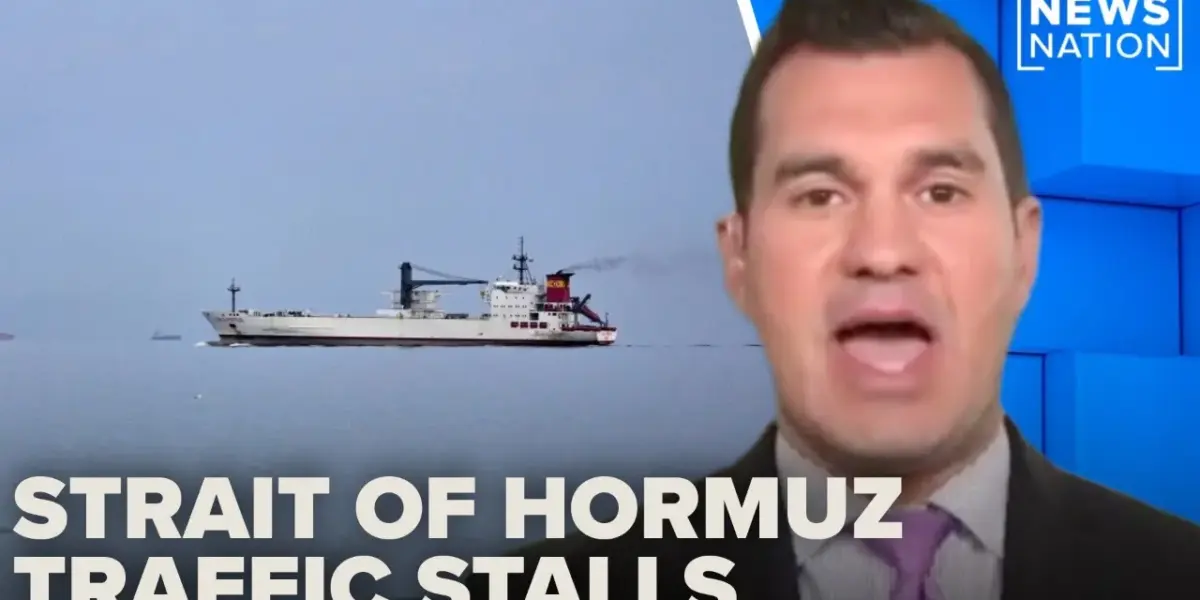
U.S. Escalates Pressure on Iran with Naval Standoff
Tensions are high in the Strait of Hormuz, a vital waterway for global oil trade. Reports indicate shipping traffic has stalled as the United States prepares to enforce new measures against Iran. President Trump has warned that a blockade of Iranian ports is imminent, sending oil prices sharply higher.
Peace Talks Collapse, Iran Vows Retaliation
Recent peace talks between the U.S. and Iran, held in Pakistan, ended without a long-term agreement. Iranian leaders have stated that if the U.S. seeks further conflict, Iran will respond forcefully. This exchange follows a period of intense diplomatic engagement that failed to yield a lasting resolution.
White House Details Economic Squeeze Strategy
The U.S. strategy is to exert significant economic pressure on Iran. President Trump announced via social media that the U.S. will intercept any ship paying tolls to Iran while passing through the Strait of Hormuz. This action is expected to affect vessels, including those potentially carrying Iranian oil to countries like China.
The purpose of this move is to economically squeeze Iran, mirroring Iran’s past actions of disrupting traffic in the Strait. This sets up a direct confrontation, testing who can withstand more economic pain. The U.S. also demands that Iran remove mines it has allegedly placed in the Strait. President Trump has vowed to “blow up” any Iranian forces that fire on U.S. ships or peaceful vessels.
Iran’s Red Lines and Demands
The collapsed peace talks highlight fundamental disagreements. Vice President Vance, returning from Pakistan, stated that Iran rejected U.S. demands, referred to as “red lines.” These include:
- Dismantling Iran’s nuclear enrichment facilities.
- Handing over enriched uranium already possessed by Iran.
- Ceasing funding for groups like Hamas and Hezbollah, which the U.S. labels as terrorist proxies.
- Fully reopening the Strait of Hormuz to international shipping.
These points represent the core demands the U.S. continues to push for.
Iran’s Counter-Threats
In response to U.S. actions, the Iranian regime has issued its own warnings. Through state media, Iran declared it will treat any ship in the Strait of Hormuz, whether a U.S. vessel or otherwise, as a violation of a ceasefire. This indicates Iran’s readiness to retaliate against perceived aggression.
Global Impact: Why This Reshapes the World Order
The Strait of Hormuz is a critical chokepoint, through which about 30% of the world’s seaborne oil trade passes. Any disruption here has immediate global economic consequences. The U.S. strategy aims to cut off Iran’s oil revenue, a key source of funding for its government and regional activities.
Historically, control of maritime trade routes has been a major factor in international power struggles. The U.S. action is a significant escalation, potentially leading to wider conflict. This standoff tests the resolve of both nations and could draw in other regional players, altering existing alliances and economic dependencies.
Economic Leverage and Future Scenarios
The U.S. is using economic sanctions and naval power as its primary tools. Iran’s counter is to threaten the free flow of oil through the Strait, impacting global energy markets. The success of the U.S. strategy depends on Iran’s ability to withstand economic pressure and the willingness of other nations, particularly major oil consumers like China, to comply with U.S. directives.
One scenario is that Iran backs down, easing tensions. Another is that Iran attempts to disrupt shipping, leading to direct military confrontation. A third possibility is a prolonged period of high tensions and economic strain, with neither side achieving a decisive victory. The current situation suggests a move away from diplomacy and towards a more confrontational approach.
Source: Shipping traffic appears to stall in Strait of Hormuz | Morning in America (YouTube)

Related Articles

US Blockades Hormuz: War Looms as Iran Threatens to Fire
The U.S. military has imposed a total blockade on the Strait of Hormuz, leading to a dangerous standoff with Iran. This move could see U.S. forces boarding Chinese ships, escalating tensions significantly. Iran has threatened retaliation, raising fears of a wider regional conflict.


General Warns of War Crime Trials for U.S. Military
Retired U.S. Army Brigadier General Steve Anderson warns that U.S. military members could face Nuremberg-style trials for war crimes. He criticizes former President Trump's handling of international conflicts, particularly in Iran, calling it a major geopolitical blunder. Anderson urges strategic international action for accountability after the current administration.
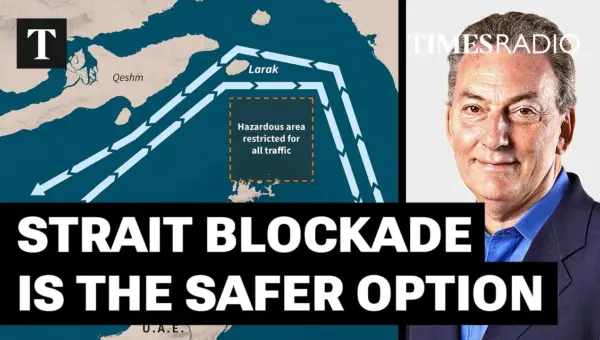
Hungary Votes Out Orban; US Navy Blockades Strait of Hormuz
Hungary has voted out long-serving Prime Minister Viktor Orban, signaling a potential shift in European Union dynamics. Meanwhile, the U.S. Navy has imposed a blockade in the Strait of Hormuz following failed nuclear talks with Iran, raising concerns about regional stability and potential escalation.