U.S. Readies Military Might as Iran Tensions Spike
U.S. military readiness is heightened as tensions with Iran escalate, particularly concerning the Strait of Hormuz. While diplomatic channels are being explored, the potential for military action looms. The crisis has significant implications for global energy security and regional stability.

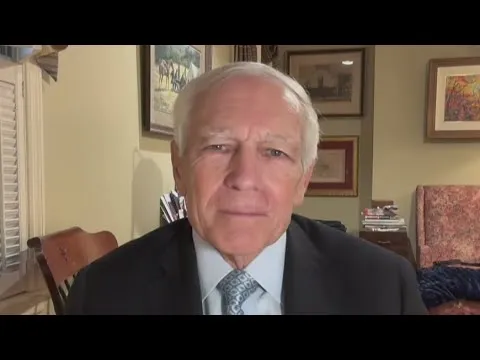
U.S. Boosts Military Readiness Amid Iran Tensions
The United States is signaling a strong military stance towards Iran, with President Trump stating the U.S. military is prepared to take decisive action. This comes as tensions rise over key shipping lanes, particularly the Strait of Hormuz. General Wesley Clark, former Supreme Allied Commander in Europe, believes that while Iran may not yield to all U.S. demands, behind-the-scenes diplomatic efforts could lead to a resolution.
Diplomatic Maneuvers and Military Preparedness
General Clark suggests that countries not directly involved may step in to help broker a deal between the U.S. and Iran. He acknowledges that Iran will likely resist giving up everything the U.S. wants. However, he doesn’t rule out the possibility of a deal, especially if significant pressure is applied. The U.S. military is positioned and ready, with technological assets to help keep the Strait of Hormuz open. While ground troops might be needed, Clark emphasizes the strategic importance of ensuring freedom of navigation.
Iran’s Strategic Position and Global Impact
Iran holds strategic leverage through its control of the Strait of Hormuz and its nuclear program. Clark expresses concern that Iran might delay negotiations while continuing to advance its nuclear ambitions. This situation poses a risk to the global economy, especially with rising gas prices. He stresses that the issue is not just about fuel costs for Americans but a matter of national security. Clark points out that the current Iranian regime is dedicated to the destruction of other states, a stance he believes does not represent the Iranian people.
Navigating the Crisis
Despite a lack of immediate progress in negotiations, General Clark maintains a measured outlook. He believes the U.S. must resolve the current crisis to uphold its global leadership and maintain deterrence worldwide. He states that the U.S. cannot simply withdraw from the situation. The process could take days, weeks, or even months, requiring continued military readiness. The U.S. might have to initiate military action if Iran continues to obstruct passage through the Strait of Hormuz.
International Pressure and Future Scenarios
The U.S. plans to use economic measures and enlist the support of allies to pressure Iran. Clark hopes that NATO allies, along with countries like Pakistan, China, and Saudi Arabia, will help persuade Iran to abandon its current path and engage with the modern world. The Strait of Hormuz remains a critical flashpoint. Iran’s claims that any U.S. military presence would violate a cease-fire highlight the delicate situation.
The Strait of Hormuz: A Critical Chokepoint
Iran possesses anti-access and denial capabilities, including cruise missiles and anti-ship missiles. These could pose a threat to U.S. naval assets. However, Clark believes the U.S. can maintain a blockade and engage militarily if provoked. The primary goal is to ensure the Strait of Hormuz remains open. Iran must recognize it does not have the right to close this vital waterway. Once this issue is resolved, other matters could potentially be addressed.
Historical Context
The current standoff echoes historical tensions in the region, particularly concerning control over vital shipping lanes. The Strait of Hormuz has been a focal point for geopolitical competition for decades. Iran’s nuclear program also represents a long-standing concern for the international community, dating back to the early 2000s. Past diplomatic efforts, including the Joint Comprehensive Plan of Action (JCPOA) in 2015, aimed to curb Iran’s nuclear activities but have faced significant challenges.
Economic Leverage
Economic sanctions have been a primary tool used by the U.S. and its allies to pressure Iran. These measures aim to cripple Iran’s economy and force concessions on its nuclear program and regional behavior. The potential disruption of oil shipments through the Strait of Hormuz, which accounts for a significant portion of global oil transport, has major economic implications worldwide. Rising oil prices can impact global markets and create domestic political challenges for consuming nations.
Regional Dynamics
The situation involves complex regional rivalries. Saudi Arabia, a key U.S. ally, views Iran as a major threat. China and Pakistan, while not traditional U.S. allies, have significant economic and strategic interests in regional stability and access to energy resources. The involvement of these diverse actors underscores the intricate web of alliances and rivalries shaping the current crisis.
Future Scenarios
Several outcomes are possible. Diplomacy could succeed, leading to a de-escalation and a new agreement. Alternatively, military conflict could erupt, with potentially devastating consequences for the region and the global economy. A prolonged period of high tension and limited skirmishes is also a possibility. The U.S. strategy appears to be one of maximum pressure, combining military readiness with economic sanctions, in hopes of forcing Iran to negotiate a comprehensive deal.
Global Impact: Why This Reshapes the World Order
The standoff over the Strait of Hormuz is more than a regional dispute; it is a test of international norms and the established world order. The U.S. insistence on maintaining freedom of navigation challenges Iran’s assertions of control. The potential for conflict highlights the fragility of global energy markets and the interconnectedness of international security. How this crisis is resolved will influence future U.S. foreign policy, the effectiveness of international sanctions, and the balance of power in the Middle East for years to come.
Source: Mediators may help persuade Iran to cut deal with U.S., Wesley Clark says | NewsNation Prime (YouTube)

Related Articles
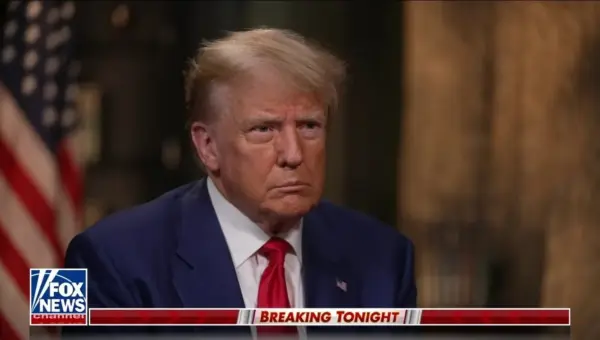
Trump’s Fox Interview Reveals Reckless Global Threats, Economic Risks
Donald Trump's recent Fox interview revealed alarming threats against Iran and questionable economic predictions. He discussed potentially destroying Iran's infrastructure and acknowledged the economic risks, yet also claimed current economic success. The interview highlights concerns about his foreign policy and economic judgment.
Trump Orders Strait of Hormuz Blockade; Oil Prices Surge
President Trump announced an immediate blockade of the Strait of Hormuz, a vital global oil chokepoint, following failed Iran negotiations. This move has triggered an $8-$9 surge in oil prices, with experts warning of further increases in gasoline and diesel costs worldwide. The blockade raises concerns about global supply and potential inflation.

Trump’s Tariff Threat: 50% on China Over Iran Aid
Former President Donald Trump is threatening China with a 50% tariff if it aids Iran militarily. Meanwhile, Hungary's Prime Minister Viktor Orban has conceded election defeat after 16 years in power, with opposition leader Péter Magyar set for a landslide victory.