U.S. Iran Gamble Risks Global Tech, Energy Stability
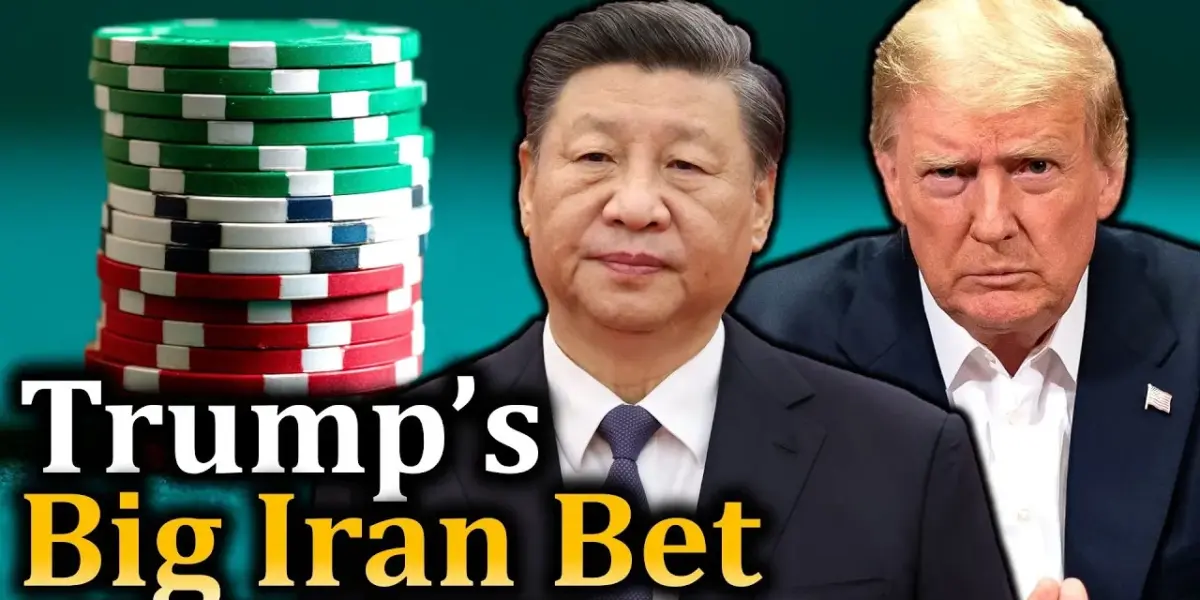
The U.S. military actions in Iran represent a high-stakes gamble, potentially depleting crucial weapons stockpiles needed to counter China's growing threat. This engagement is deeply intertwined with global tech supply chains centered on Taiwan and the strategic importance of energy markets.

U.S. Iran Gamble Risks Global Tech, Energy Stability
The recent U.S. military actions against Iran, commencing on February 28th, present a far more significant gamble than initially perceived. While past conflicts like the lengthy wars in Afghanistan and Iraq, which spanned decades and incurred immense costs, often allowed ordinary Americans to remain largely insulated from the direct impact, the current situation in Iran carries a distinct and potentially more profound set of risks. Unlike the widespread awareness and disruption caused by the conflict in Ukraine, the U.S. engagement with Iran, despite its current scale, could have far-reaching consequences that extend beyond immediate military objectives.
A Shifting Global Threat Landscape
In the post-Cold War era, the global security landscape has become increasingly complex, creating a challenging environment for national security analysts and, by extension, ordinary citizens. The conflict in Iran is not an isolated event but occurs within a broader context of escalating global tensions. The transcript highlights a tiered system of threats to U.S. interests, with China at the apex due to its global aspirations and economic might, followed by Russia, whose actions pose a direct threat to European stability and, by extension, U.S. security through NATO’s Article 5. Iran, while a regional concern, is positioned lower in this hierarchy, primarily impacting U.S. regional interests rather than posing a direct, catastrophic threat to the United States itself.
The Diminishing Role of Oil as a Coercive Tool
Historically, Middle Eastern oil security was a paramount concern for U.S. foreign policy. However, the shale revolution and improvements in fuel efficiency have transformed the U.S. into a net oil exporter. This shift has significantly reduced the ability of unfriendly nations to coerce the U.S. through oil embargoes, rendering the strategic vulnerability of the 1970s a relic of the past. While Middle Eastern oil remains crucial for global price stability, it is no longer the critical strategic vulnerability it once was for the United States.
The Cost of Engagement: Burning Through Resources
The current U.S. strategy in Iran, characterized by swift, targeted strikes and special forces operations, aims to avoid the protracted “forever wars” of the past. The decision to end the engagement with the Houthis in Yemen, for instance, was partly due to its “alarming burn rate” of resources – missiles that could have been allocated to more critical theaters, such as the Taiwan Strait. This highlights a critical concern: the United States is rapidly depleting its stockpiles of heavy weaponry, a consequence of both past military engagements and a post-Cold War reduction in arms manufacturing. This depletion is particularly worrying given the rising threat posed by China.
The Taiwan Strait: The Ultimate High-Stakes Scenario
The central thesis of the analysis is that the U.S. actions in Iran are intrinsically linked to the overarching strategic challenge posed by China, particularly concerning Taiwan. Taiwan’s dominance in the production of advanced microchips, accounting for approximately 90% of the world’s top-tier production and 60% of global chip revenue, makes it indispensable to the global economy. An invasion of Taiwan by China would trigger an economic catastrophe far exceeding the microchip shortages experienced during the pandemic. The potential sabotage of Taiwan’s sensitive manufacturing facilities by its own government in the event of an invasion underscores the critical need for deterrence.
Iran’s Role in China’s Strategic Calculations
The analysis posits that the U.S. engagement in Iran, if successful in disrupting Iran’s ability to export oil, could indirectly impact China’s strategic calculus. China, a massive consumer of oil, relies on a steady supply to fuel its economy and military. While China has several potential oil suppliers, including Russia and Saudi Arabia, the disruption of Iranian oil exports, even through a chaotic regime, could limit Beijing’s options in a potential World War III scenario. This inability to secure vital energy resources could serve as a deterrent against Chinese aggression, particularly against Taiwan.
The Gamble and Its Potential Outcomes
The gamble in Iran is thus framed as a high-leverage play. The United States is essentially “borrowing metal from its future self” by expending valuable munitions. The success of this gamble hinges on its ability to bolster deterrence against China. The worst-case scenario involves the U.S. depleting its weapons stockpiles without effectively deterring Beijing or controlling Iran’s oil exports, leaving the U.S. in a precarious position. Conversely, a successful outcome could shore up the most pressing challenge facing the Western coalition in the coming decade.
Why This Matters
The U.S. involvement in Iran is not merely a regional conflict but a critical component of a broader geostrategic competition, primarily with China. The depletion of U.S. military stockpiles, the ongoing reliance on advanced microchip technology from Taiwan, and the global implications of potential energy supply disruptions are all interconnected. The decisions made regarding Iran have direct implications for the U.S.’s ability to deter aggression in the Indo-Pacific and maintain global economic stability. The analysis underscores that the perceived low downside risk of military action in Iran is a dangerous miscalculation, masking a high-stakes gamble with potentially global ramifications.
Implications, Trends, and Future Outlook
The trend towards a multi-polar world with escalating tensions between major powers is evident. The U.S. strategy of engaging lower-tier threats while preserving resources for higher-tier adversaries like China is a delicate balancing act. The future outlook suggests a continued focus on resource allocation and strategic deterrence. The increasing importance of technological self-sufficiency, particularly in semiconductors, and the strategic value of energy supply chains will likely shape geopolitical dynamics. The U.S. must carefully manage its military expenditures and diplomatic efforts to navigate these complex challenges effectively.
Historical Context and Background
The analysis draws parallels to past U.S. military engagements, contrasting the prolonged, high-cost “forever wars” with the current emphasis on agile, short-term operations. The shift in U.S. energy policy, moving from a focus on Middle Eastern oil security to energy independence, is a significant historical development that alters the strategic calculus. The post-Cold War “peace dividend” and subsequent reduction in heavy metal stockpiles, followed by the costly focus on counter-insurgency, have left the U.S. in a position of potentially depleted reserves at a time of rising great power competition. This historical context is crucial for understanding the current strategic dilemma.
Source: Why the U.S. Gamble in Iran Is Much Bigger Than It Seems (YouTube)

Related Articles

Stocks Ignore War Risks, Focus on “Taco Moments”
Stock markets appear to be overlooking the severe supply chain risks stemming from the Iran conflict, focusing instead on potential diplomatic de-escalations. While the S&P 500 shows resilience, bond and commodity markets signal deep concern over disruptions to critical resources like LNG, helium, and fertilizers.

US Strikes Cripple Iran’s Military Might, CENTCOM Reports
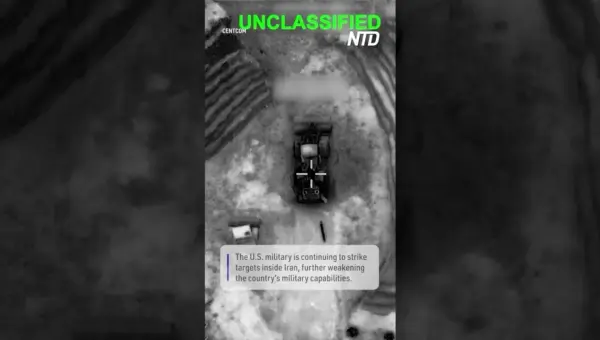
U.S. Central Command reports ongoing strikes inside Iran are significantly weakening its military power. This direct action aims to reshape regional security dynamics, but carries risks of escalation. The long-term impact depends on Iran's response and ability to adapt.

U.S. Iran Tensions Rise Amid Shifting Alliances
Rising tensions between the U.S. and Iran are creating a volatile geopolitical situation. With conflicting signals on de-escalation and potential shifts in alliances like NATO and U.S.-Israel relations, the path forward remains uncertain. The global economy and regional stability hang in the balance.