TV’s Best Hidden Secrets Revealed!
From subtle nods to outright winks, television has a long history of delighting audiences with clever Easter eggs. Watch Mojo's latest countdown delves into the most ingenious hidden details sprinkled throughout our favorite shows, proving that sometimes, the best moments are the ones you have to look for.

TV’s Best Hidden Secrets Revealed!
From subtle nods to outright winks, television has a long history of delighting audiences with clever Easter eggs. Watch Mojo’s latest countdown delves into the most ingenious hidden details sprinkled throughout our favorite shows, proving that sometimes, the best moments are the ones you have to look for.
A Universe of References
The list, which limits itself to one Easter egg per show to avoid an endless parade of The Simpsons references, highlights how creators embed layers of meaning and inside jokes into their work. These aren’t just random additions; they often serve as acknowledgments of an actor’s past roles, callbacks to earlier plot points, or simply a way for the production team to have fun with their audience.
From Sci-Fi to Sitcoms: A Diverse Selection
The countdown spans various genres, showcasing the universality of the Easter egg. For fans of the beloved but short-lived sci-fi western Firefly, the show Castle, starring Nathan Fillion, offered a delightful nod. In one episode, Castle dresses as a “space cowboy” for Halloween, a clear reference to Fillion’s iconic role as Mal Reynolds. This clever inclusion serves as a wink to dedicated fans, acknowledging the actor’s past work in a humorous way.
Even the seemingly mundane details of everyday life on screen can hide secrets. The iconic coffee shop hangout in Friends, known for its perpetually available prime seating, is revealed to have a subtle explanation: a “reserved” sign occasionally visible on their favorite couch, suggesting a special arrangement with the ever-faithful Gunther.
Supernatural, known for its blend of horror and humor, also makes the cut. The Winchester brothers, in one meta-episode, find themselves on a TV set where they humorously reference Jared Padalecki’s (Sam) past role on Gilmore Girls and Jensen Ackles’ (Dean) stint on a superhero show, demonstrating the series’ playful engagement with its actors’ careers.
Full-Circle Storytelling and Character Depth
Some Easter eggs offer profound narrative resonance. Breaking Bad, lauded for its meticulous plotting, features a poignant callback in its final season. Walter White encounters the very same pair of pants he discarded in the pilot episode while wandering in the desert, a powerful visual metaphor for his journey and descent.
The Good Place pays homage to Ted Danson’s legendary career by having his character, Michael, serve drinks in a manner reminiscent of Danson’s most famous role as bartender Sam Malone in Cheers. This moment, while serving the plot, is a heartwarming tribute for long-time fans.
The romantic journey of Ben and Leslie in Parks and Recreation is subtly underscored by a recurring little wooden box. Initially a gift from Ben to Leslie, it later holds their engagement ring, a physical symbol of their enduring love that fans can spot on rewatches.
Intricate Plotting and Long-Game Reveals
Futurama, a show celebrated for its sharp writing, hid a major reveal in plain sight. The pilot episode shows Fry falling into cryo-sleep, and eagle-eyed viewers could spot the silhouette of Nibbler, the very character responsible for sending him there, in the background. The answer to how Fry ended up in the future was present from the very beginning.
Similarly, Star Trek: Voyager included a subtle nod to The West Wing by listing characters from the political drama among deceased crew members on a computer screen, a humorous integration of a popular show into a sci-fi universe.
Schitt’s Creek bid farewell to David Rose with a visually striking tribute. The finale features a wall of his iconic sweaters behind him during a moment of pre-wedding panic, a symbolic representation of his character’s journey and the memories associated with his unique fashion sense.
George Takei’s iconic status is celebrated in Heroes, where his character’s license plate bears the registry number of the USS Enterprise, a direct and satisfying link to his time as Sulu in Star Trek.
How I Met Your Mother masterfully employed a countdown. In the episode “Bad News,” where Marshall’s father’s death is revealed, background numbers subtly decrease from 50 to 1, creating an ominous sense of impending doom that adds a chilling layer to the tragedy.
The animated series Bluey features an ongoing scavenger hunt for fans: the “Long Dog” toy. Hidden in almost every frame, this seemingly simple addition has become a beloved challenge for the show’s dedicated audience.
For fans of The Last of Us, the adaptation of the acclaimed video game offered a brilliant casting choice. Troy Baker, the original voice of Joel in the game, appears as James, a character with whom Ellie has a significant confrontation. Ashley Johnson, the original Ellie, also makes a cameo, weaving the game’s legacy into the series.
Gravity Falls, a masterclass in mystery and foreshadowing, embedded its secrets within its closing credits. Each episode featured a cryptogram that, when deciphered, revealed hidden messages, rewarding attentive viewers and solidifying its reputation as a show that respected its audience’s intelligence.
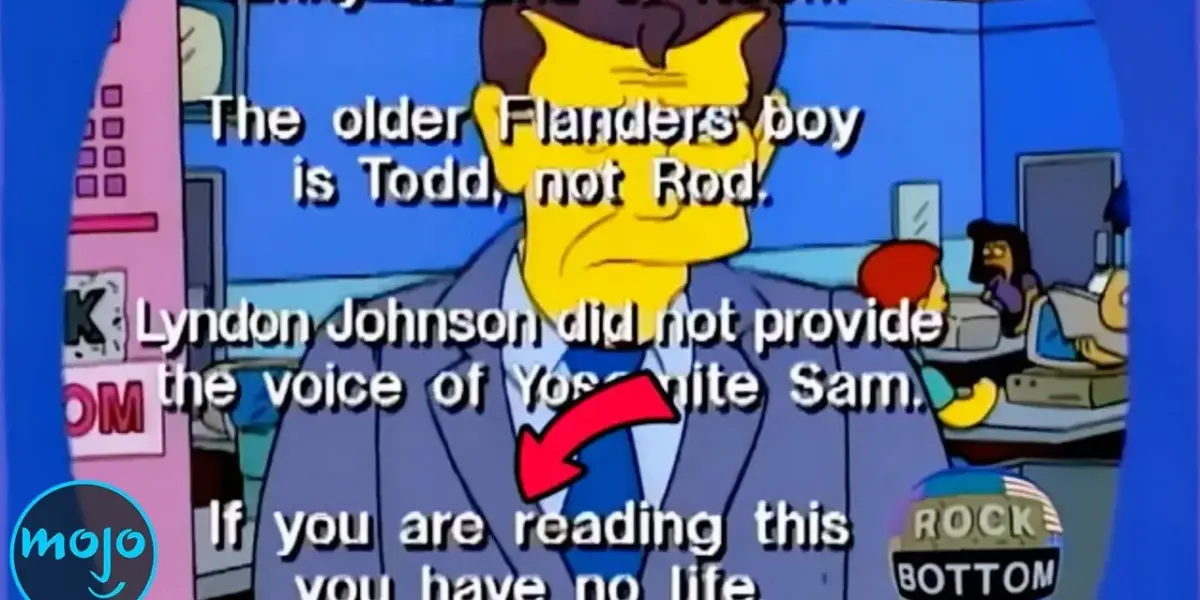
Even The Simpsons, a show with an embarrassment of riches when it comes to hidden details, managed to surprise. In the “Homer Badman” episode, a wall of text scrolls by too quickly to read, but pausing it reveals humorous corrections and an amusing message to “get a life” for those who bother to look.
Community delivered a legendary meta-joke with its Beetlejuice reference. The spectral character only appears after his name is said three times, a rule the show adhered to literally, with the third utterance occurring across multiple episodes and seasons, demonstrating an unparalleled commitment to the bit.
Jerry Seinfeld’s personal love for Superman is a well-known fact, and Seinfeld consistently included subtle nods to the Man of Steel, from fridge magnets to action figures, turning the search for Superman into a fun running gag for fans.
Arrested Development masterfully foreshadowed Buster’s eventual hand loss. A seemingly innocuous comment about missing a hand due to a strangely constructed armchair, made long before the actual event, becomes a darkly hilarious callback upon rewatch.
Perhaps the most legendary recurring Easter egg belongs to Lost. The infamous numbers – 4, 8, 15, 16, 23, and 42 – permeated the series, appearing on everything from lottery tickets to hatch interiors, weaving a complex tapestry of mystery that defined the show.
The Ultimate Cameo: Evan Peters in ‘WandaVision’
The number one spot goes to Marvel’s WandaVision for its brilliant casting of Evan Peters. Having previously portrayed Quicksilver in Fox’s X-Men franchise, Peters’ appearance as a variant of the character in the MCU sent fans into a frenzy. This meta-casting choice, while ultimately leading to a different narrative path, was a masterful wink to the audience, bridging the gap between different cinematic universes and celebrating the actor’s iconic role.
These hidden gems not only add depth and rewatchability to our favorite shows but also foster a sense of community among fans who delight in uncovering these well-kept secrets. What’s your favorite TV Easter egg? Let us know in the comments!
Source: Top 20 Greatest TV Easter Eggs of All Time (YouTube)

Related Articles
WatchMojo’s 20-Year Journey: Staff Reveals Favorite Videos
WatchMojo is celebrating 20 years of content creation by having its staff reveal their personal favorite videos. The selections range from hilarious "worst movie accents" to influential video game lists and in-depth documentaries.
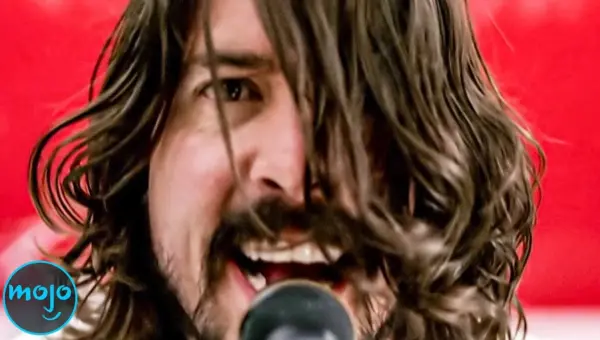
Band Leaders: Musicians Who Became The Face of Their Groups
From Brendon Urie to Dave Grohl, discover the musicians who rose above their bandmates to become the undisputed face and creative force behind their iconic groups. Watch Mojo reveals the top 10.

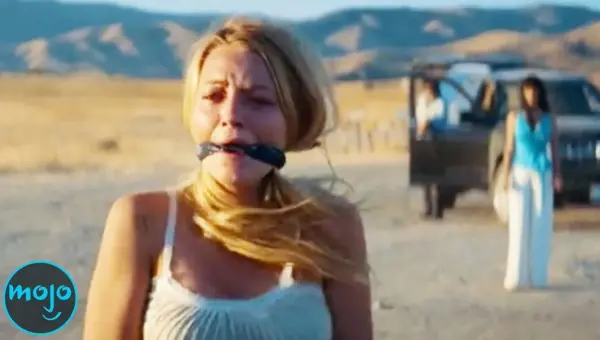
Plot Twists That Fell Flat: The Worst Movie Surprises Revealed
A new video from Watch Mojo dissects the 28 worst movie plot twists, from anticlimactic alien defeats in 'War of the Worlds' to baffling meta-narratives in 'The Fifth Estate.' Discover which films failed to surprise and left audiences disappointed.