Tulsi Gabbard: Trump, Not Intel, Decides Imminent Threats
Analyst Ian Bremmer asserts that President Trump, not the intelligence community, holds the ultimate authority in determining what constitutes an "imminent threat." This power dynamic was highlighted during discussions surrounding former Congresswoman Tulsi Gabbard's testimony. The conversation also explored the complex effects of the Soleimani assassination, questioning whether it strengthened or weakened Iran's resolve.

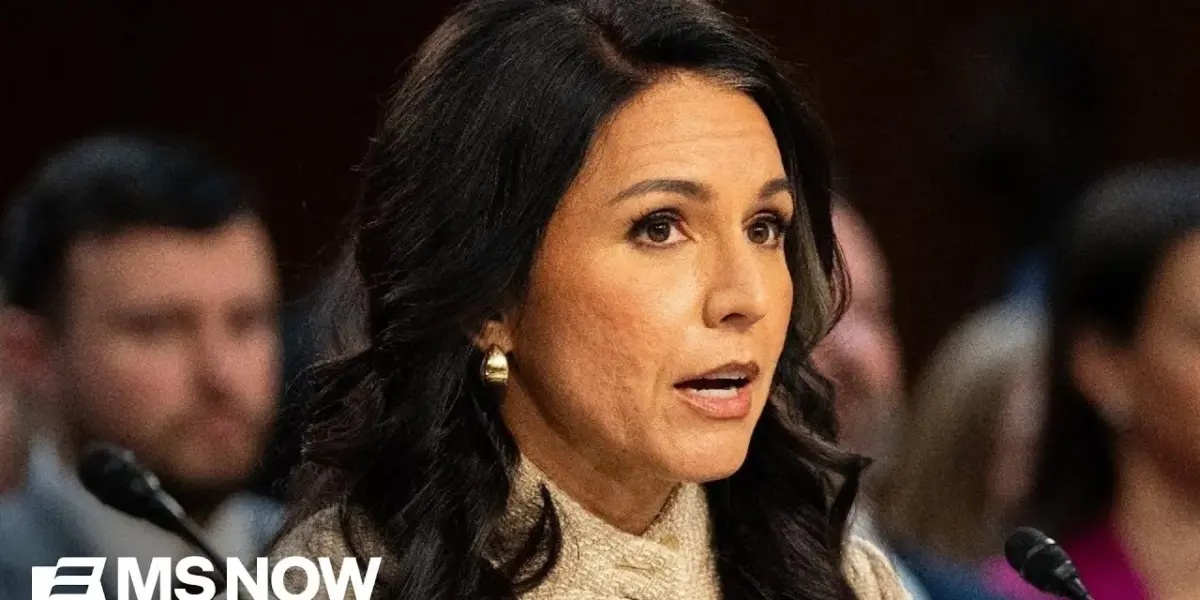
Trump Holds Ultimate Authority on Threat Assessment, Says Analyst
In a recent discussion, analyst Ian Bremmer stated that President Trump, not the intelligence community, has the final say on what constitutes an imminent threat. This assertion came up during a conversation about former Congresswoman Tulsi Gabbard’s testimony. Bremmer noted that Gabbard’s statements echoed those of Defense Secretary Pete Hegseth. Hegseth had previously said that while war aims can be defined, it is the president who decides when they are met. This places the ultimate decision-making power squarely in the president’s hands.
Intelligence vs. Presidential Authority
Bremmer emphasized that while intelligence agencies objectively assess threats, their findings are not the final word. The National Intelligence Council, for example, provides threat assessments. These assessments compare the likelihood, scale, and urgency of potential dangers. Intelligence officers regularly perform these evaluations. However, Bremmer pointed out that in the current administration, only President Trump’s voice truly matters when determining the immediacy of a threat. This includes Trump himself, and not advisors like the former director of counter-terrorism or the Vice President.
Impact of Soleimani Assassination on Iran
The discussion also touched upon the assassination of Iran’s top general, Qasem Soleimani. Gabbard was asked if this action turned him into a martyr and emboldened hardliners within the Iranian regime. She responded that Iranians are indeed using the event as a call to action. The full intelligence impact, however, remains to be seen. Bremmer noted a tradition in Shia Islam of honoring martyrs, citing the martyrdom of the Prophet Muhammad’s grandson as a major celebration. This raises the question of whether the U.S. might have unintentionally played into Iranian cultural beliefs.
The reality of the situation is there is only one voice in this administration that counts when it comes to determining imminence, and it’s not Tulsi, and it’s not the former director of counter-terrorism that just resigned. It’s not the vice president. It’s not Rubio. It is President and Trump.
Weakening or Strengthening the Regime?
A key question is whether the assassination weakened or strengthened the Iranian regime, or at least solidified their resolve. Bremmer believes that assassinating top leadership, including the operational leader who was quite capable, makes remaining leaders feel there is nothing left to negotiate. This can lead to a “going down with the ship” mentality. However, he also noted that the 86-year-old Supreme Leader, Ayatollah Ali Khamenei, was reportedly a major obstacle to negotiations with figures like Jared Kushner and Steve Whitkoff. Khamenei’s refusal to support engagement meant any deal was unlikely. Given his age and health, his departure might have been expected sooner rather than later.
Differing Perspectives on the Conflict
Israeli Prime Minister Benjamin Netanyahu stated that the U.S. and Israel were delivering “crushing blows” to Iran, a sentiment echoed by President Trump earlier. Trump had suggested that the attacks might prompt Iranians to rise up. However, Trump’s recent comments show a different perspective. He acknowledged that Iranians are not rising up because the regime is brutal, well-armed, and poses significant danger to its citizens. This shows a divergence from Netanyahu’s assessment and even Trump’s earlier statements.
Regime Change Not an Imminent Goal
Bremmer does not believe that regime change in Iran is a likely goal for either President Trump or the U.S. military at this point. While they might welcome it, they do not see it as imminent, likely, or actively achievable. The Israelis, however, appear to have different views and interests. While these overlap with U.S. interests, they are not identical. Bremmer concluded by thanking his guest, signaling the end of that segment of the discussion.
Source: Gabbard: Trump determines what is or isn't an imminent threat, not intel community (YouTube)

Related Articles


US Must Block China’s Tech Access for Security
US national security experts are raising alarms about China's access to advanced AI chips, arguing it threatens strategic advantages. This, coupled with charges against Chinese entities for fentanyl precursor sales and a ban on foreign routers, signals a growing effort to prioritize security over business ties.
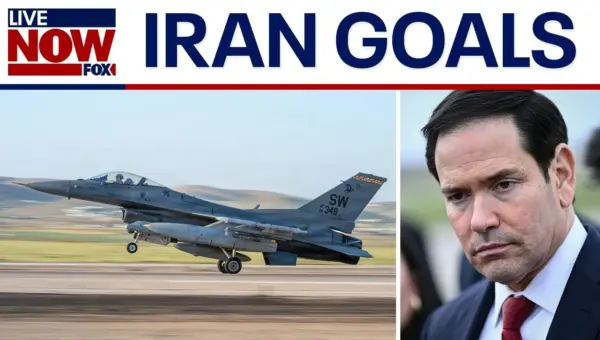
Rubio: US Can Achieve Iran War Goals Without Troops
Senator Marco Rubio outlined a strategy to counter Iran without deploying U.S. ground troops, focusing on weakening the regime and enhancing maritime security. He also criticized Cuba's economic system and expressed concerns about West Bank violence.

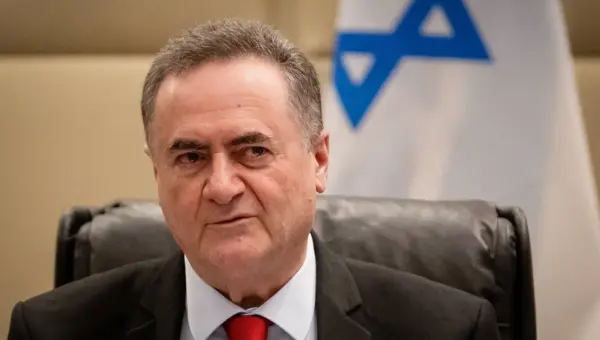
Israel Escalates Iran Strikes, Warns of Wider War
Israel has launched significant strikes inside Iran following continued missile fire, warning of further escalation. The conflict risks wider regional instability and economic disruption, especially concerning the Strait of Hormuz.