Tulsi Gabbard Grilled Over Iran Threat Claims
Director of National Intelligence Tulsi Gabbard faced tough questions in Congress about the justification for the war with Iran. Her testimony came under fire for omitting key details that contradicted the claim of an "imminent threat" and for suggesting the President's word outweighs intelligence assessments.

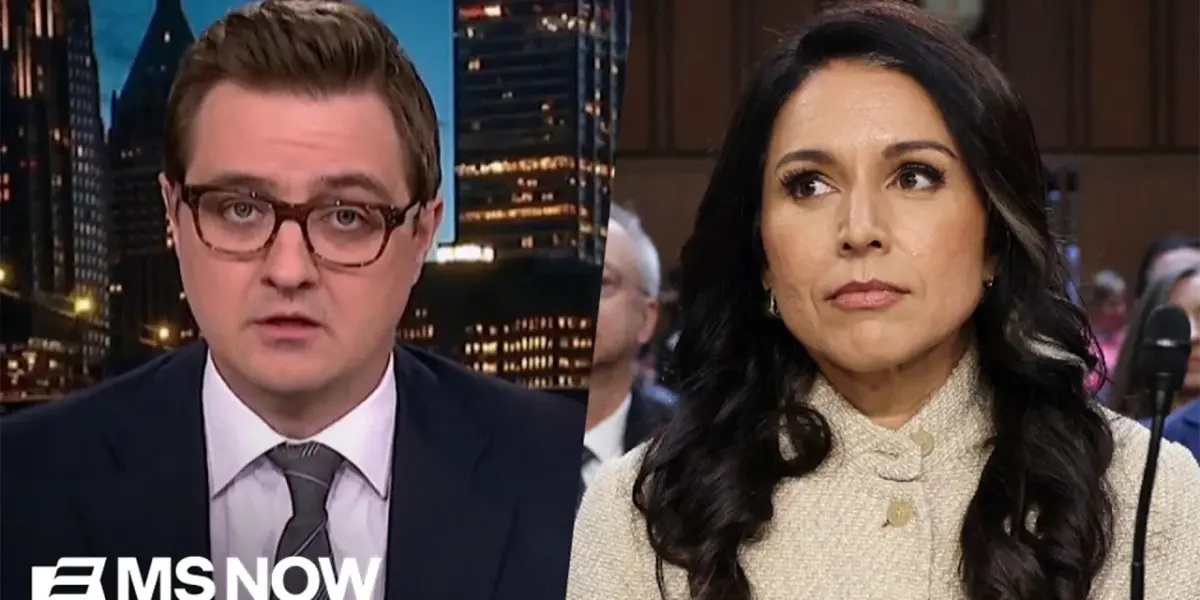
Gabbard Faces Scrutiny Over Iran War Justification
Tulsi Gabbard, the Director of National Intelligence under Donald Trump, faced tough questions from Congress this week regarding the U.S. stance on a war with Iran. Her testimony before the Senate Intelligence Committee came just days after her own counterterrorism chief resigned, citing a lack of evidence that Iran posed an imminent threat.
Past Stance vs. Present Role
Gabbard’s current position is a stark contrast to her political identity just a few years ago. In 2019, then-Congresswoman Gabbard built a significant part of her presidential campaign brand on opposing interventionist wars, particularly with Iran. Her campaign even sold t-shirts with the slogan, “No War with Iran.” Now, in one of the highest intelligence roles, she finds herself defending a war that contradicts her previous public statements.
Contradictory Intelligence Assessments
The core of the debate centers on whether Iran presented an “imminent threat” to the United States, the justification used for military action. Joe Kent, Gabbard’s former counterterrorism chief, publicly stated that he saw no intelligence indicating such a threat. When questioned by Senator John Ossoff of Georgia, Gabbard suggested that only the President can determine what constitutes an imminent threat, a statement that Ossoff challenged.
“Was it the assessment of the intelligence community that there was a, quote, imminent nuclear threat posed by the Iranian regime, yes or no?” Senator Ossoff asked. Gabbard responded, “Senator, the only person who can determine and what is and is not an imminent threat is the president.”
This exchange highlights a fundamental disagreement about the role of the intelligence community. Ossoff argued that the intelligence community’s purpose is to provide timely, objective assessments, independent of political influence. He questioned why the U.S. spends billions on intelligence agencies if their findings are secondary to presidential determination.
Omitted Paragraph Sparks Controversy
Further complicating matters, Senator Mark Warner of Virginia pointed out a significant omission in Gabbard’s prepared testimony. A paragraph detailing how an operation called “Midnight Hammer” had obliterated Iran’s nuclear enrichment program, with no subsequent efforts to rebuild, was present in the written remarks but skipped during her oral delivery.
This missing section directly contradicted the narrative of an active, imminent nuclear threat from Iran. When questioned, Gabbard stated she ran out of time, a reason Senator Warner found questionable, suggesting the omission was convenient for aligning with President Trump’s position.
The “King’s Will” Over Facts
The implication of these events is that the intelligence community’s findings may be secondary to the President’s conclusions. Gabbard’s public response to Kent’s resignation seemed to reflect this, stating, “As our Commander-in-Chief Donald Trump is responsible for determining what is and is not an imminent threat… President Trump concluded that the terrorist Islamist regime in Iran posed an imminent threat and he took action based on that conclusion.” This suggests that for the current administration, reality can be shaped by the President’s will.
Costs and Consequences of the War
The conflict, described as a “war of choice,” has already resulted in significant human and economic costs. Reports indicate that 13 U.S. service members have lost their lives, with approximately 1,400 people killed in Iran and over 3 million displaced. Neighboring Lebanon has also seen widespread destruction and displacement, with nearly 1,000 deaths and over a million people displaced.
The economic impact is also growing. Israel recently struck a major gas field in Iran, prompting retaliatory attacks on Saudi oil refineries and Qatar’s liquefied natural gas facilities. With the Strait of Hormuz closed to non-Iranian ships, gas prices are expected to rise further. The Pentagon is reportedly seeking an additional $200 billion from Congress to fund the ongoing conflict.
Looking Ahead
As the conflict continues, attention will remain on the intelligence community’s role and its relationship with political leadership. Questions about the basis for the war and the transparency of intelligence assessments will likely persist. The economic fallout and the human toll in the region will also be critical factors to watch as the situation unfolds.
Source: Gabbard BUSTED for omitting key Iran line that contradicted Trump (YouTube)

Related Articles


Senate Passes DHS Funding, Easing Airport Chaos Amid Shutdown
The Senate has passed a bill to fund the Department of Homeland Security, offering relief to TSA officers facing missed paychecks and aiming to ease airport chaos. Meanwhile, a near-miss incident involving a passenger plane and helicopter in Los Angeles is under investigation. TODAY's Savannah Guthrie shared her enduring faith and hope amidst her mother's disappearance, announcing her return to the show on April 6th.

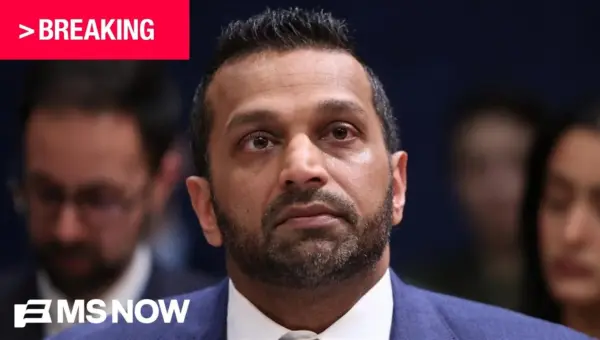
Iran Hackers Target Kash Patel’s Emails, Raise Security Concerns
Iran-linked hackers have claimed to breach FBI Director Kash Patel's personal emails, releasing photos and documents. Experts warn of Iran's sophisticated cyber capabilities and potential national security risks. The incident occurs amid heightened U.S.-Iran tensions and debates over military strategy.
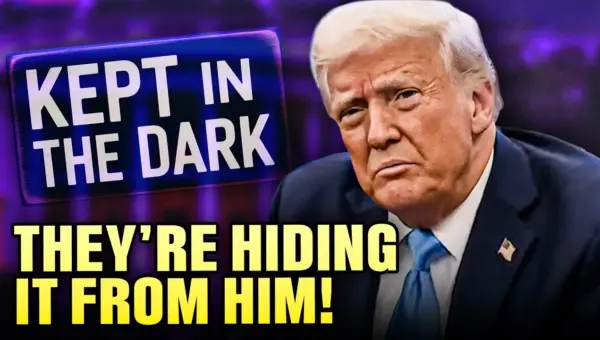
Advisors Shield Trump From War Truths, Fueling Danger
President Trump is reportedly being fed a diet of manipulated information regarding the war with Iran. Advisors allegedly curate video updates to show only U.S. successes, while downplaying or hiding setbacks. This deliberate 'cocoon of ignorance' prevents Trump from seeing the full picture, leading to potentially dangerous decisions and a distorted view of reality.