Tulsi Gabbard Faces Scrutiny Over Iran Intel in Heated Hearing
Intelligence officials, including Tulsi Gabbard, faced intense questioning over the justification for potential military action against Iran. Concerns arose as officials repeatedly deferred answers and a key paragraph was omitted from prepared remarks, seemingly to align with the President's narrative of an imminent threat.

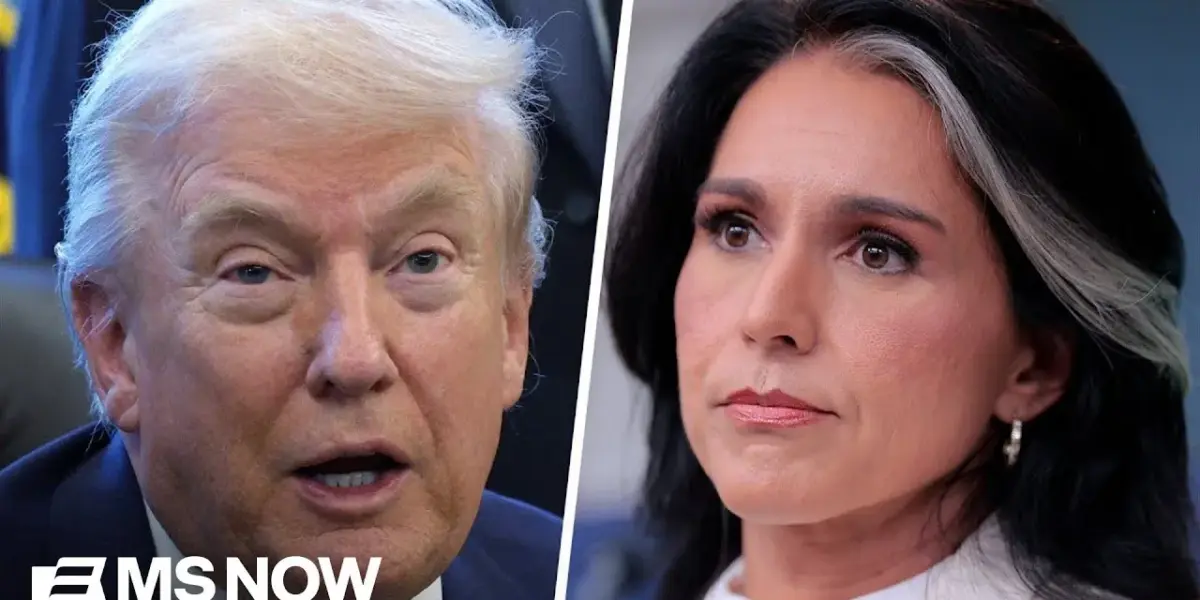
Intelligence Officials Grilled on Iran War Justification
A recent congressional hearing saw intelligence officials, including former Representative Tulsi Gabbard, facing tough questions regarding the intelligence shared with President Trump about a potential war with Iran. Several officials appeared hesitant to provide direct answers, often deferring discussions to private sessions. This pattern raised concerns among lawmakers about the transparency and objectivity of the intelligence presented to justify military action.
During the hearing, military officials were pressed on whether air power alone could achieve the Trump administration’s goals in Iran. Many dodged the question, avoiding a direct response. CIA Director John Ratcliffe was also questioned about his trust in Vladimir Putin, especially concerning Russia’s alleged sharing of intelligence with Iran. Ratcliffe’s response, stating he does not trust Putin, was noted as extraordinary by observers, though he, too, later suggested discussing specifics in a private setting.
The situation puts intelligence and military personnel in a difficult position, as they are expected to provide objective assessments. However, statements and claims made by the President reportedly create an awkward environment, forcing officials to navigate between providing accurate intelligence and aligning with the administration’s narrative.
Gabbard Accused of Omitting Key Information
Concerns were amplified when Senator Mark Warner accused Tulsi Gabbard of omitting a crucial section from her prepared opening statement. The missing paragraph stated that Iran’s nuclear enrichment program was “obliterated” as a result of “Operation Midnight Hammer” and that Iran had made no efforts to rebuild its enrichment capability.
Gabbard explained that she skipped the section due to time constraints. However, critics argued that this omission, and her substitution of it with remarks suggesting Iran was being “recalcitrant” and needed to justify the attack, served to align her statement with the President’s claims of an imminent threat. This change appeared to retroactively justify the attack on Iran, contradicting the original prepared text.
“She not only admitted that section of her prepared opening remarks. She actually substituted it with something that said something different.”
Annual Threat Assessment Sparks Controversy
The release of the intelligence community’s annual threat assessment coincided with the hearing, adding another layer of controversy. The unclassified document, which prioritizes threats to the United States, surprisingly led with border security and transnational criminal organizations. This ranking puzzled many, especially given the ongoing conflict with Iran, as it did not reflect the perceived priorities of intelligence professionals.
Critics noted that crucial threats, such as cyber warfare and foreign interference in American elections through social media manipulation, were relegated to later pages or barely discussed. This was seen as a result of the intelligence community’s decision to dismantle foreign threat task forces at the FBI and DNI, reportedly because President Trump disliked their findings.
Democrats, like Senator Warner, believe these foreign influence operations remain a significant problem. The shift in focus within the threat assessment was interpreted by some as a reflection of the Trump administration’s political priorities rather than an objective evaluation of national security risks.
Conflicting Views on Iran’s Nuclear Ambitions
The hearing also highlighted differing perspectives on Iran’s nuclear ambitions. While the President asserted an imminent threat, former top national security official Joe Kent, who resigned over the war, stated he did not believe such a threat warranted going to war with Iran. Kent, a Trump supporter, expressed his disagreement with the administration’s stance.
When pressed on Kent’s assessment, CIA Director Ratcliffe indicated intelligence suggested otherwise, implying Iran continued its pursuit of nuclear capabilities and ballistic missiles. However, during a later exchange, Senator Jon Ossoff questioned Gabbard repeatedly about the imminent threat posed by Iran. Gabbard responded that the intelligence community assessed Iran’s intention to rebuild its nuclear program, but ultimately stated that only the President could determine what constitutes an imminent threat.
This exchange underscored the difficulty in translating intelligence assessments into definitive justifications for war, especially when political considerations appear to influence the interpretation of that intelligence. The reliance on the President’s sole authority to define an imminent threat was a point of contention.
Broader Implications and Public Confusion
For the average American seeking to understand the nation’s security threats and the administration’s approach, the hearing proved confusing. Officials, expected to be objective, were perceived by some as “cowtowing” to President Trump, shading their answers to please him rather than providing a frank assessment.
The diminished focus on threats from China, a former signature foreign policy issue for Trump, and the sidelining of the Russia-Ukraine war in the threat assessment further added to the sense of shifting priorities. These changes left many wondering about the true national security landscape and how it is being shaped by political influence.
What to Watch Next
Moving forward, the focus will likely remain on the transparency of intelligence shared with the President and its use in justifying military actions. Congress will continue to scrutinize the intelligence community’s assessments and its independence from political pressures. The public’s understanding of national security threats may depend on the ability of officials to provide clear, objective information, free from partisan influence. Future hearings and the content of subsequent threat assessments will be crucial in determining whether a more balanced and transparent approach to intelligence reporting will emerge.
Source: Democrats grill Gabbard on Iran intel shared with Trump (YouTube)

Related Articles


Israel Escalates Iran Strikes, Warns of Wider War
Israel has launched significant strikes inside Iran following continued missile fire, warning of further escalation. The conflict risks wider regional instability and economic disruption, especially concerning the Strait of Hormuz.

TSA Funding Fight Sparks Airport Chaos, Worker Exodus
TSA officers will soon receive back pay after President Trump signed an emergency order, but the ongoing congressional funding fight continues to cause airport chaos. Long security lines and a significant number of TSA officer resignations highlight the deep divisions over border security measures, leaving travelers frustrated.
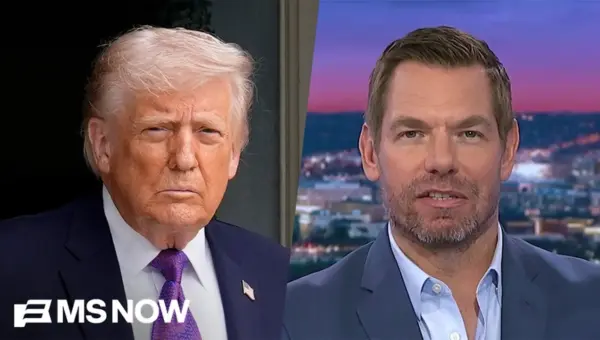
Trump’s Iran War Plans Criticized Amid Border Funding Standoff
Lawmakers and analysts are criticizing the Trump administration's handling of the Iran conflict and its approach to border funding, arguing that a lack of clear planning and a focus on political battles are making the U.S. less safe. Concerns are particularly high regarding the FBI's priorities and the potential impact of these issues on national security.