Tulsi Gabbard Dodges Iran “Imminent Threat” Question
Director of National Intelligence Tulsi Gabbard faced intense questioning about the "imminent threat" posed by Iran during a key hearing. Her refusal to directly confirm the intelligence community's assessment, coupled with a former counterterrorism official's resignation, has sparked debate over the war's justification. Meanwhile, escalating military actions and the closure of the Strait of Hormuz continue to raise global concerns.

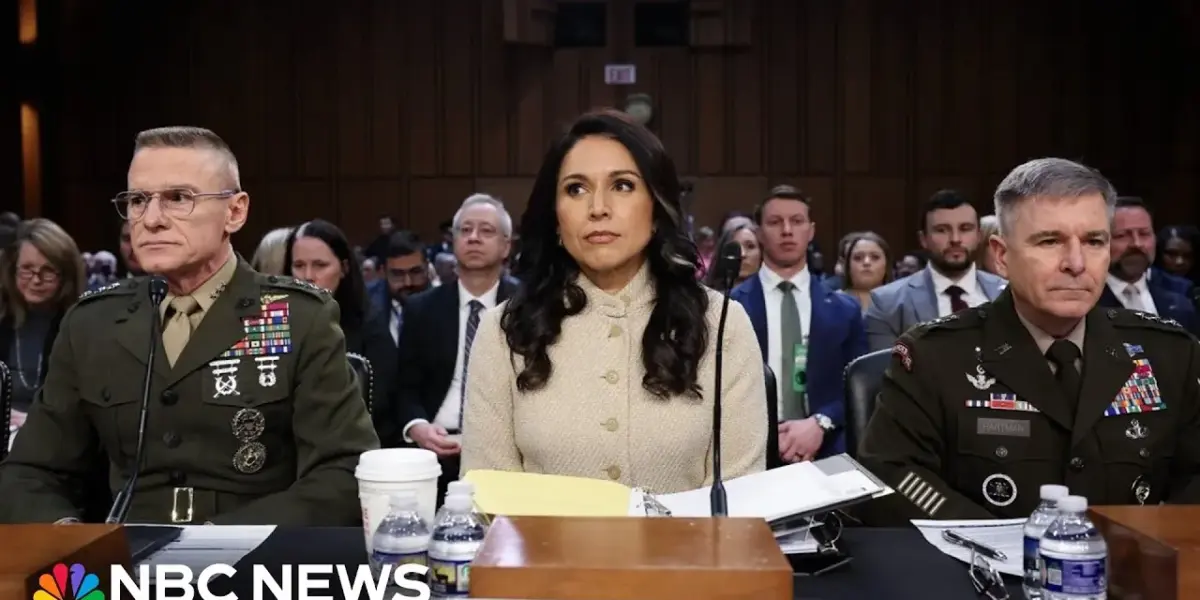
Tulsi Gabbard Declines to Confirm Iran “Imminent Threat”
During a tense Worldwide Threats hearing on Capitol Hill, Director of National Intelligence Tulsi Gabbard faced sharp questioning regarding the administration’s justification for military strikes against Iran. Specifically, Democratic senators pressed Gabbard on whether U.S. intelligence assessed that Iran posed an “imminent threat,” a key reason cited by the President for launching the operations. Gabbard’s responses, or lack thereof, have raised significant questions about the intelligence community’s independent assessment.
Intelligence Community’s Role Questioned
The core of the dispute centered on a paragraph from Gabbard’s prepared opening statement that was not delivered orally. This omitted section stated, “As a result of Operation Midnight Hammer last summer, Iran’s nuclear enrichment program was obliterated. There has been no efforts since then to try to rebuild their enrichment capability.” When questioned about this omission, Gabbard cited time constraints, stating, “I recognized that the time was running long, and I skipped through some of the portions.”
However, senators argued that this was a selective omission. Senator [Senator’s Name, not provided in transcript] directly asked, “You chose to omit the parts that contradict the President.” The exchange escalated when the senator pressed for a simple “yes or no” answer on whether the intelligence community assessed an “imminent nuclear threat posed by the Iranian regime.” Gabbard repeatedly deferred, stating, “The only person who can determine what is and is not an imminent threat is the President.” This response was met with frustration, with the senator emphasizing that the hearing’s purpose is to present “timely, objective and independent of political considerations” national intelligence.
Resignation Fuels “Imminent Threat” Doubts
Adding another layer to the controversy, the hearing followed the resignation of Joe Kent, the Director of National Counterterrorism Center. Kent reportedly resigned over the war with Iran, stating his belief that Iran did not pose an imminent threat. When CIA Director John Ratcliffe was asked about Kent’s resignation, he disagreed with Kent’s assessment. Ratcliffe stated, “The intelligence reflects the contrary,” indicating a division within the intelligence community or differing interpretations of the intelligence.
Escalating Conflict and Strait of Hormuz Concerns
The hearing took place amidst escalating military actions. U.S. forces used “bunker buster” bombs to strike Iranian missile sites near the Strait of Hormuz. Israel also reported killing Iran’s Intelligence Minister, an act confirmed by Iran’s President, who called the deaths “cowardly assassinations.” In retaliation, Iran fired cluster munitions over Tel Aviv.
Courtney Kube, NBC News Senior National Security Correspondent, provided context on the military operations. She confirmed that many of Iran’s conventional capabilities, including ballistic missiles, drones, and naval assets, have been degraded. However, she noted that Iran still possesses drones and other threats like fast boats capable of swarming attacks. The strikes on missile sites near the Strait of Hormuz were described as operationally significant wins, but Kube cautioned that they would not immediately reopen the vital shipping lane.
Allies Hesitate to Secure Strait of Hormuz
The situation in the Strait of Hormuz remains a critical concern. President Trump had sought to build a coalition of allies to help secure the waterway, but as of Wednesday, no allies had publicly committed to participating. Kube suggested that a mistrust of allies within the current administration might have hindered coalition-building efforts. She also pointed out that the danger of navigating the Strait currently makes it unappealing for any navy, regardless of origin, to get involved.
Garrett Haake, NBC News White House Correspondent, reported on the evolving messaging from the White House. The President’s stance on who should be responsible for the Strait has shifted, from suggesting the U.S. Navy would handle it, to reaching out to allies, to asserting the U.S. doesn’t need their help, and finally suggesting other countries should take responsibility. Haake noted that this reflects the difficulty of the problem and the reluctance of nations to be at the forefront of a potential military confrontation.
Internal Divisions and Solemn Tributes
The transcript also touched upon potential internal divisions within the administration. While Vice President J.D. Vance was initially reportedly skeptical of the war, his public statements now align with trusting the President’s decisions. Vance stated, “I guarantee the President, United States is not interested in getting us, you know, in the kind of long term quagmires that we’ve seen in years past.”
In a solemn event, President Trump attended a dignified transfer for six U.S. service members who died when a KC-135 crashed in the Iraqi desert. The ceremony was closed to the press at the families’ request.
Israeli Operations and Iranian Retaliation
Matt Bradley, NBC News International Correspondent, detailed the assassination of Iran’s Intelligence Minister, Ismail al-Khatib, by Israel. Bradley explained the minister’s significant role in suppressing dissent and controlling internal messaging. The deaths of several high-ranking Iranian officials in recent days were seen as potentially making the goal of finding a cooperative leader for Iran even more elusive for Western countries.
Bradley also described the experience of cluster munitions being fired over Tel Aviv, noting that while Israel is not a party to the treaty banning their use, the primary concern remains the larger ballistic missiles. These weapons, which do not break apart, pose a significant threat to Israel’s security.
Looking Ahead
The ongoing conflict raises critical questions about the intelligence used to justify military action, the administration’s diplomatic strategy regarding allies, and the potential for further escalation in the Middle East. The world will be watching to see how these tensions unfold and whether a diplomatic resolution can be found amidst the escalating military actions.
Source: Tulsi Gabbard declines to say if Iran posed ‘imminent threat’ to the U.S. (YouTube)

Related Articles

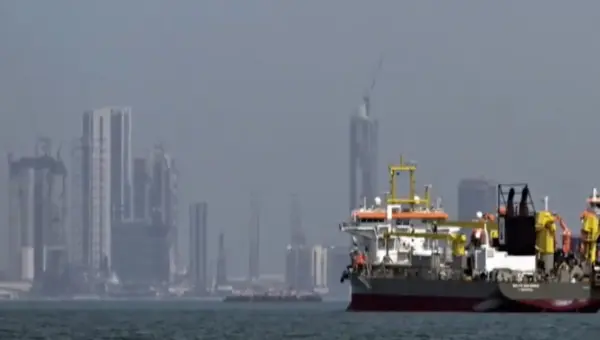
Iran Blocks China Ships, Exposing Beijing’s Weak Grip
Iran's recent decision to block Chinese ships at the Strait of Hormuz is exposing the limits of Beijing's influence in the Middle East. This action is causing delays and cancellations for Chinese manufacturers, turning a perceived geopolitical win into an economic strain.
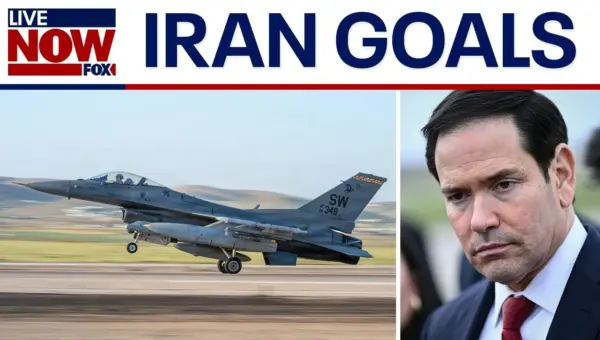
Rubio: US Can Achieve Iran War Goals Without Troops
Senator Marco Rubio outlined a strategy to counter Iran without deploying U.S. ground troops, focusing on weakening the regime and enhancing maritime security. He also criticized Cuba's economic system and expressed concerns about West Bank violence.


Israel Escalates Iran Strikes, Warns of Wider War
Israel has launched significant strikes inside Iran following continued missile fire, warning of further escalation. The conflict risks wider regional instability and economic disruption, especially concerning the Strait of Hormuz.