Tulsi Gabbard Defies Trump on Iran War Justification
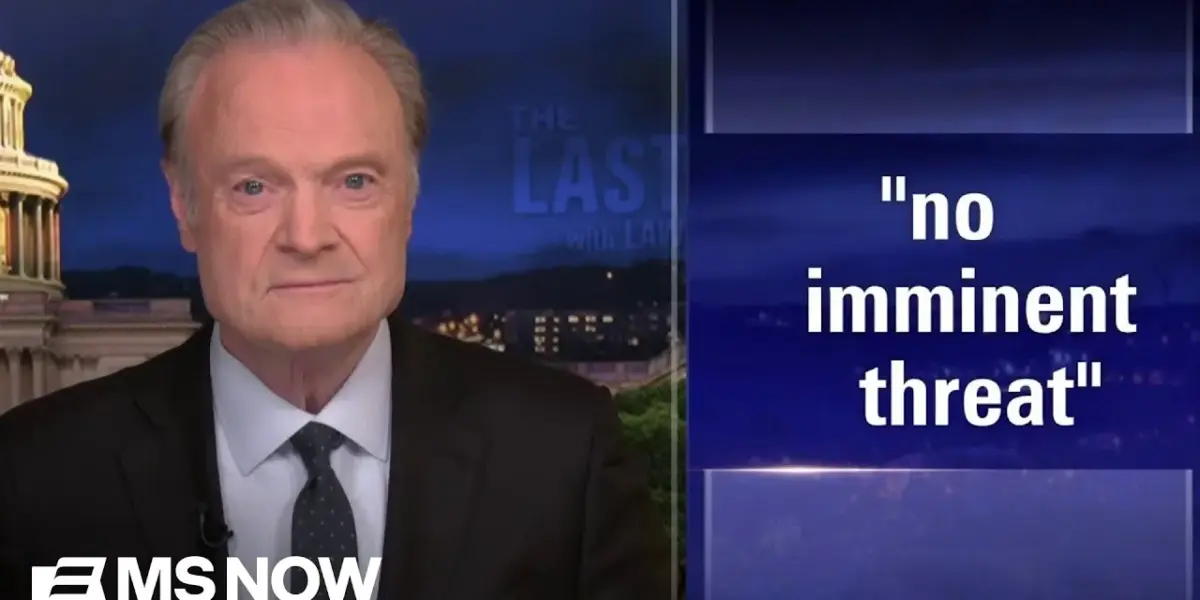
Tulsi Gabbard, Director of National Intelligence, has publicly refused to confirm President Trump's claim of an "imminent threat" from Iran justifying a new war. Her stance, made during Senate testimony, aligns with a former intelligence chief who resigned over the same issue. The article explores the human cost of the conflict and the economic fallout, questioning the administration's rationale.

Dover Air Force Base Ceremony Highlights War’s Human Cost
The somber ceremony at Dover Air Force Base for six Air Force personnel killed in a refueling plane crash marked a stark reminder of the human toll of conflict. Among those honored was Air Force Sergeant Tyler Simmons, 28, of Columbus, Ohio. President Donald Trump attended this ceremony, a departure from his absence at a previous dignified transfer of fallen soldiers. The event was closed to the press at the families’ request, but the grief of Sergeant Simmons’ family was palpable.
Family Blames War for Son’s Death
Sergeant Simmons’ grandmother and cousin voiced their anguish, stating, “Not only our family, but there are other families that lost loved ones just to create a war because you want to create a war. It’s not right.” Sergeant Simmons’ mother shared her heartbreak in an interview, describing the devastating moment she learned of her only child’s death, saying, “And it was, you know, from there on life would never, ever, ever be the same. It will never be the same.” The family’s profound grief was compounded by their belief that there was no imminent threat from Iran justifying the conflict.
Intelligence Chief Resigns Over Lack of Imminent Threat
This sentiment was echoed by Donald Trump’s own Director of the National Counterterrorism Center, who resigned and publicly stated there was no imminent threat that justified the war in Iran. Joe Kent, a former intelligence official, resigned on Tuesday, citing this critical disagreement. Kent, who had been a strong supporter of Donald Trump, worked within the intelligence community where Director of National Intelligence Tulsi Gabbard was a key figure.
Gabbard Refuses to Validate Trump’s War Justification
During Senate testimony, Tulsi Gabbard was presented with an opportunity to publicly agree with President Trump’s assertion of an imminent threat from Iran. She notably refused to do so, both in response to Joe Kent’s resignation letter and during her Senate testimony. When asked directly if the intelligence community assessed an “imminent nuclear threat posed by the Iranian regime,” Gabbard stated, “The only person who can determine what is and is not an imminent threat is the president.” This stance put her at odds with the President’s public statements.
Gabbard’s Senate Testimony Under Scrutiny
The worldwide threats hearing was intended to present Congress with timely, objective intelligence assessments, independent of political considerations. Senator questioning highlighted a discrepancy: Gabbard’s written testimony stated that Iran’s nuclear enrichment program was “obliterated” with no efforts to rebuild. However, when pressed to confirm if the intelligence community assessed an imminent threat despite this, Gabbard repeatedly deflected, stating it was the president’s role to determine the threat based on the information he receives. This led to accusations of evading a direct answer to avoid contradicting the White House.
“It would have been so easy for Tulsi Gabbard to say, I agree with the president’s judgment that there was an imminent threat. She refused to do that, refused to tell that lie for Donald Trump.”
Questions Arise About Gabbard’s Future
The author of the report suggests that Gabbard’s refusal to validate Trump’s claims constitutes defiance rather than protection. The question now is whether this public disagreement will have consequences for her position. Her assertion that only the president can determine an imminent threat was labeled as potentially false and even perjury by critics, given the nature of intelligence assessments presented to Congress.
Intelligence on Russian Involvement and Iranian Actions
Gabbard was also questioned about reports of Vladimir Putin aiding Iran in targeting American military personnel. She indicated that such information would be more appropriate for a closed session. While she could not confirm intelligence sharing, she noted that any support Iran might be receiving is not hindering its operational effects, a statement interpreted by some as indirectly confirming some level of support. She also appeared to sidestep questions about President Trump’s surprise regarding Iran closing the Strait of Hormuz, stating she was unaware of those remarks. This, along with her omission of key details from her opening statement, raised further questions about her testimony.
Economic Impact of the Conflict
The article links the initiation of the war to rising oil and gasoline prices, with average prices nearly a dollar higher than the previous month. Despite this economic impact, the article quotes a chief economic advisor downplaying the concern, stating that the U.S. economy is fundamentally sound and that the conflict’s extension would not significantly disrupt it. This perspective was contrasted with the views of consumers, like Amanda Robbins, a Trump voter who expressed frustration with the rising costs.
Looking Ahead
The situation highlights a significant rift between the President’s justifications for military action and the assessments provided by intelligence officials. Tulsi Gabbard’s refusal to align with the White House narrative on the imminent threat from Iran sets a significant precedent. Future developments will likely focus on any official actions taken regarding Gabbard’s position and the ongoing economic and human costs of the conflict in Iran.
Source: Lawrence: Gabbard defying, not protecting Trump, in refusing to agree Iran posed imminent threat (YouTube)

Related Articles

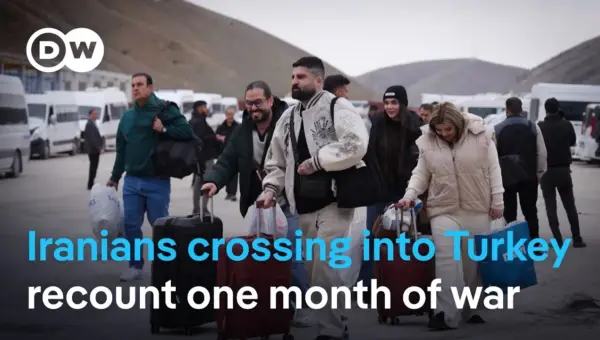
Iran War Exodus: Refugees Flee to Turkey Amidst Bombings
A train from Tehran brings refugees to Turkey, fleeing daily bombings and economic collapse. Many express deep fear for loved ones left behind, while some hold onto national pride and hope for victory. The conflict's impact is also felt economically in Turkey, with rising gas prices.
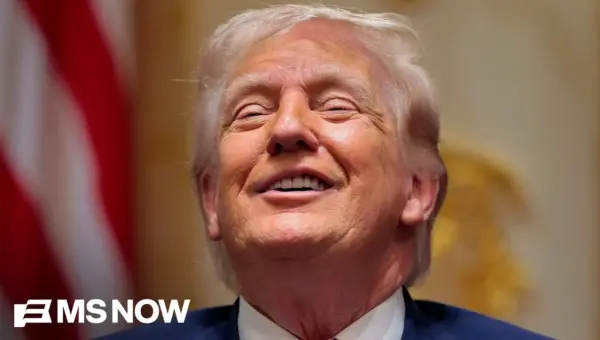
Trump’s Name Everywhere: A ‘Stain’ on GOP Legacy?
Former President Donald Trump's efforts to brand national symbols, including a proposed signature on dollar bills, spark debate. Critics view this as an authoritarian attempt to embed his legacy, potentially staining the Republican Party's history and contrasting with democratic ideals of public ownership.
Trump’s War Talk Stuns Financial Crowd
Donald Trump's recent speech in Miami focused on his foreign policy, particularly his critical views on NATO and his vision for international relations. He declared the U.S. would no longer defend NATO allies, questioned the value of existing alliances, and suggested renaming the Strait of Hormuz. The speech also touched on his personal views of success, his allies, and his perceived role as a global peacemaker.