Tuberville Faces Crisis: Does He Even Live in Alabama?
Senator Tommy Tuberville is facing a lawsuit questioning his residency, a key requirement for his Alabama gubernatorial run. His opponent claims Tuberville doesn't meet the seven-year residency rule. This legal challenge could derail his political future.

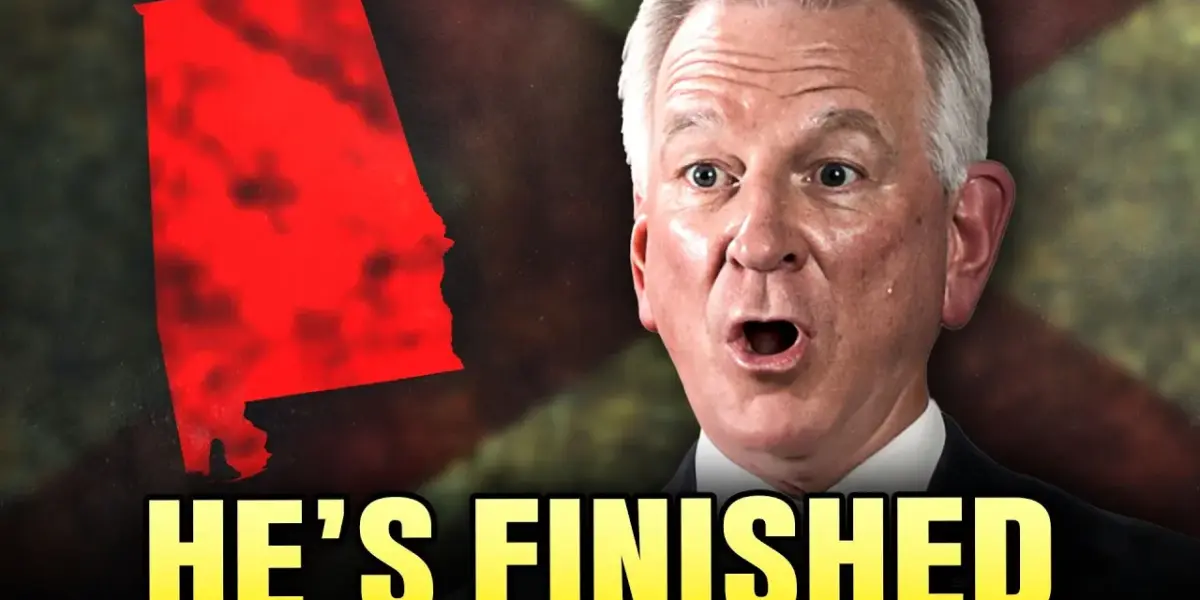
Tuberville Faces Crisis: Does He Even Live in Alabama?
Senator Tommy Tuberville, a figure already known for controversial statements, is now facing a serious challenge to his political future. His bid to become the next governor of Alabama is under fire due to questions about his residency. This situation could have major consequences for his career and for Alabama politics.
A Challenge to Residency
Tuberville, a former college football coach, announced his intention to run for governor, aiming to return to his home state. However, his Republican primary opponent, Ken McFeders, has filed a lawsuit questioning Tuberville’s eligibility. The core of the lawsuit is a state requirement that a candidate for governor must have lived in Alabama for at least seven years before the election.
McFeders stated that while he understands the excitement of having a well-known candidate, the governing committee must follow the rules and examine the facts. He believes Tuberville does not meet the residency requirement to run for governor.
The Florida Connection
For years, it has been an open secret that Tuberville does not own a home in Alabama. Instead, he owns a home on Florida’s Emerald Coast, a scenic area known for its beautiful beaches. This Florida residence has reportedly been his main home, even while he has served as a senator representing Alabama. Adding to the questions, Tuberville’s wife reportedly gave up her Alabama real estate license and obtained one in Florida, suggesting a clear focus on living in that state.
When these residency questions began to surface publicly about two years ago, Tuberville reportedly took a step to address the issue. He went back to Auburn, Alabama, a city where he previously coached football. He then claimed a home there, which is in his son’s name, as his official address. However, reports suggest he never actually lived there, continuing to reside in his Florida home.
Legal Battle and Political Fallout
McFeders’ lawsuit argues that Tuberville has not met the seven-year residency rule. The legal challenge has gained traction, with some believing it has a real chance of removing Tuberville from the ballot. If successful, this lawsuit could end Tuberville’s gubernatorial ambitions before they truly begin.
The situation highlights a recurring theme in Tuberville’s career. Critics point out that he has a history of abandoning commitments. His past in college football coaching involved leaving several teams. This lawsuit raises concerns for some voters about whether he would be a dedicated leader for Alabama if elected governor, suggesting he may have already abandoned the state’s interests.
Why This Matters
This legal battle goes beyond a simple residency dispute. It touches upon the fundamental requirements for public office and the trust voters place in their elected officials. For Alabama, a state that has faced significant economic and social challenges, the qualifications and commitment of its leaders are crucial. The United Nations has previously compared poverty levels in parts of Alabama to those in undeveloped nations, underscoring the need for effective governance.
The controversy also reflects broader discussions about political accountability and the importance of adhering to established rules. If Tuberville is found to have misrepresented his residency, it could damage his credibility and impact the Republican primary race. It also forces Alabamians to consider what they expect from their candidates and whether past actions in other fields, like coaching, predict future performance in public service.
Historical Context and Future Outlook
The idea of residency requirements for political office is not new. Historically, these rules were put in place to ensure that candidates have a genuine connection to the communities they seek to represent. This prevents outsiders from easily gaining power without understanding local issues or having a stake in the community’s future.
For Tuberville, this challenge comes at a critical point in his political career. After serving in the Senate, a run for governor is a significant step. The outcome of this lawsuit could determine whether he remains a prominent political figure or faces a premature end to his public service ambitions. The situation serves as a reminder that even well-known politicians are subject to the laws and regulations that govern elections.
Looking ahead, this case could set a precedent for future candidate eligibility challenges in Alabama. It will be important to watch how the courts handle the evidence and what this means for the upcoming election. Regardless of the outcome, the questions raised about Tuberville’s residency will likely follow him, impacting how voters perceive his candidacy and his commitment to Alabama.
Source: Tommy Tuberville’s In MAJOR Trouble as Career Spirals (YouTube)

Related Articles
Senator: Iran Talks Are ‘Nonsense’, Trump Will Win
Senator Tommy Tuberville calls Iran talks 'absolute nonsense,' accusing Democrats of prioritizing power over progress. He believes President Trump's assertive strategy will lead to a decisive win, despite ongoing regional instability and oil market concerns.
Senator Tuberville Slams Opponents’ ‘Stupid’ Tactics
Senator Tommy Tuberville sharply criticized political opponents, calling their tactics "stupid" and counterproductive. He discussed economic policies, foreign funding, and advocated for using budget reconciliation to pass key Republican initiatives, arguing it's the only way to overcome opposition.


Trump Eyes Iran Invasion as Fox Pushes for War
Reports indicate the Pentagon is preparing for ground operations in Iran, potentially deploying thousands of U.S. troops. Simultaneously, some Fox News hosts are actively advocating for military intervention, focusing on Iran's uranium program. This situation raises serious questions about the path to conflict and the media's role in shaping public opinion.