TSA Workers Paid as Congress Remains Divided on Funding
TSA workers are set to receive paychecks thanks to a presidential memo, bypassing a divided Congress. Meanwhile, a bipartisan Senate deal to fund the Department of Homeland Security was rejected by House Republicans, who are now pushing their own stopgap bill. The ongoing stalemate highlights deep political divisions and raises concerns about the government's ability to function effectively, impacting essential services and public confidence.

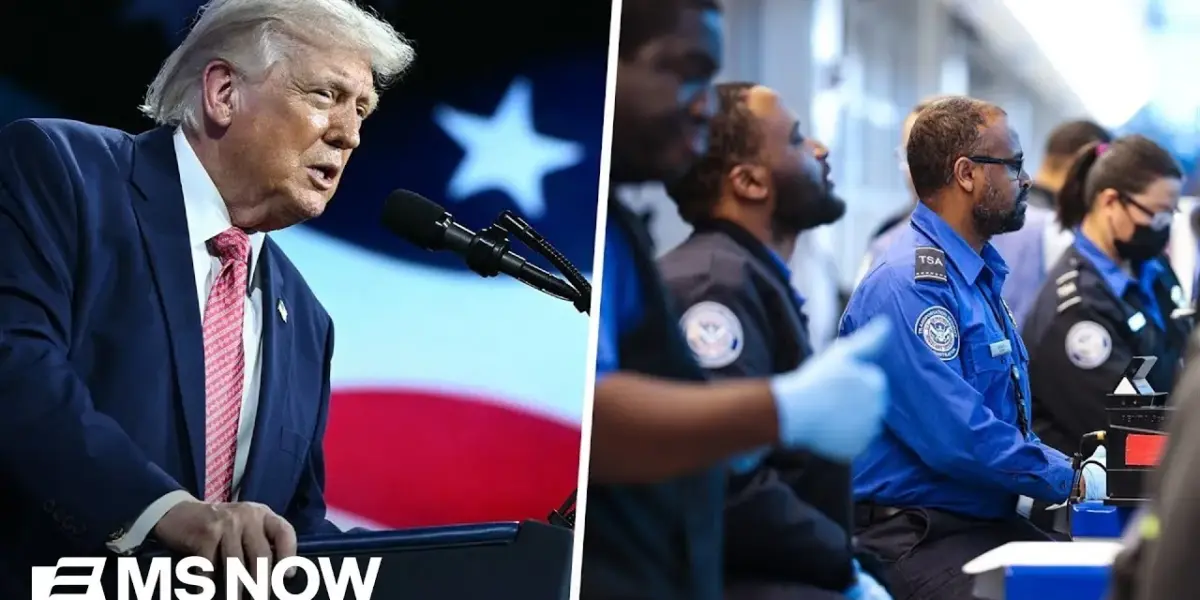
TSA Workers to Receive Pay Amidst Congressional Stalemate
TSA employees are expected to receive their paychecks as soon as Monday, following President Trump’s decision to sign a memo that allows for their unilateral payment. This action bypasses Congress, which has been locked in a funding dispute, creating uncertainty for federal workers. The Department of Homeland Security confirmed that funds with a “reasonable and logical nexus to TSA operations” will be used, though the exact source of these funds remains unclear.
Senate Deal Rejected by House Republicans
Meanwhile, a bipartisan deal in the Senate aimed at funding the Department of Homeland Security (DHS) faced a significant roadblock in the House. The Senate proposal, which passed unanimously, would have funded all DHS operations except for immigration and border enforcement. However, House Speaker Mike Johnson dismissed the deal as a “joke” and accused Democrats of holding funding negotiations hostage. This rejection has led the House to pursue its own path, preparing to send an eight-week stopgap bill to fund all of DHS to the Senate.
Senate Dismisses House Stopgap Bill
Senate Majority Leader Chuck Schumer has declared the House’s stopgap bill “dead on arrival” in the Senate. This move signals a continued impasse between the two chambers of Congress. The House is currently voting on its proposed bill, a process that appears disconnected from the Senate’s previous efforts and the urgency of the situation.
Analysis: Republican Strategy Falters
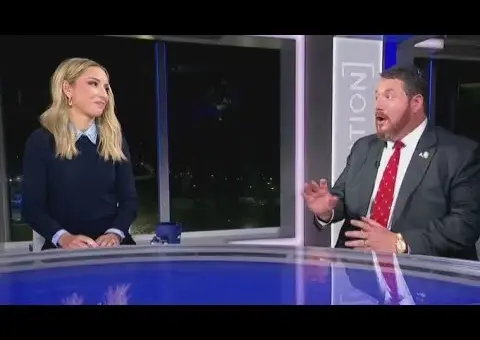
A political analyst noted that the Republican strategy of creating pressure, assigning blame, and waiting for Democrats to concede has worked in the past. However, this time, Democrats have not yielded, leading to a different outcome. The analyst suggested that Democrats can claim a victory in the Senate, where a deal was on the table that, while not granting all their demands, could have been presented as a win. The unity shown by Democrats in this instance was described as unusual and significant.
“It looks like a win because every Democrat stood together and that’s not the normal thing, right?”
Broader Implications for DHS Funding
The Senate deal, had it passed, would have still allowed Immigration and Customs Enforcement (ICE) to operate as usual, with Republicans intending to find funding through a reconciliation process without a filibuster. The House’s rejection of this compromise has prolonged the stalemate, now extending for weeks. The lack of serious attention to the shutdown’s impact has been likened to an individual refusing to pay bills due to a dispute, ignoring their obligation.
Impact on Essential Services
The rejected Senate bill would have provided funding for critical services beyond the TSA, including the Coast Guard and FEMA. With tornado season approaching in regions like Nebraska, the need for FEMA funds is highlighted. Importantly, ICE’s operations remain largely unaffected due to existing funding from a previous bill, suggesting the current dispute does not impede their core functions.
National Security Concerns and Worker Morale
Questions have been raised about the actual impact on national security and safety due to the DHS funding dispute. Experts emphasize that using law enforcement and security personnel as political pawns is detrimental. These individuals put their lives on the line, and their ability to perform their duties, whether facilitating travel or apprehending criminals, should not be compromised by political infighting. The analogy of paying troops during wartime was invoked, questioning the logic of jeopardizing essential government functions and the morale of those serving.
Real-World Consequences: Travel Chaos
The immediate real-world impact is evident in the long lines and chaos at airports, disrupting travel plans for many. This situation has led some, including journalists, to cancel personal trips, highlighting the widespread inconvenience. The frustration is palpable among travelers, many of whom blame Congress for the dysfunction.
“The airports are a mess right now. So the question is how do Democrats effectively sell this fight to voters? Because right now there’s there’s all this sound when people go into the airports and they’re saying Congress needs to get it together.”
Perception of Governance and Party Capability
The ongoing disarray has fueled public skepticism about the government’s ability to function effectively, particularly concerning the Republican party’s legislative capabilities. The situation has intensified concerns about whether the party can deliver on its promises to voters.
The “Chaos is the Plan” Argument
Some observers suggest that the current chaos is a deliberate strategy, aligning with a promise to disrupt and reform existing systems. This perspective posits that the goal is to break down the current structure before attempting to fix it. This approach, while controversial, appears to resonate with a segment of the electorate.
Upcoming Rallies and Public Sentiment
Millions of people are expected to participate in rallies across the country, voicing their concerns about the current political climate and its impact on their lives. Public sector union leaders also report widespread dissatisfaction among their members, indicating that these issues are at the forefront for many Americans, even if they are overshadowed by other national and international events.
Election Year Dynamics and Voter Accountability
As the nation heads into an election year, the effectiveness of the Democratic strategy in framing the current situation as a failure of the Trump administration and the Republican party will be crucial. The ability of Democrats to connect the ongoing disruptions to campaign promises made by Republicans—such as controlling immigration, lowering prices, and avoiding new wars—will be key. Voters will ultimately decide at the ballot box whether these issues influence their choices.
Future Outlook
The immediate future hinges on whether a resolution can be reached regarding DHS funding. The President’s unilateral action provides a temporary reprieve for TSA workers, but the underlying political divisions remain. The effectiveness of both parties in communicating their positions to the public and securing voter support will be a critical factor in the upcoming elections, shaping the direction of governance in the coming years.
Source: GOP in disarray? House blows up bipartisan deal to pay TSA workers (YouTube)

Related Articles
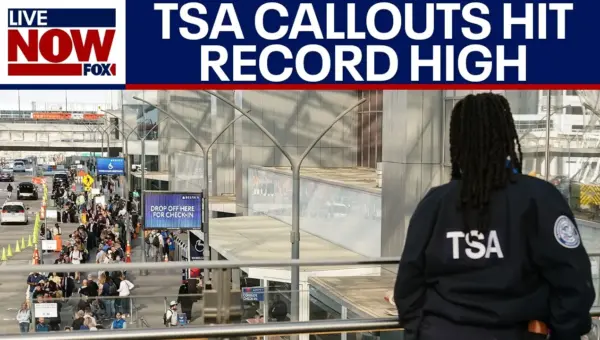
TSA Workers Get Paid After Record Absences
TSA agents will finally receive paychecks after working nearly six weeks without salary, following a directive from President Trump. Record high absences had strained airport operations and caused significant passenger delays. The situation has sparked calls for better protections for essential workers during government shutdowns.
House Republicans Reject Senate Deal, Sparking Government Funding Clash
House Republicans have rejected a Senate bill to end the government shutdown, citing insufficient border security measures. Congressman Randy Fine called the Senate deal a "disgrace" and highlighted the ongoing fight for full government funding. President Trump's executive order to pay TSA agents offers temporary relief, but the core disagreement over border security continues to paralyze Washington.


Tiger Woods Arrested for DUI After Crash
Golf legend Tiger Woods was arrested for DUI in Florida following a dramatic rollover crash. Meanwhile, a government shutdown continues as House Republicans block a Senate deal, leading to airport chaos and TSA worker pay issues. The stock market also plummeted into correction territory amid fears of a prolonged Iran conflict.