TSA Woes Mount: Shutdown Cripples Travel, Puts Security at Risk
The US travel system is facing severe disruption due to the partial government shutdown, with TSA facing critical staffing shortages. Over 50,000 TSA workers have missed paychecks, leading to increased sick calls and resignations, impacting airport security and flight operations.

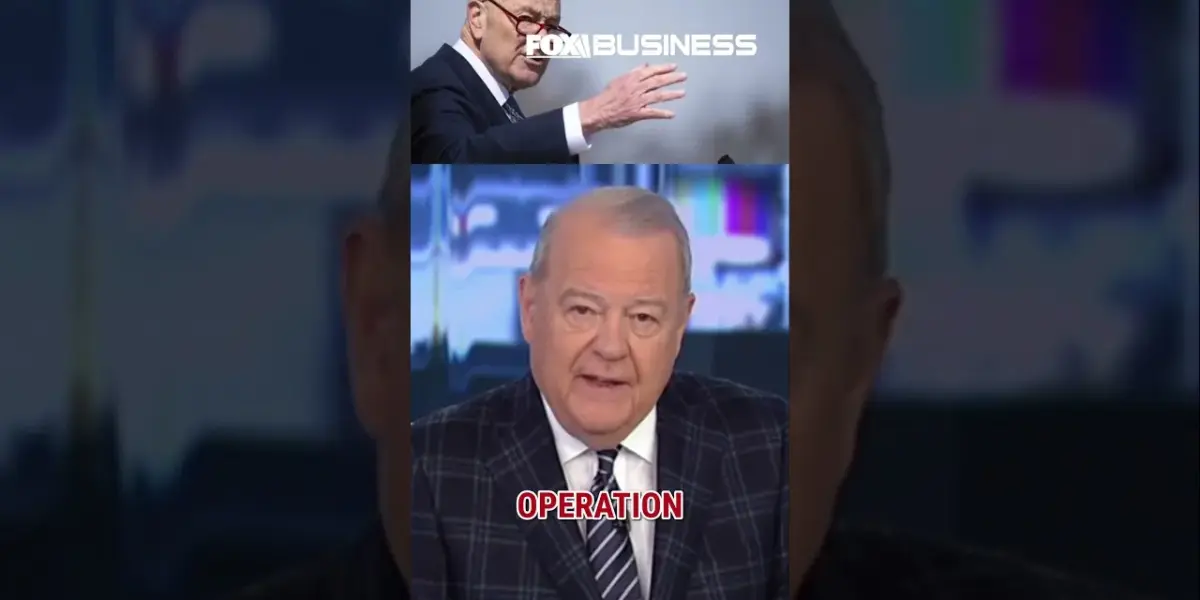
Travel Chaos Intensifies Amid Government Shutdown, TSA Shortages
The ongoing partial government shutdown has plunged the nation’s travel infrastructure into a state of crisis, with severe disruptions impacting millions of Americans. The situation has been exacerbated by extreme weather conditions, but the root cause, according to many observers, lies squarely in the political stalemate surrounding Homeland Security funding.
Airlines and Airports Under Strain
The weekend’s harsh weather, including blizzard conditions in parts of the country, compounded an already precarious situation. Over 12,000 flights have been disrupted, leading to widespread frustration among travelers. While factors such as airline operational capacity and outdated airport equipment are acknowledged, the primary driver of the travel woes is identified as political inaction.
TSA Workforce Crisis
The Transportation Security Administration (TSA) is at the epicenter of this crisis. Approximately 50,000 TSA workers have already missed at least one paycheck, with the prospect of further missed payments looming. This financial uncertainty has led to a significant exodus from the service, with hundreds of employees reportedly leaving their posts. Moreover, the number of sick calls from remaining staff is mounting, a clear indicator of the stress and dissatisfaction within the agency.
Political Finger-Pointing
When questioned about the lack of full funding for Homeland Security, Democratic leaders have pointed fingers at Republicans, accusing them of refusing to negotiate. However, this narrative is contested. Recalling past events, some reports suggest that it was Democratic Senator Chuck Schumer who initially blocked funding for Homeland Security, aiming to impose significant restrictions on Immigration and Customs Enforcement (ICE) and its deportation operations. The apparent strategy was to leverage anti-ICE sentiment for political gain, a move now seen as a perilous gamble.
Restricting security at a time like this makes no sense to the average voter, especially one who’s been standing in line for hours for a flight that might be cancelled.
Mounting Pressure for Resolution
The implications of these security lapses are stark, particularly in the wake of a recent spate of terror attacks. The notion of weakening security infrastructure when threats are present is viewed as illogical by the general public, especially those directly experiencing the debilitating effects of the shutdown through lengthy queues and flight cancellations.
Major airlines have formally communicated their concerns to Congress through a letter, urging immediate action to secure funding for TSA agents. The pressure on lawmakers to resolve the impasse is intensifying. The critical question remains: how much longer can political priorities, such as ICE reform, be placed above the safety and convenience of the traveling public?
Looking Ahead: Spring Break and Easter Travel
With spring break underway and the Easter holiday approaching, travel demand is expected to surge. This increased volume will undoubtedly place further strain on the already depleted TSA workforce and potentially lead to even greater disruptions. The resolution of the Homeland Security funding dispute is becoming increasingly urgent to prevent a complete breakdown of air travel during these peak periods.
Market Impact
The ongoing government shutdown and its impact on the TSA have broader implications for the travel and tourism sector. Reduced passenger confidence and operational disruptions can lead to financial losses for airlines, hotels, and related businesses. The uncertainty surrounding security staffing and airport efficiency could deter travel, impacting economic activity. Furthermore, any perception of weakened national security can have ripple effects across financial markets, although the direct impact from this specific TSA funding issue may be more localized to the travel industry in the short term.
What Investors Should Know
Investors in the airline and travel industries should monitor the progress of negotiations regarding Homeland Security funding closely. A swift resolution could alleviate immediate pressures and restore confidence. Conversely, a prolonged shutdown could lead to sustained operational challenges, increased costs for airlines (e.g., accommodating stranded passengers, potential compensation), and a negative impact on revenue due to reduced travel demand. Companies heavily reliant on air travel, such as hotel chains and car rental agencies, may also see their performance affected. The long-term implications hinge on whether this event leads to systemic changes in how essential government services are funded and managed, or if it remains an isolated political dispute. The potential for future disruptions remains a risk factor for companies operating within this ecosystem.
Ultimately, the prevailing sentiment suggests that public pressure will compel a resolution. The current situation is widely seen as unsustainable and detrimental to national interests and public well-being. The expectation is that a deal will be struck to fully fund the TSA and restore normal operations before the situation deteriorates further, particularly with the upcoming holiday travel seasons.
Source: Stuart Varney: Restricting security at a time like this makes no sense #shorts #us #varney #news (YouTube)

Related Articles
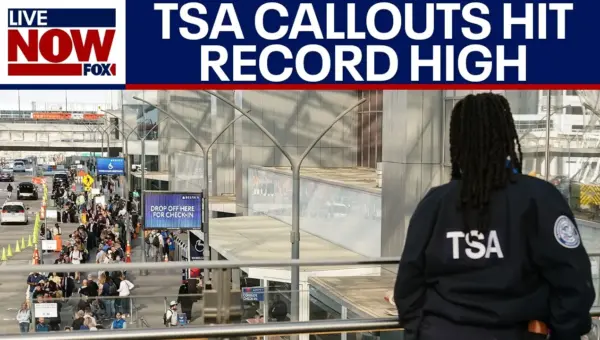
TSA Workers Get Paid After Record Absences
TSA agents will finally receive paychecks after working nearly six weeks without salary, following a directive from President Trump. Record high absences had strained airport operations and caused significant passenger delays. The situation has sparked calls for better protections for essential workers during government shutdowns.
House Republicans Reject Senate Deal, Sparking Government Funding Clash
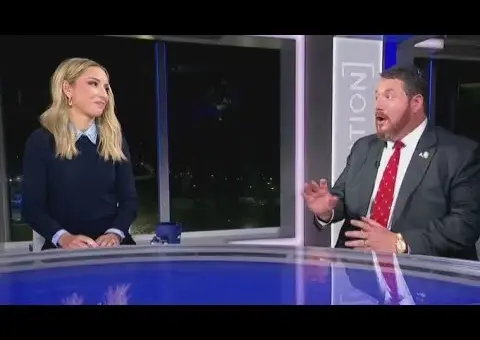
House Republicans have rejected a Senate bill to end the government shutdown, citing insufficient border security measures. Congressman Randy Fine called the Senate deal a "disgrace" and highlighted the ongoing fight for full government funding. President Trump's executive order to pay TSA agents offers temporary relief, but the core disagreement over border security continues to paralyze Washington.


Tiger Woods Arrested for DUI After Crash
Golf legend Tiger Woods was arrested for DUI in Florida following a dramatic rollover crash. Meanwhile, a government shutdown continues as House Republicans block a Senate deal, leading to airport chaos and TSA worker pay issues. The stock market also plummeted into correction territory amid fears of a prolonged Iran conflict.