TSA Warns of ‘Exponentially Worse’ Travel Chaos
TSA officials warn that travel delays will worsen "exponentially" as a potential government shutdown looms, leading to missed paychecks for essential workers. Airports could face temporary closures due to critical staffing shortages.

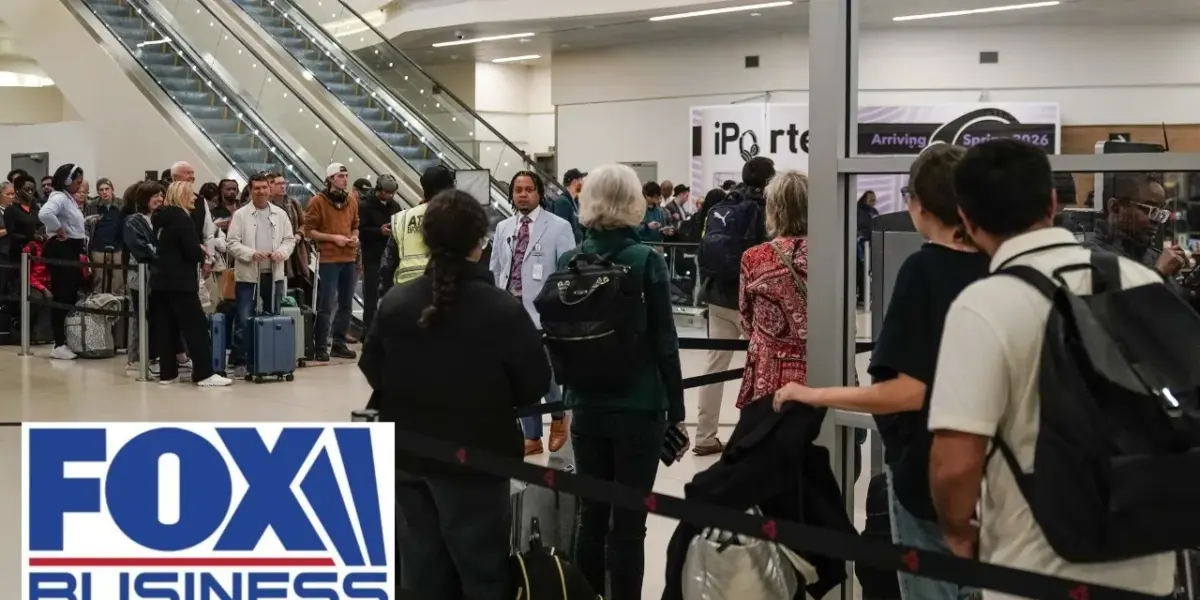
TSA Warns of ‘Exponentially Worse’ Travel Chaos as Shutdown Looms
Travelers are bracing for increasingly long security lines at airports nationwide, with the Acting Deputy Administrator of the Transportation Security Administration (TSA) warning that the situation is set to become “exponentially worse.” This warning comes as a significant portion of TSA workers call out sick, exacerbated by missed paychecks due to a potential government shutdown.
Record Call-Outs Fueling Delays
Since Sunday, an alarming 10% of TSA workers have failed to report for duty, a rate five times higher than normal. This surge in absences is hitting some airports particularly hard. In Houston, one terminal experienced wait times of up to three hours to clear security, though this has since dropped to two hours. Similarly, Atlanta, a known hotspot for long queues, saw peak wait times exceeding two hours for passengers.
The root cause, according to TSA officials, is a staffing crisis directly linked to ongoing funding uncertainties. TSA agents, many of whom live paycheck to paycheck, are facing the prospect of missing another pay cycle. The next payday for federal employees is March 27th. With Congress scheduled to begin a two-week break at the end of next week, there is a real possibility that TSA workers will miss yet another paycheck unless lawmakers reach a funding agreement for the Department of Homeland Security (DHS).
Potential Airport Shutdowns on the Horizon
The TSA is actively working to manage the crisis, but the situation remains precarious. Officials are concerned that smaller airports could face temporary shutdowns if the staffing issues persist. “We may have to temporarily suspend operations” at some locations, stated Adam Schichtl, Acting Deputy TSA Administrator. He stressed that the agency’s top priority remains aviation security integrity, and they will not compromise on safety standards.
The unpredictability of call-out rates makes it difficult to pinpoint exactly when or where such closures might occur. However, Schichtl acknowledged a steady increase in absences daily. “As this continues, that likelihood becomes more certain,” he noted, indicating that the risk of airport operations being halted due to insufficient staff is growing.
Government and Defense Sector Spotlight
The current crisis highlights the vulnerability of government-dependent sectors. Companies and services reliant on federal funding and staffing are directly impacted by legislative inaction. The situation underscores the essential nature of federal employees and the potential ripple effects of government shutdowns on critical infrastructure like air travel. Investors often view government and defense contractors as stable investments, but disruptions like these can expose underlying fragilities.
TSA’s Response and Employee Loyalty
Despite the financial strain, a remarkable 90% of TSA officers continue to report for duty, even without receiving their paychecks. The agency is expressing gratitude for their dedication and is attempting to offer flexibility to those struggling to make ends meet. “We are seeing disproportionate… high amount of individuals coming in every day,” Schichtl remarked, emphasizing the commitment of the majority of the workforce.
However, the long-term implications are concerning. Schichtl warned that officers might quit or simply be unable to afford to come to work. This could lead to a downward spiral, making wait times even longer and potentially compromising operational capacity. The TSA is focused on retaining its workforce and ensuring they can continue their vital duties.
What Investors Should Know
The escalating TSA staffing crisis serves as a stark reminder of the impact government funding impasses can have on essential services and the economy. For investors, this situation highlights:
- Sector Vulnerability: Industries reliant on government operations, such as travel and transportation infrastructure, are susceptible to disruptions caused by political gridlock.
- Employee Morale and Retention: Missed paychecks and prolonged uncertainty can significantly affect employee morale, leading to increased turnover and difficulty in recruitment. This impacts operational efficiency and service quality.
- Economic Impact: Prolonged travel delays and potential airport closures can deter tourism and business travel, negatively affecting airlines, hotels, and related industries.
While the immediate concern is for travelers and TSA employees, the broader economic implications are significant. The ability of essential government services to function smoothly is critical for maintaining consumer confidence and supporting economic activity. Investors should monitor legislative developments regarding DHS funding and the TSA’s operational status, as these factors can influence the travel sector and broader market sentiment.
Source: Acting deputy TSA administrator: This will continue to get 'exponentially worse' (YouTube)

Related Articles
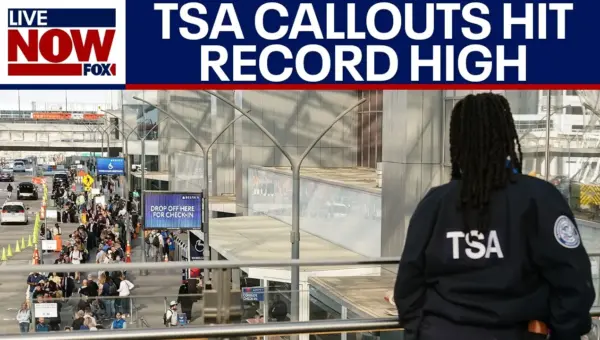
TSA Workers Get Paid After Record Absences
TSA agents will finally receive paychecks after working nearly six weeks without salary, following a directive from President Trump. Record high absences had strained airport operations and caused significant passenger delays. The situation has sparked calls for better protections for essential workers during government shutdowns.
House Republicans Reject Senate Deal, Sparking Government Funding Clash
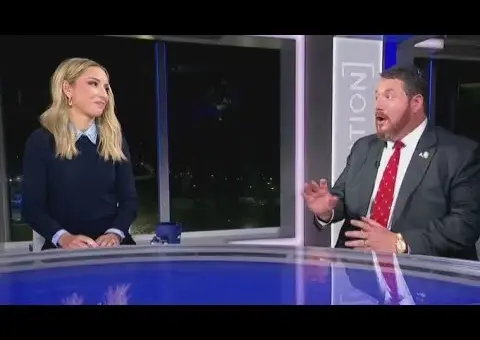
House Republicans have rejected a Senate bill to end the government shutdown, citing insufficient border security measures. Congressman Randy Fine called the Senate deal a "disgrace" and highlighted the ongoing fight for full government funding. President Trump's executive order to pay TSA agents offers temporary relief, but the core disagreement over border security continues to paralyze Washington.


Tiger Woods Arrested for DUI After Crash
Golf legend Tiger Woods was arrested for DUI in Florida following a dramatic rollover crash. Meanwhile, a government shutdown continues as House Republicans block a Senate deal, leading to airport chaos and TSA worker pay issues. The stock market also plummeted into correction territory amid fears of a prolonged Iran conflict.