TSA Staff Shortages Threaten Travel After Shutdown
The TSA faces severe staffing shortages due to unpaid federal employees, leading to long airport wait times and potential closures. These issues are expected to worsen, impacting not only current travel but also future events like the 2026 FIFA World Cup due to recruitment and training delays. This situation highlights the economic vulnerability of essential services and has broader implications for international travel confidence.

TSA Staff Shortages Threaten Travel After Shutdown
Airports across the United States are facing severe staffing shortages at the Transportation Security Administration (TSA). These problems began during a government shutdown and are expected to continue even after the government reopens. Many TSA officers cannot afford to come to work because they are not getting paid. This has led to very long wait times for travelers, with some waits lasting over four hours. The TSA may have to close smaller airports if they don’t have enough officers.
Challenging Environment for Airports
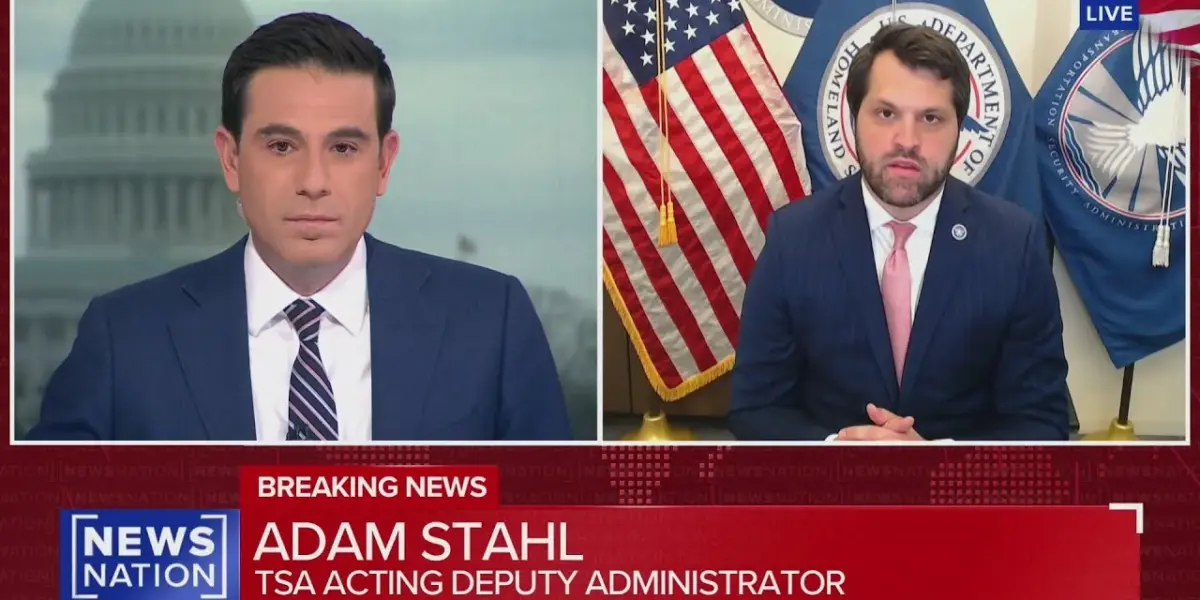
The current situation at airports is described as challenging. Wait times are expected to get worse before they get better. This is especially true if a deal is not reached to fund the Department of Homeland Security (DHS). The TSA Deputy Administrator, Adam Sellars, has warned that longer wait times are likely. More TSA employees are calling out sick or are unable to afford to report to work. Some are quitting altogether.
Impact on TSA Officers
TSA officers are struggling to make ends meet. They are missing paychecks, which means they cannot pay for rent or food. Some officers are reportedly sleeping in their cars. This makes it harder for them to keep showing up for work. The TSA is grateful for help from other government agencies, like Immigration and Customs Enforcement (ICE), to ease some of the pressure at larger airports. However, the core issue of TSA officers not getting paid remains a significant problem.
Risk of Airport Closures
The TSA operates at 440 airports nationwide. With fewer staff, the agency might have to temporarily stop operations at some airports. This is particularly a risk for smaller airports that have fewer security lanes and less staff. If just two or three individuals call in sick, a temporary suspension of operations could happen. It is hard to give an exact timeline for these potential closures because employee call-outs are unpredictable. However, the situation is being watched very closely, and things are expected to worsen.
World Cup Travel Concerns
A significant concern for the TSA is the upcoming 2026 FIFA World Cup. The agency’s administrator recently testified that newly hired TSA officers will not be ready to work security checkpoints until long after the World Cup. This means the U.S. could face a perfect storm: severe staffing shortages combined with millions of extra passengers for the World Cup games. This situation highlights a potential crisis for summer travel in 2026.
Long-Term Ramifications of Shutdowns
The impact of government shutdowns on TSA staffing goes beyond the immediate period. For example, one previous shutdown led to a 25% increase in TSA employee attrition (people quitting) immediately afterward. This shows that shutdowns have lasting effects. They also hurt the TSA’s ability to recruit new employees. Potential job candidates may be discouraged by the lack of job security and the uncertainty of regular paychecks. This makes it harder to build a strong workforce.
Training Delays Create Future Gaps
Another major issue is the delay in training new TSA officers. There is a 4-6 month lag time for recruiting and training individuals. Because of the current shutdown and its effects, this training pipeline is disrupted. This means that many individuals who would normally be trained and ready to work will not be prepared in time for major events like the World Cup. The TSA is facing a three-pronged problem: immediate staffing shortages, difficulty in recruiting new staff, and long training delays that impact future readiness.
Global Impact: Why This Reshapes the World Order
While this issue might seem like a domestic problem, it has broader implications. A secure and efficient transportation system is vital for global trade and tourism. When a country’s major airports struggle with basic operations, it can signal instability and create logistical nightmares. For the U.S., a country that relies heavily on its global connections, these internal disruptions can affect international business and travel confidence. It highlights how essential government functions, like security and reliable infrastructure, are to a nation’s standing on the world stage. If key agencies like the TSA cannot function properly due to funding issues, it can create ripple effects on international travel and commerce, potentially making other countries reconsider the reliability of U.S. travel hubs.
Historical Context: Government Shutdowns and Essential Services
Government shutdowns are not new in U.S. history. They occur when Congress and the President cannot agree on spending bills. Historically, essential services like national security and air traffic control are supposed to continue. However, when federal employees are not paid, it directly impacts their ability to work, even if their jobs are considered essential. This current situation with the TSA echoes past shutdowns where unpaid workers faced hardship. The long-term effects on recruitment and retention, as seen with the TSA’s attrition rates, are a recurring problem that policymakers must address to ensure the continuity of critical government operations.
Economic Leverage: The Power of a Paycheck
The core of the TSA’s problem is economic. TSA officers are essential workers, but their ability to perform their duties is directly tied to their paychecks. The lack of consistent pay during a shutdown creates immediate financial hardship. This economic pressure leads to increased absenteeism and higher turnover. The TSA’s reliance on federal funding means that budget disputes in Washington have a direct and tangible impact on national security and public convenience. The threat of losing skilled workers due to financial instability is a significant economic vulnerability.
Regional Alliances and Power Balances
While this transcript focuses on domestic U.S. issues, inefficient airport operations can indirectly affect international relations. If travel to and from the U.S. becomes significantly more difficult or unreliable, it can strain relationships with countries that have strong travel and trade ties. For example, countries sending large numbers of tourists or business travelers to the U.S. will be impacted. This could lead to diplomatic discussions or even affect trade agreements if the economic consequences become severe enough. It underscores how domestic policy choices can have international repercussions.
Future Scenarios
Scenario 1: Immediate Funding Solution and Gradual Recovery. If Congress quickly passes a long-term funding bill, the TSA could begin to stabilize. However, the damage to morale and recruitment might take months or even years to fully repair. Wait times might improve, but hiring and training new staff will remain a challenge, especially with the World Cup looming.
Scenario 2: Recurring Shutdowns and Persistent Chaos. If budget disputes continue to lead to short-term funding or more shutdowns, the TSA will face ongoing staffing crises. This could lead to more frequent airport disruptions, potential closures, and a significant decline in traveler satisfaction. The World Cup in 2026 would likely be severely impacted.
Scenario 3: Major Policy Reform. A crisis of this magnitude could force a serious discussion about how essential government services are funded and how federal employees are compensated during funding gaps. This could lead to reforms that protect critical functions from political brinkmanship, ensuring more stable operations for agencies like the TSA.
Source: TSA turmoil will likely continue after government reopens: Deputy administrator | The Hill (YouTube)

Related Articles


Markets Tumble Amid Iran Tensions and Shutdown Gridlock
Wall Street experienced a significant slide today, with the Dow and Nasdaq entering correction territory, driven by escalating tensions with Iran and market uncertainty. Meanwhile, a government shutdown continues to cause chaos at airports nationwide, leaving thousands of workers unpaid and travelers facing long delays. The global energy supply is also under pressure, impacting prices and availability worldwide.

Government Shutdown Sparks TSA Pay Chaos; Woods Arrested
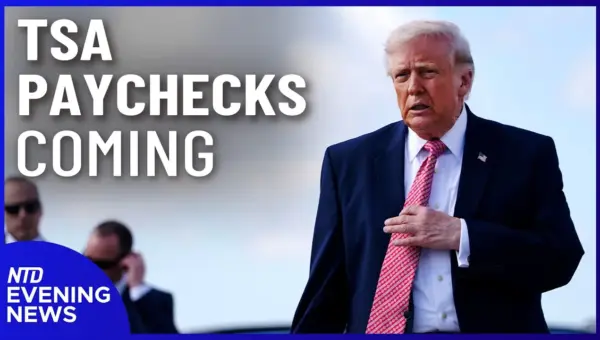
The government shutdown caused major disruptions, leading to TSA agents working without pay and President Trump signing an order to ensure their compensation. Meanwhile, golf icon Tiger Woods was arrested following a car crash in Florida. The news cycle also covered US operations in Iran, support for American farmers, political discussions at CPAC, election record disputes, and lawsuits against social media companies for their impact on students.

Democrats Demand End to DHS Shutdown, Pass Bipartisan Bill
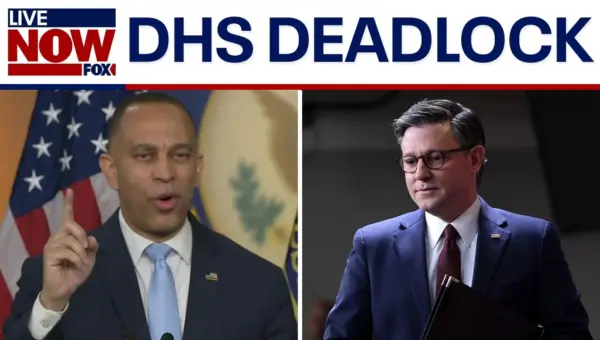
Democrats are demanding an immediate end to the Department of Homeland Security (DHS) shutdown, urging House Republicans to pass a bipartisan Senate bill. The legislation aims to fund essential services, pay TSA agents, and end airport chaos. Democrats criticize Republicans for obstructing the bill to push ideological agendas and reform ICE.