TSA Officers Face Long Road After Shutdown Woes
TSA officers are receiving back pay after the longest government shutdown, but nearly 600 have quit. Union leaders highlight the financial strain and call for a dedicated contingency fund to prevent future instability. The long-term impact on recruitment and essential services remains a concern.

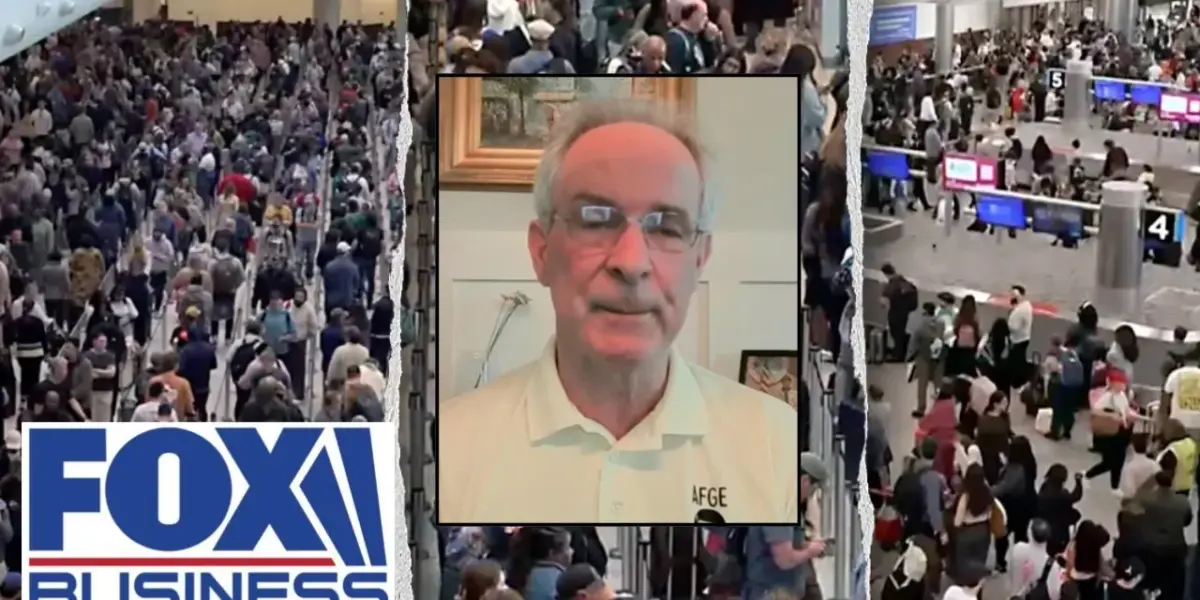
TSA Officers Struggle Amidst Lingering Shutdown Effects
The recent government shutdown, the longest in U.S. history, has left Transportation Security Administration (TSA) officers facing significant financial hardship and recruitment challenges. While some officers are returning to work and airport lines are shortening, the damage from going unpaid for over 90 days across two shutdown periods is far from over.
Back Pay and Shorter Lines, But Deeper Scars Remain
Following the end of the shutdown, TSA officers are now receiving back pay, and airport security lines have become more manageable. The Treasury Department also extended the tax deadline by one month for affected workers. However, union leaders report that nearly 600 TSA workers have quit since the shutdown. They believe the actual number could be much higher.
“We were able to screen passengers effectively and efficiently, but there is light at the end of the tunnel as we go through this.” – TSA Union Leader
Financial Strain on TSA Workers
For many TSA officers, the unpaid period was incredibly difficult. One union leader shared how he had to cut back on daily expenses to manage. While he felt he could get through it for himself and his family, he acknowledged that many colleagues lack the same financial flexibility. This is especially true for entry-level officers who earn about $34,000 a year, making it hard to live when you’re paid only paycheck to paycheck.
The situation forced many TSA employees to seek alternative income sources. “Yes, absolutely, a lot of people had to use other resources,” stated the union leader. Some worked overnight shifts at places like Amazon or drove for ride-sharing services like Uber. These extra jobs were necessary to cover bills, buy food, and manage childcare costs.
The Cycle of Financial Instability
The union leader emphasized that many officers never truly recovered from a previous shutdown in the fall. This makes it extremely difficult to climb out of debt when you are living paycheck to paycheck. The fear is that another shutdown could happen suddenly, putting them in a similar difficult position again.
Seeking Sustainable Solutions
TSA officers are proud of their mission and want to continue their work without the constant threat of financial instability. A key suggestion from the union is to better utilize the existing fees collected from airline tickets. Currently, a Homeland Security fee is included on every ticket purchase but goes into a general fund, not directly to TSA operations.
The union proposes that Congress redirect some of these funds to create a dedicated contingency fund for TSA. This fund would cover TSA operations for a set period, perhaps 60 days. Having such a reserve would prevent officers from facing unpaid work during future government shutdowns. The union believes this money is already available and should be specifically set aside for this purpose.
Recognizing the Broader Impact
Congress needs to acknowledge the hardship faced by TSA officers and the public. The union leader stressed that neither officers nor the public deserved what they went through. Finding creative and collaborative solutions is essential to prevent this situation from recurring.
Market Impact
While this situation directly impacts TSA employees and travelers, the broader implications touch on government workforce stability and the reliability of essential services. A high turnover rate at TSA could eventually affect airport security efficiency and passenger experience. Furthermore, it raises questions about how the government funds and supports its essential workers during periods of political uncertainty.
What Investors Should Know
For investors, this situation highlights the importance of operational stability for companies reliant on smooth airport operations, such as airlines and airport operators. While the immediate financial impact on these companies might be minimal, prolonged staffing issues at TSA could lead to delays and affect passenger volumes. It also underscores the potential risks associated with government shutdowns for various sectors that depend on government services or regulations.
Long-Term Outlook
The immediate crisis may be over with back pay issued, but the long-term effects on TSA recruitment and retention are significant. The experience has likely damaged morale and trust among current and potential employees. Unless structural changes are made to ensure consistent pay and financial security, the TSA could face ongoing staffing shortages. This could impact national security and the travel industry for years to come.
Source: TSA union leader: There is light at the end of the tunnel (YouTube)

Related Articles


Trump Funds DHS Amid Shutdown Stalemate
President Trump has ordered payments for all Department of Homeland Security employees amid a 50-day government shutdown. The move bypasses Congress, citing national security concerns. Meanwhile, a proposed budget signals a major increase in defense spending.

Global Travel Snarls Force Midday Flights For Savings
Millions are traveling this Easter weekend despite rising gas prices and flight costs. Global tensions in the Middle East are rerouting flights and increasing fuel expenses. Travel expert Clint Henderson advises flying mid-day on Tuesdays, Wednesdays, or Saturdays for better deals and fewer crowds.

Lawmakers Propose ICE Reforms to End DHS Funding Stalemate
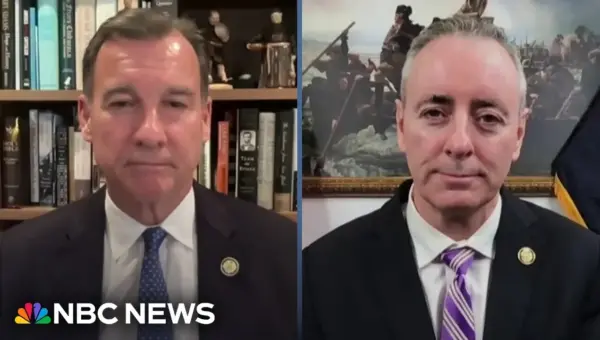
Bipartisan lawmakers Tom Suozzi and Brian Fitzpatrick are pushing for reforms to Immigration and Customs Enforcement (ICE) as a way to break the Department of Homeland Security (DHS) funding deadlock. Their proposal aims to standardize ICE practices with other federal law enforcement agencies, including the use of body cameras and improved training.