TSA Callouts Surge Amid DHS Shutdown, Threatening Travel
TSA officers are experiencing a surge in callouts and resignations due to missed paychecks amid the ongoing DHS shutdown. This has led to significant travel delays at major airports during the busy Spring Break week, raising concerns about operational efficiency and worker well-being.

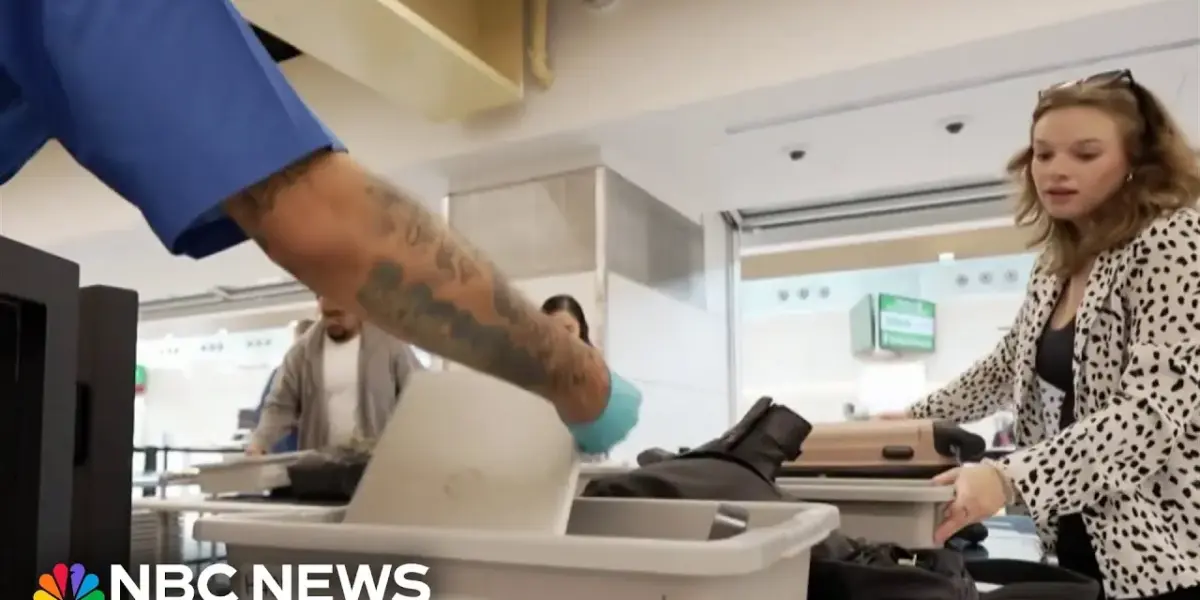
TSA Officers Face Financial Strain, Leading to Increased Callouts
As the United States grapples with a prolonged Department of Homeland Security (DHS) shutdown, Transportation Security Administration (TSA) officers are experiencing significant financial hardship, resulting in a surge of callouts and resignations. This crisis, unfolding during one of the busiest travel weeks of the year—Spring Break—is creating extensive delays and raising concerns about airport security and operational efficiency.
Widespread Disruptions at Major Airports
Travelers at major hubs like Austin, Atlanta, and LaGuardia are reporting exceptionally long lines, with some finding themselves backed up to baggage claim. The impact of the shutdown is being felt acutely by TSA personnel, many of whom have missed multiple paychecks. According to reports, 366 officers have quit their jobs, and hundreds more are calling out sick or absent from their posts, often to take on second jobs to cover essential living expenses.
“This is a kitchen table issue. Speak to the TSA officers at the table and find out what is going on.”
TSA Officer (paraphrased)
The financial strain is not just an inconvenience; for many TSA officers, it directly impacts their ability to afford basic necessities and healthcare. Concerns have been raised about officers being unable to afford co-payments for critical medical treatments, such as cancer therapy, or even basic doctor’s visits for sick children. This situation highlights the human cost of the ongoing government shutdown, extending beyond federal employees to those who provide essential public services.
Highest Callout Rates Reported in Key Hubs
The transcript indicates that the highest callout rates, reaching 21%, are occurring at major airports including Atlanta, John F. Kennedy International Airport (JFK), and Houston Hobby. Pittsburgh has also reported a significant 14% callout rate. These figures underscore the systemic nature of the problem, affecting multiple regions and critical transportation nodes across the country.
Political Stalemate Fuels Crisis
The ongoing shutdown is a result of a political impasse over funding, with Republican and Democratic lawmakers at odds. The situation has drawn bipartisan attention, with Senators Cornyn (Republican) and Klobuchar (Democratic) visiting TSA officers. While Senator Cornyn reportedly brought burgers to TSA officers, Senator Klobuchar emphasized the need for a more direct solution: “Bring them a paycheck.”
President Trump has blamed Democrats for the shutdown, stating they are preventing a resolution. Conversely, Democrats have indicated a willingness to fund the DHS but are seeking to attach policy changes to the funding bill. This political gridlock has left federal workers, including TSA officers, in a precarious financial situation.
“The President saying the crazed Democrats are not letting them be paid. Democrats say they will fund them but want changes to.”
Reporter (paraphrased)
The implications of this standoff are far-reaching. As one observer noted, “It’s when, not if, we have significant impacts to the airport.” The continued absence of TSA officers not only strains the remaining workforce but also compromises the efficiency and potentially the security of airport operations.
Broader Implications and Future Outlook
The current situation with TSA callouts serves as a stark reminder of the critical role federal employees play in national infrastructure and public safety. The financial instability faced by these essential workers can have cascading effects, impacting morale, leading to experienced personnel leaving the service, and ultimately affecting the quality of services provided to the public. The long-term consequences of such a shutdown could include difficulties in recruitment and retention for vital government agencies.
As the DHS shutdown continues, travelers are advised to anticipate potential delays and plan accordingly. The ongoing political negotiations will be crucial in determining when TSA officers will receive their overdue paychecks and when normal operations can be fully restored. The situation highlights the urgent need for a swift resolution to the funding impasse to prevent further disruption to essential services and to support the dedicated federal workforce.
Source: TSA callout rate surges as DHS shutdown continues (YouTube)

Related Articles


Markets Tumble Amid Iran Tensions and Shutdown Gridlock
Wall Street experienced a significant slide today, with the Dow and Nasdaq entering correction territory, driven by escalating tensions with Iran and market uncertainty. Meanwhile, a government shutdown continues to cause chaos at airports nationwide, leaving thousands of workers unpaid and travelers facing long delays. The global energy supply is also under pressure, impacting prices and availability worldwide.
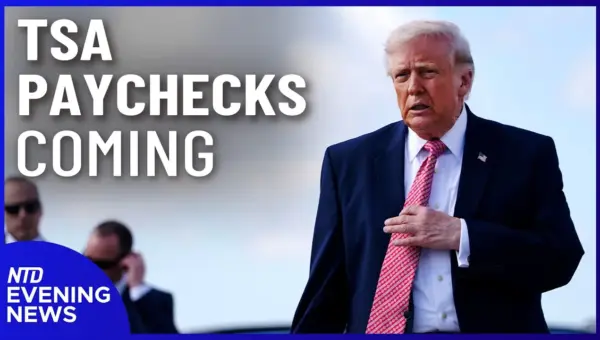
Government Shutdown Sparks TSA Pay Chaos; Woods Arrested
The government shutdown caused major disruptions, leading to TSA agents working without pay and President Trump signing an order to ensure their compensation. Meanwhile, golf icon Tiger Woods was arrested following a car crash in Florida. The news cycle also covered US operations in Iran, support for American farmers, political discussions at CPAC, election record disputes, and lawsuits against social media companies for their impact on students.

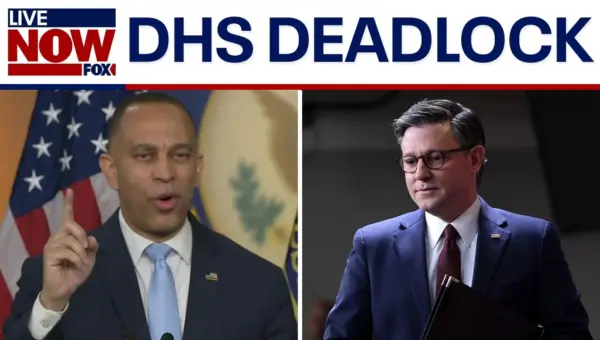
Democrats Demand End to DHS Shutdown, Pass Bipartisan Bill
Democrats are demanding an immediate end to the Department of Homeland Security (DHS) shutdown, urging House Republicans to pass a bipartisan Senate bill. The legislation aims to fund essential services, pay TSA agents, and end airport chaos. Democrats criticize Republicans for obstructing the bill to push ideological agendas and reform ICE.