Trumpworld’s Meltdown: A Political House of Cards Collapses
Donald Trump's allies are sounding the alarm as multiple crises converge, from economic dissatisfaction to foreign policy woes. Strategists grapple with a perceived public disconnect, with some suggesting deceptive tactics to improve perception.

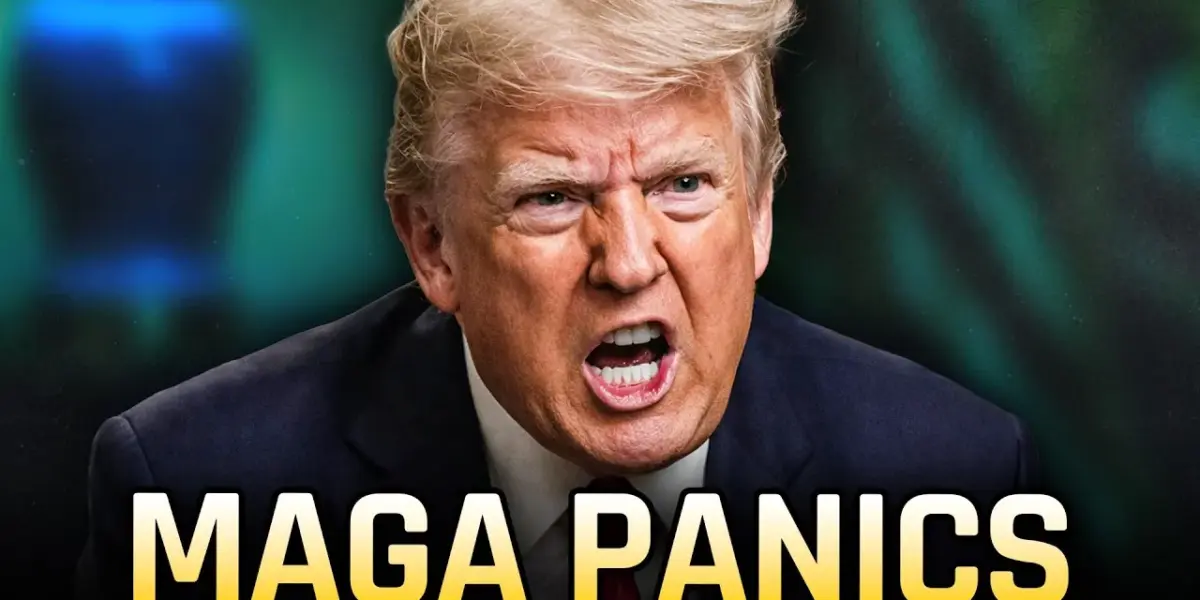
Trumpworld’s Meltdown: A Political House of Cards Collapses
Whispers of discontent within Donald Trump’s inner circle have escalated into open declarations of alarm. Allies, strategists, and analysts, once seemingly unified behind the former president, are now voicing profound concerns about the state of his political standing. The narrative emerging from these sources paints a picture of a political enterprise in disarray, facing a confluence of crises that threaten to unravel the very fabric of Trump’s influence.
A Cascade of Crises
The concerns are not confined to a single issue but span a broad spectrum of challenges. From the volatile global economy and lingering foreign policy entanglements, including the controversial Epstein files, to domestic issues like immigration, the Trump apparatus appears to be buckling under the weight of multiple pressures. The transcript highlights a palpable sense of panic, with allies observing that “everything with Donald Trump’s political life right now is falling apart.” This sentiment is reportedly amplified by the perceived failure of projects like a Melania Trump documentary, which is described as a “massive, massive failure,” further contributing to the sense of unease.
Economic Woes and Unpopular Wars
A significant source of anxiety for Trump’s allies stems from the perceived disconnect between the administration’s actions and the public’s sentiment, particularly concerning the economy and foreign conflicts. One anonymous ally articulated this concern starkly: “If you combine an economy that people don’t like with a prolonged war that, you know, nobody in his base believes they voted for, that’s a toxic problem.” This sentiment underscores a broader public weariness, not just with prolonged conflicts, but with the very initiation of such engagements. The transcript emphasizes that the public’s frustration is not merely about the duration of a war, but its very existence, suggesting a fundamental misreading of public sentiment by some within Trump’s orbit.
The critique extends to a perceived lack of understanding regarding public anger. Republican strategist Matthew Bartlett is quoted as noting, “We are a year into the Trump presidency, and it seems as if everything has changed but the economy.” While this observation might seem to focus on economic stagnation as the primary issue, the analysis suggests a deeper misunderstanding. The argument presented is that “everything has changed, but everything’s changed in a bad way,” implying that the economy is not the sole problem, but rather one symptom of a larger malaise. The critique implies that even those within the Republican party who are tasked with strategizing may not fully grasp the depth and breadth of public dissatisfaction.
Strategizing Through Deception?
The proposed solutions from some strategists appear to lean towards misdirection rather than genuine problem-solving. One suggestion is to “Focus just on the local [expletive]. Stop focusing on the world. Even if you obviously can’t bring prices down, just do everything you can to make people feel like the economy is getting better.” This approach is met with sharp criticism in the transcript, framed as advice to “trick people” and “lie to them.” The author questions the efficacy of such tactics, suggesting that voters will see through attempts to create a false sense of economic well-being, especially when it contradicts their lived experiences.
Why This Matters
The internal anxieties within “Trumpworld” are significant because they reflect a potential disconnect between political leadership and the electorate. When strategists and allies begin to publicly or privately express such deep-seated concerns, it signals a crisis of confidence that can have tangible electoral consequences. The reliance on perceived deception as a political strategy, as suggested by some, raises fundamental questions about the integrity of political discourse and the relationship between politicians and the public. It highlights a critical juncture where the effectiveness of Trump’s political brand is being tested against the realities of governance and public perception.
Historical Context and Trends
The current situation echoes historical patterns where political movements face internal dissent and external challenges as their initial momentum wanes or their policies face scrutiny. The frustration with economic conditions and foreign entanglements is not new in American politics. However, the specific context of Trump’s populist appeal and his often unconventional communication style adds a unique layer to these challenges. The transcript suggests that the core of the problem lies in a failure to understand the underlying anger and disillusionment of a significant portion of the electorate. This has been a recurring theme in political analysis, where a perceived disconnect between the political elite and the “common person” can fuel populist movements, but also lead to their eventual downfall if the underlying issues are not addressed.
Implications, Trends, and Future Outlook
The unfolding “panic mode” within Trump’s political sphere has several implications. Firstly, it suggests a potential weakening of his influence and a fracturing of the unified front that characterized his earlier successes. Secondly, the internal strategizing, even if flawed, indicates an awareness of the challenges and an attempt to navigate them, albeit through questionable means. The trend towards focusing on perception over reality in economic messaging could become a more prominent, and potentially damaging, feature of political campaigns.
Looking ahead, the effectiveness of Trump’s political future may hinge on his ability to address the core grievances that fuel public anger, rather than attempting to mask them. The transcript implies that a strategy based on deception is ultimately unsustainable and risks further alienating voters. The coming months, particularly with potential electoral cycles on the horizon, will be crucial in determining whether Trumpworld can adapt to these challenges or if the current “house of cards” will indeed collapse.
“If you combine an economy that people don’t like with a prolonged war that, you know, nobody in his base believes they voted for, that’s a toxic problem.”
The candid admission from an anonymous ally encapsulates the multifaceted nature of the predicament. It’s not just one issue, but a toxic brew of economic dissatisfaction and foreign policy fatigue that creates a perilous political landscape. The sentiment is echoed by the observation that the country is “in no mood for a prolonged war,” and more broadly, “in no mood for any war.” This suggests a deep-seated aversion to conflict that may be at odds with certain foreign policy stances, further complicating the administration’s messaging and strategy.
The transcript also points to a fundamental misunderstanding of the public’s emotional state. The frustration with events like the situation in Venezuela, which the author feels is not discussed enough, highlights a potential disconnect in public memory and political discourse. This sense of being out of step with the broader populace underscores the challenge facing Trump’s allies: how to reconnect with voters when the fundamental issues driving their discontent seem to be misunderstood or dismissed.
Ultimately, the narrative presented is one of internal turmoil and strategic confusion within the Trump political orbit. The reliance on perceived superficial fixes and the potential for outright deception as a means to shore up support raises serious questions about the long-term viability of such approaches. As the transcript concludes, the effectiveness of these strategies with voters remains highly dubious, suggesting that a more profound reckoning with the underlying issues may be necessary for any political resurgence.
Source: Trumpworld In Panic Mode As EVERYTHING Falls Apart (YouTube)

Related Articles
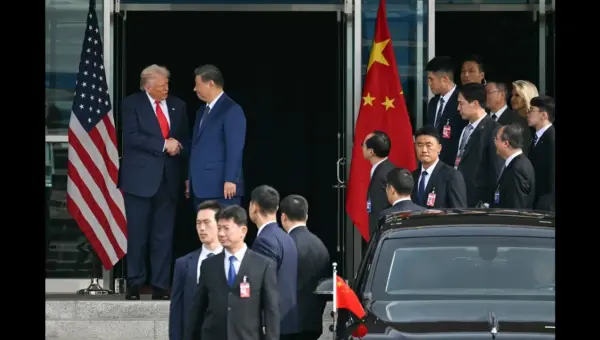
Trump’s “Walk Away” Tactic Signals Tougher Stance on China
Retired Air Force Brigadier General David Stillwell believes President Trump's strategy of being willing to walk away from negotiations puts pressure on China. This tactic, combined with US global actions and strengthened alliances, signals a more assertive American foreign policy.
Trump’s Name Everywhere: A ‘Stain’ on GOP Legacy?
Former President Donald Trump's efforts to brand national symbols, including a proposed signature on dollar bills, spark debate. Critics view this as an authoritarian attempt to embed his legacy, potentially staining the Republican Party's history and contrasting with democratic ideals of public ownership.
Trump’s War Talk Stuns Financial Crowd
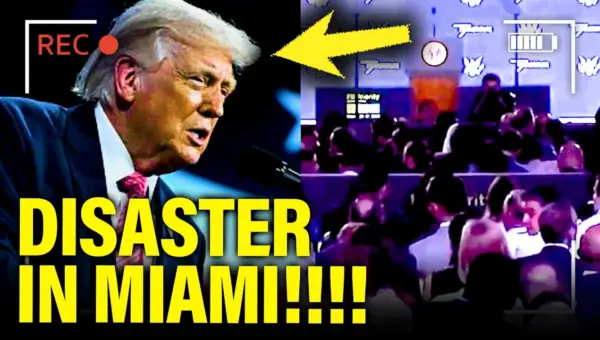
Donald Trump's recent speech in Miami focused on his foreign policy, particularly his critical views on NATO and his vision for international relations. He declared the U.S. would no longer defend NATO allies, questioned the value of existing alliances, and suggested renaming the Strait of Hormuz. The speech also touched on his personal views of success, his allies, and his perceived role as a global peacemaker.