Trump’s Words Unravel: A Nation Watches Cognitive Decline
Recent public appearances by Donald Trump show concerning signs of cognitive and physical decline. Confusing statements, contradictions, and unusual social media posts raise questions about his fitness for leadership. This analysis explores the evidence and its implications.

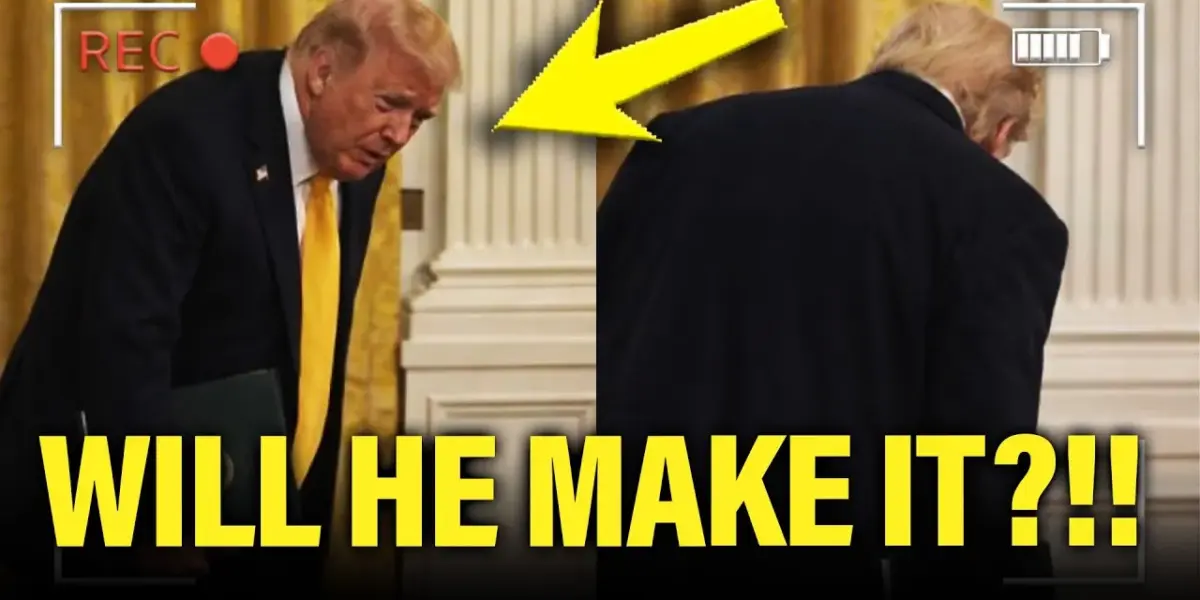
Trump’s Words Unravel: A Nation Watches Cognitive Decline
Recent public appearances by Donald Trump have raised serious concerns about his physical and mental state. His physical and cognitive abilities appear to be rapidly weakening. This situation has reached a critical point, especially as his actions in Iran are described as a complete disaster.
Confusing Statements and False Claims
During recent press conferences, Trump made several confusing remarks. He repeatedly called California Governor Gavin Newsom “President Nuome” or “President Nuskum.” Trump also claimed to have spoken with past presidents about the war in Iran. He said one former president was happy with his actions. However, aides for all four living former presidents – Clinton, Bush, Obama, and Biden – stated there was no record of such communications. Governor Newsom commented that the media needs to report on Trump’s mental decline, calling it serious.
Contradictions and Incoherence
Further evidence of confusion was seen in Trump’s press conferences. Within minutes, he would say the exact opposite of what he had just stated. For example, he said, “We don’t want any help from anybody.” Then, shortly after, he stated, “We need your help.” He also made unclear statements about oil policy in the Middle East, saying, “Our policy is digest.” This was followed by a confusing remark about “dig we must dig me west,” which was attributed to his oil policy. These instances suggest a significant decline in his ability to communicate clearly.
“The media needs to start reporting on Donald Trump’s mental decline. This is serious.” – Governor Gavin Newsom
Projection and Personal Health Comments
Trump also appeared to project his own health issues onto others. He spoke about a Republican Congressman, Neil Dunn, who had a serious, terminal health diagnosis. Trump stated that Dunn “would be dead by June” but claimed he “saved him.” The diagnosis was not public at the time. This raises questions about privacy and the appropriateness of such comments.
Concerns About Future and Judgment
Adding to the concerns, Trump has made unusual statements about his own afterlife. He has said he doesn’t think he’s going to heaven. He also mentioned feeling it “in his bones” when a war should end. These statements have caused confusion and worry among some observers.
Social Media Activity and Distractions
His social media posts have also been a source of concern. While a major war is happening, Trump posted about unrelated topics. He celebrated Venezuela beating Italy in a baseball game. He also posted about taking over Greenland and Cuba. At one point, he posted about a college football game from January 19, 2026, suggesting he might be confused about dates or events. These posts seem out of touch with pressing global and domestic issues.
HIPAA Concerns and Projection
Trump has also been accused of violating privacy rights, similar to the situation with Congressman Dunn. He posted about his chief of staff, Susie Elkus, being diagnosed with early-stage breast cancer. He seemed to frame her decision to undergo treatment as a sign of loyalty to him, rather than prioritizing her health. This suggests a pattern of focusing on himself even when discussing others’ serious health challenges.
International Reactions and Perceptions
International leaders have also commented on Trump’s state. Iran’s foreign minister called Trump “delusional.” Iran’s top commander suggested that Trump’s “epic fury” shows “epic fear.” They believe war outcomes are decided on the battlefield, not through social media posts. This indicates that his public statements are being viewed as signs of weakness or irrationality by adversaries.
Historical Claims and Inaccuracies
Trump has also made claims about predicting major events, such as 9/11. He stated he wrote about Osama bin Laden in a 2000 book and predicted the World Trade Center attack. However, fact-checks show his book only mentioned Bin Laden briefly and did not predict a specific attack on the World Trade Center. He also made a claim about a ballroom being under budget, mentioning upgrades with “onyx and stones that are incredible.” Later, he talked about “golden drapes” and “nice gold curtains,” which seemed to be a distraction from more serious matters.
Attacks on Institutions and Extreme Rhetoric
His social media posts have also included lengthy attacks on the Supreme Court. He called it a “weaponized and unjust political organization” that treats Republicans unfairly. He also threatened people who don’t support certain figures with accusations of treason if they don’t write favorably about him or his handling of the war.
Conclusion: A Troubling Pattern
The evidence presented suggests a pattern of cognitive decline. Trump’s confusing statements, contradictions, personal health comments about others, and irrelevant social media posts all point to serious concerns. The ongoing war in Iran and other critical issues demand clear and stable leadership. The public is left to question how much longer this situation can continue and what the implications will be for the country and the world.
Why This Matters
The perceived cognitive and physical decline of a major political figure like Donald Trump is significant. It raises questions about judgment, decision-making, and the ability to handle complex national and international crises. When a leader appears confused or makes contradictory statements, it can undermine public trust and create uncertainty, both at home and abroad. Allies may question stability, while adversaries might see opportunities. Clear communication and consistent decision-making are crucial for effective leadership, especially during times of conflict or instability. The public has a right to expect their leaders to be mentally and physically capable of fulfilling their duties.
Implications, Trends, and Future Outlook
This situation highlights a growing trend of intense scrutiny on the health and fitness of political leaders. As communication becomes more immediate and public through social media and constant news cycles, any perceived lapse in cognitive function is amplified. The future outlook will likely involve continued debate and concern over Trump’s mental state. Depending on his political future, this could influence voter perceptions, policy decisions, and international relations. If he remains a prominent figure, the focus on his cognitive abilities will likely persist, potentially overshadowing policy discussions.
Historical Context and Background
Concerns about the health of presidents are not new. Throughout history, there have been instances where the health of leaders, both physical and mental, played a role in public perception and political discourse. However, the current media environment, with its 24/7 news cycle and social media’s reach, makes such scrutiny more intense and widespread than ever before. The public’s access to unfiltered or less filtered statements from leaders, as seen in Trump’s social media posts, allows for direct observation of communication patterns, leading to immediate analysis and speculation about their cognitive state.
Source: Trump’s Health VISIBLY CRASHES as War RUINS HIS LIFE!!! (YouTube)

Related Articles
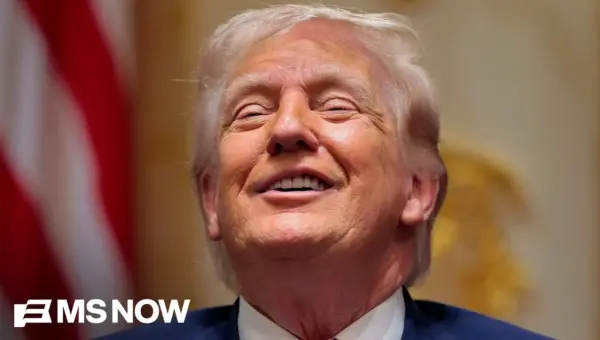
Trump’s Name Everywhere: A ‘Stain’ on GOP Legacy?
Former President Donald Trump's efforts to brand national symbols, including a proposed signature on dollar bills, spark debate. Critics view this as an authoritarian attempt to embed his legacy, potentially staining the Republican Party's history and contrasting with democratic ideals of public ownership.

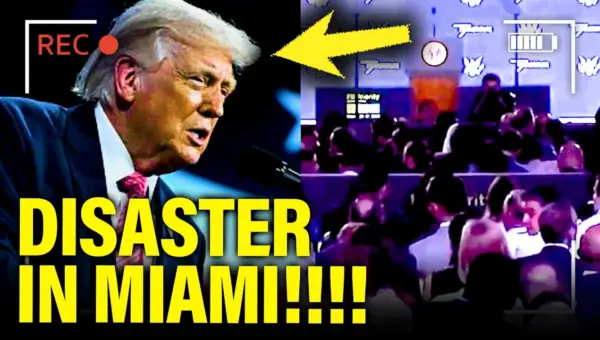
Trump’s War Talk Stuns Financial Crowd
Donald Trump's recent speech in Miami focused on his foreign policy, particularly his critical views on NATO and his vision for international relations. He declared the U.S. would no longer defend NATO allies, questioned the value of existing alliances, and suggested renaming the Strait of Hormuz. The speech also touched on his personal views of success, his allies, and his perceived role as a global peacemaker.
Trump’s Warpath: New Threats Signal Imperial Ambitions
Recent statements from Donald Trump reveal a potential embrace of increased military action and interventionist foreign policy. This approach, characterized by critics as "imperialism 2.0," contrasts with his past promises of peace and has even drawn criticism from parts of his own base. The implications for U.S. global engagement and domestic priorities are significant.