Trump’s Words Harm US Standing, Damage Democracy: Law Prof
Legal experts warn that President Trump's rhetoric has already harmed America's global standing and strained its democracy. Discussions highlight concerns over potentially unlawful military orders targeting civilian infrastructure and the legal obligations of service members. The debate also revisits the effectiveness of the Iran nuclear deal, with former negotiator Robert Malley asserting diplomacy's superiority over military action.

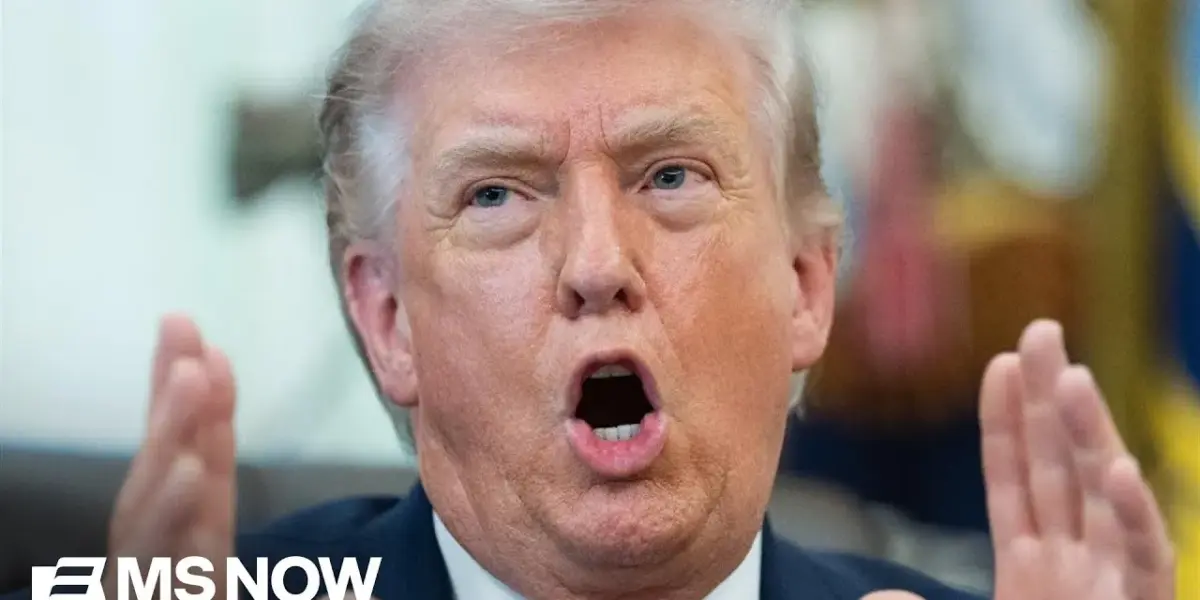
Trump’s Rhetoric Creates Democratic Strain and Global Concern
The United States is facing a significant stress test on its democracy, regardless of the outcome of recent events, according to legal experts. Professor James Sample of Hofstra University School of Law stated that President Trump’s words alone have already damaged America’s standing in the world. This rhetoric, especially when it threatens the destruction of entire civilizations, meets the Pentagon’s definition of terrorism. This situation places military members and legal advisors in a difficult position, as they must consider the implications of potential orders through the lens of the president’s preceding statements.
Unlawful Orders and Constitutional Crisis
Experts believe that orders to destroy civilian infrastructure like desalination or power plants would be unlawful on their face. Military members have a legal duty to refuse such orders. Historically, service members could appeal unlawful orders to higher authorities, introducing a potential check on reckless commands. However, when the orders originate directly from the Commander-in-Chief, the situation becomes far more dangerous. This creates a potential constitutional crisis, as a military refusal to obey the president could lead to a severe breakdown in governance. The responsibility to intervene, according to legal frameworks, falls upon Congress and potentially the 25th Amendment process.
“If the actual orders are to destroy the desalinization plants, to destroy all of the power plants. Those are absolutely unlawful orders on their face. And there is a legal obligation by members of the military, a legal obligation to defy those orders.”
– James Sample, Law Professor
The Iran Nuclear Deal Debate: A Closer Look
The discussion also touched upon President Trump’s remarks regarding Iran’s nuclear program and the 2015 Joint Comprehensive Plan of Action (JCPOA). Trump claimed the deal was a disaster that would have led Iran to possess nuclear weapons. Robert Malley, former U.S. Special Envoy for Iran, countered these claims. Malley, who was a lead negotiator on the JCPOA, stated that Iran’s nuclear program was more advanced after Trump withdrew from the deal. He argued that the JCPOA was a more effective instrument for containing Iran’s nuclear ambitions than subsequent actions like sanctions or military posturing.
Diplomacy vs. Military Action
Malley emphasized the effectiveness of diplomacy, citing the outcomes of the deal, sanctions, and military strikes. He concluded that diplomacy proved to be the most effective approach among the three. This perspective suggests that the current situation might stem from frustration over Iran’s lack of capitulation rather than a genuine existential threat posed by their nuclear program in the immediate aftermath of the deal’s termination.
Dual-Use Infrastructure and International Law
The conversation addressed the Pentagon’s potential expansion of targets to include civilian and military sites in Iran. Professor Sample explained the concept of ‘dual-use’ infrastructure, where a facility serves both civilian and military purposes. Under international law, targeting such infrastructure requires a careful proportionality analysis. The military benefits must significantly outweigh the harm to civilians. Sample cautioned against the administration’s use of the ‘dual-use’ label as a blanket justification without proper legal scrutiny. He stressed that such practices, even if employed by other nations, do not make them legally permissible, especially when compared to the standards expected even within domestic U.S. contexts where civilian and military sites often coexist.
Broader Implications for American Leadership
The rhetoric and potential actions discussed have broader implications for America’s role and perception on the global stage. The idea of the U.S. as a ‘shining city on a hill,’ as famously stated by Ronald Reagan, is being challenged by rhetoric that some experts deem terroristic. The legal and ethical quandaries faced by the military, coupled with the potential for domestic constitutional crises, highlight a period of intense scrutiny for American democracy and its adherence to international law. The lack of decisive political response, as observed in past situations like January 6th, raises concerns about the resilience of democratic institutions when faced with challenges from within.
What to Watch Next
Moving forward, attention will remain on the specific actions taken by the U.S. military in response to any perceived threats from Iran. The legal ramifications of these actions, both domestically and internationally, will be closely watched. Furthermore, the political branches’ willingness and ability to address the constitutional and legal questions raised by the president’s rhetoric and potential orders will be a critical indicator of the health of American democratic norms and institutions.
Source: Regardless of what happens tonight, Trump has 'already damaged America's standing': Law Prof. (YouTube)

Related Articles
Trump Faces Legal Reckoning as Key Deadlines Loom
Critical deadlines are fast approaching in the multiple legal cases involving former President Donald Trump. These legal battles are testing the rule of law and the justice system's ability to hold powerful figures accountable. The outcomes could significantly impact Trump's political future and set precedents for future leaders.
Trump’s Easter Speech: A Bizarre Address to Children
Donald Trump's recent appearance at the White House Easter Egg Roll sparked controversy. He delivered an unusual speech to children about military rescues and political matters, later discussing autograph values and President Biden's autopen. This has led to debates about appropriateness and parental responsibility.
Trump’s Nuclear Threats Spark GOP Exodus, Critics Warn of War Crimes
Former President Donald Trump's extreme threats against Iran have sparked widespread condemnation, even from his usual allies. Commentators and politicians are warning of potential war crimes and calling for his removal from office. This situation highlights concerns about unchecked executive power and the GOP's role in enabling it.