Trump’s ‘Willing Sacrifice’ Remark Sparks Outrage and Concern
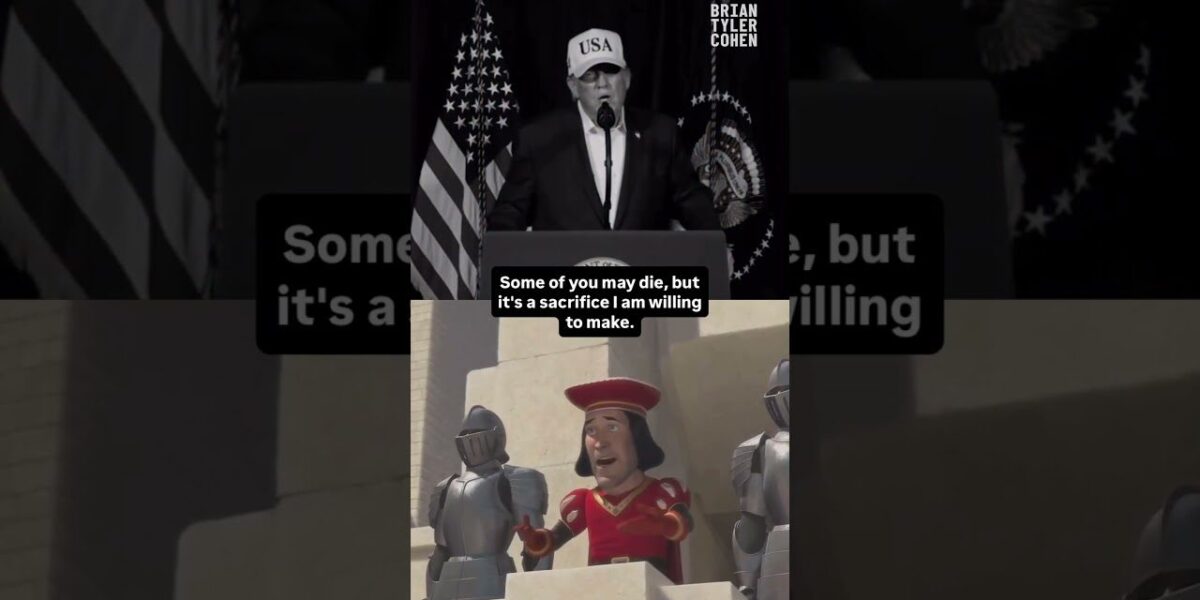
President Donald Trump's recent remarks suggesting American casualties in a potential Iran conflict are "a sacrifice I am willing to make" have drawn widespread criticism. The comments, interpreted by many as insensitive, have sparked debate about presidential rhetoric and the gravity of military service.

Trump’s ‘Willing Sacrifice’ Remark Sparks Outrage and Concern
In a speech addressing the escalating tensions with Iran, President Donald Trump uttered remarks that have drawn significant criticism and concern, suggesting that American casualties in a potential conflict are a “sacrifice I am willing to make.” The statement, delivered during an address that outlined the administration’s stance on the volatile Middle East situation, has been widely interpreted as a deeply troubling and potentially dismissive attitude towards the lives of U.S. service members.
Context of the Remarks
The controversial statement came as President Trump discussed the possibility of military engagement with Iran, a scenario that has loomed large following a series of provocations and retaliatory actions between the two nations. The President’s remarks, made in a public forum, were intended to convey resolve and preparedness for various outcomes, including potential conflict. However, the specific phrasing used has overshadowed the broader message, shifting the focus to the personal calculus of sacrifice presented by the commander-in-chief.
“The lives of courageous American heroes may be lost and we may have casualties. That often happens in war. Some of you may die, but it’s a sacrifice I am willing to make.”
This direct quote, reportedly from the speech, highlights a stark acknowledgment of the potential loss of life. While acknowledging the grim realities of war is a common trope in presidential addresses concerning military action, the personal declaration of willingness to accept these sacrifices has struck a nerve with many observers. Critics argue that such a statement, particularly from the President, should reflect a profound sense of gravity and a deep commitment to avoiding conflict, rather than a seemingly detached acceptance of potential fatalities.
Widespread Criticism and Analysis
The remarks quickly ignited a firestorm of criticism across political spectrums and from military families. Pundits and commentators questioned the tone and implication of the President’s words. Was this a gaffe, a deliberate attempt to project a certain image of strength, or a genuine, albeit poorly phrased, acknowledgment of the burdens of leadership in wartime? Regardless of intent, the impact was immediate and negative.
Many interpreted the phrase “Some of you may die, but it’s a sacrifice I am willing to make” as a deeply insensitive and potentially dehumanizing statement. The use of “you” in this context, directed at service members, rather than a more abstract “we” or “our nation,” has been a particular point of contention. It suggests a direct, almost transactional relationship with the lives of soldiers, framing their potential death as a personal offering by the President.
Former military officials and veterans expressed dismay. “No president should ever frame the lives of our service members as a sacrifice they are willing to make,” stated one retired general in an online forum. “Their lives are not theirs to ‘make’ a sacrifice with; they are ours to protect and to send into harm’s way only when absolutely necessary, with the highest possible consideration for their safety and well-being.”
The criticism extended beyond military circles, with many citizens expressing shock and offense. Social media platforms buzzed with discussions, many decrying the perceived lack of empathy and the casualness with which the potential loss of American lives was discussed. Hashtags related to the President’s remarks trended, amplifying the public outcry.
Broader Implications and Presidential Rhetoric
This incident also raises broader questions about presidential rhetoric in times of heightened international tension. The language used by a President carries immense weight, shaping public perception, influencing global diplomacy, and impacting the morale of the armed forces. A President’s words can be interpreted as a signal of intent, a declaration of resolve, or a sign of underlying strategy.
President Trump has often employed a direct and sometimes unconventional communication style. However, in matters of war and peace, and concerning the lives of those who serve, critics argue for a more measured and solemn tone. The perception that such profound sacrifices could be framed as something the President is merely “willing to make” risks undermining the gravity of military service and the immense personal cost borne by service members and their families.
The administration’s policy towards Iran has been characterized by a “maximum pressure” campaign, aimed at curbing Tehran’s nuclear program and regional influence. This has involved sanctions, increased military posturing, and heightened rhetoric. The President’s remarks, in this context, could be seen as an attempt to signal unwavering commitment to this policy, even in the face of potential conflict. However, the choice of words has undeniably complicated this messaging.
Historical Context and Presidential Responsibility
Historically, presidential statements regarding military action and potential casualties have been carefully crafted. Leaders often emphasize the necessity of sacrifice, the defense of national interests, and the bravery of the troops, while also conveying a deep reluctance to engage in conflict and a profound respect for the lives lost. The emphasis is typically on the nation’s duty to its service members and their families, and the solemn responsibility of sending them into danger.
President Trump’s assertion, “it’s a sacrifice I am willing to make,” deviates from this established norm. It places the President in a position of personal agency over the “sacrifice” of others, a framing that many find problematic. The responsibility of a President is not merely to be willing to accept casualties, but to exhaust every possible avenue to prevent them, and to ensure that any deployment of troops is a last resort, undertaken with the utmost care and consideration.
Looking Ahead
The fallout from President Trump’s remarks is likely to continue. The incident serves as a stark reminder of the power and scrutiny that accompany presidential language, especially concerning matters of national security and military engagement. Moving forward, attention will remain fixed on the administration’s diplomatic efforts and military posture regarding Iran, and how the President chooses to communicate about the risks and realities faced by American service members. The debate over the appropriate tone and substance of presidential rhetoric in times of crisis will undoubtedly persist.
Source: Trump CAUGHT in GAFFE during Iran speech (YouTube)

Related Articles
Iran Rejects Trump Ceasefire Offer Amid Escalating Regional Conflict
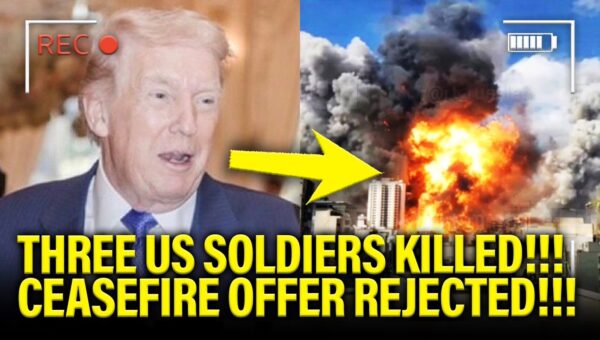
Iran has rejected a ceasefire offer from the Trump administration, escalating regional tensions and leading to U.S. casualties. The conflict, dubbed 'Operation Epic Fury,' has seen Iranian retaliatory strikes across the Middle East and disruption in the Strait of Hormuz.

Oil Prices Surge Amid Iran Tensions: Gas Costs to Rise?
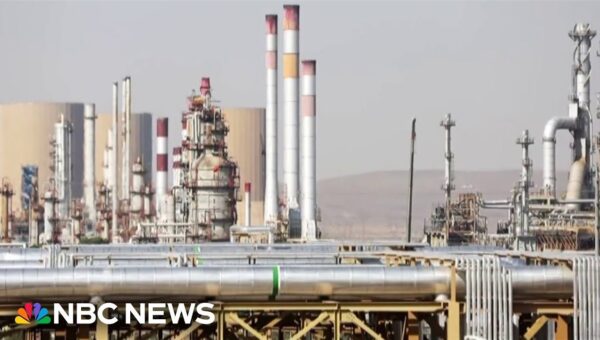
Escalating tensions involving Iran are poised to significantly impact global oil prices, with analysts predicting a potential $15-$20 per barrel spike. This could lead to a substantial increase in gasoline prices for consumers, exacerbated by disruptions to the crucial Strait of Hormuz shipping route. The broader economic implications include pressure on global supply chains and potential impacts on economic growth.
Iran’s Escalation: Strategic Strikes and Shifting Alliances
Iran launched over 700 drones and missiles in a major overnight assault, with 90% intercepted by defenses. The strikes targeted multiple regional locations, including Israel, but resulted in minimal casualties and did not achieve significant strategic damage due to dispersed targeting. A notable shift sees Saudi Arabia now willing to assist following impacts on its territory.