Trump’s Wild Threats Expose Deeply Troubled Mind
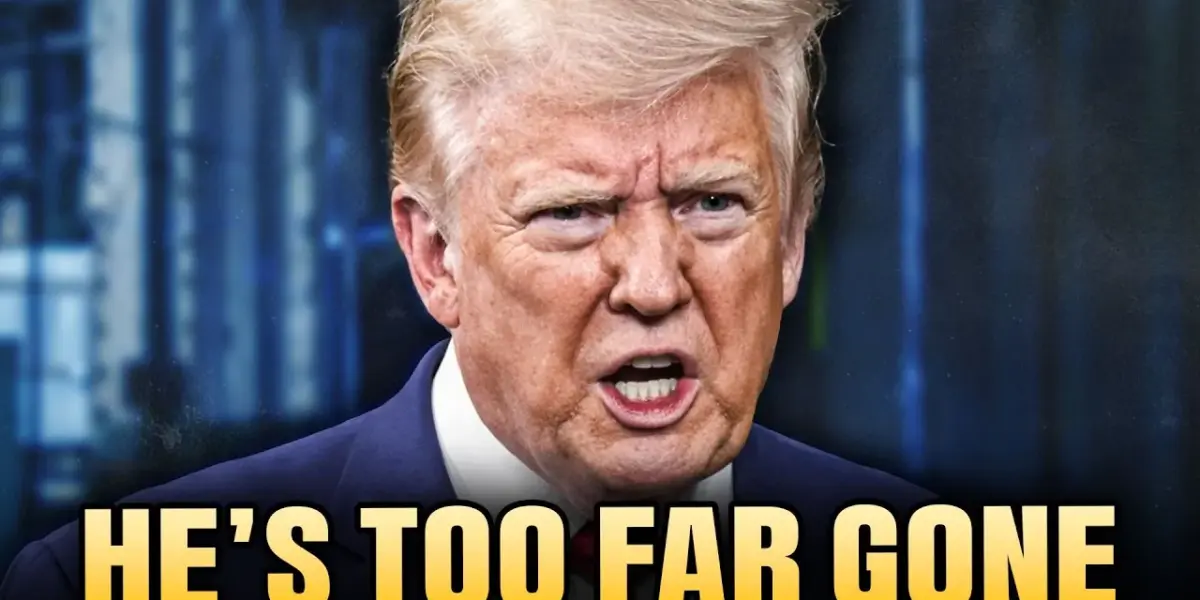
Donald Trump's Easter Sunday posts revealed a volatile mix of threats against Iran, religious mockery, and claims of impending war. Following these outbursts, a peculiar "self-soothing tour" around D.C. drew comparisons to caring for someone with dementia, raising serious questions about his judgment and fitness for office.

Trump’s Wild Threats Expose Deeply Troubled Mind
Donald Trump often uses holidays to post on social media. His messages usually include a mix of greetings and insults. This Easter Sunday, however, brought a very different kind of message. Instead of holiday wishes, Trump posted a series of alarming threats directed at Iran.
The posts, made on Truth Social, contained violent language and religious mockery. One message stated, “Tuesday will be power plant day and bridge day all wrapped up in one in Iran. There will be nothing like it.” He also added, “Open the [expletive] straight, you crazy bastards, or you’ll be living in hell. Just watch. Praise be to Allah.” These statements combined threats of war crimes, intense anger, and disrespect for a religion.
This wasn’t the first time Trump had issued threats regarding Iran. Just the day before, he posted, “Remember when I gave Iran 10 days to make a deal or open up the Hormuz straight? Time is running out 48 hours before all hell will rain down on them. Glory be to God.” This pattern of aggressive and volatile communication has become a concerning hallmark.
Adding to the confusion, Trump gave an interview to Axios around the same time. He told them, “There is a good chance we reach a deal with Iran, but if they don’t make a deal, I am blowing up everything over there.” He also mentioned that negotiations were going well but admitted, “you never get to the finish line with the Iranians.” This statement directly contradicts the idea that talks are progressing smoothly.
The situation became even more complex when Iran announced they had fully rejected Trump’s 15-point ceasefire plan. This rejection came after Trump had set a deadline, reportedly by 8:00 p.m. Eastern time that Monday. Trump’s stated plan was to attack Iran’s infrastructure if they did not comply. He claimed this action was necessary if they didn’t open the Strait of Hormuz. Yet, he had also repeatedly stated that the U.S. had already won any conflicts and the situation was over. This created a confusing picture: if America had already won, why was he issuing such dire threats and ultimatums?
The Illusion of Winning
Trump’s repeated claims of victory seemed at odds with Iran’s apparent refusal to yield. The transcript suggests that Iran held significant leverage, forcing Trump into making public statements that appeared desperate and unhinged. This dynamic does not align with the image of a leader who has achieved a decisive win.
A Curious Tour
Following these intense social media posts and the interview, Trump was seen taking a long drive around Washington D.C. in his motorcade. The author of the transcript compared this activity to how one might treat a person with dementia or a young child. The idea is that these drives serve as a form of comfort, allowing the individual to see familiar sights, which can be soothing even if they don’t fully remember the experience.
The comparison suggests a belief that Trump’s administration is treating him as if he has a serious cognitive impairment. The author points to the “psychotic outbursts, the profanity, the lack of a filter,” and uncontrolled rage as signs of a degenerative condition. The self-soothing drives are seen as a form of treatment for this perceived illness.
A World of Consequences
The analysis presented is stark: the United States is being led by someone described as a “neurologically impaired, a psychologically impaired madman.” This leader is not only making threats but also contemplating actions that could be considered war crimes. The transcript implies that these actions stem from a conflict initiated by Trump, along with Israeli and Saudi leaders, without fully considering the consequences.
The current situation, where Trump appears to be acting erratically due to the perceived failure of his policies, is presented as a direct result of poor decision-making. The author concludes that Trump is escalating his erratic behavior because he has “lost the war and he’s losing his mind in the process, too.”
Why This Matters
The communication style and stated intentions of a world leader carry immense weight. When those communications are filled with threats of violence, religious insults, and appear to be driven by uncontrolled anger or potential cognitive decline, it raises serious questions about stability and judgment. The potential for such rhetoric to escalate international tensions or lead to disastrous military action is a critical concern for global security. Furthermore, the comparison to treating a patient with dementia highlights anxieties about a leader’s fitness for office and the potential impact on national and international policy.
Historical Context and Background
This situation echoes past instances where leaders have used strong, often aggressive, rhetoric to assert power or influence foreign policy. However, the specific nature of Trump’s social media pronouncements, their frequency, and their directness in outlining potential military actions are distinct. Historically, such pronouncements might have been made through more formal diplomatic channels or controlled public statements. The shift to direct, often unfiltered, social media posts represents a significant change in how leaders communicate, for better or worse. The context of U.S.-Iran relations has long been tense, marked by sanctions, diplomatic standoffs, and periods of heightened military alert. Trump’s approach, characterized by threats and ultimatums, fits within a broader pattern of assertive U.S. foreign policy but stands out for its personal and volatile delivery.
Implications, Trends, and Future Outlook
The trend of leaders using social media for direct, often inflammatory, communication shows no signs of slowing down. This can bypass traditional media filters and create immediate public pressure or international reactions. The future outlook depends heavily on how such communication is received both domestically and internationally. If aggressive rhetoric leads to perceived weakness or miscalculation by adversaries, it could escalate conflicts. Conversely, if it is seen as bluster, it may lose its impact. The comparison to dementia also points to a growing public and media focus on the mental and physical health of political leaders, and how these factors might influence their decision-making capabilities. The long-term implications could involve a shift in diplomatic norms, increased global instability due to unpredictable leadership, and a heightened public awareness of the psychological aspects of power.
Source: Trump's Brain Fails, Reveals TOTAL Loss Of Reality (YouTube)

Related Articles
Trump’s War Woes: GOP Faces Collapse Amidst Failed Strategy
The MAGA GOP faces mounting criticism over Donald Trump's leadership, with accusations of strategic failures in foreign policy and economic mismanagement. Critics point to a disconnect between the party's rhetoric and the struggles of everyday Americans.

Trump’s Muddled Iran Strategy Fuels War Crimes Fears
Recent actions and rhetoric surrounding the U.S. conflict with Iran, particularly from Donald Trump and Pete Hegseth, have drawn sharp criticism. The strategy appears muddled, with threats of war crimes and the use of a rescue mission as propaganda, all while Iran maintains control of the Strait of Hormuz.
Iran Rejects Ceasefire; Trump’s Deadline Looms
Iran has rejected a U.S. proposal for a temporary ceasefire, demanding a permanent end to hostilities instead. President Trump's Tuesday deadline for reopening the Strait of Hormuz nears amidst escalating military actions and ongoing diplomatic efforts by regional powers.