Trump’s Wild Rants Expose a Presidency Adrift
Donald Trump's recent 'batshit crazy' outbursts, attacking former allies and reacting erratically to the Iran crisis, signal a leader adrift. Professor Scott Lucas argues this isn't diplomacy but desperate shouting, as geopolitical tensions escalate and traditional allies seek new paths.

Trump’s Wild Rants Expose a Presidency Adrift
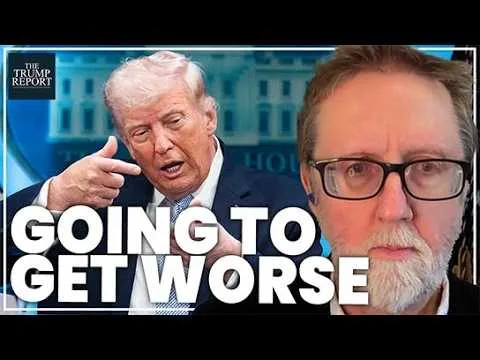
Donald Trump is currently operating at a level of what can only be described as ‘batshit crazy.’ This isn’t a calculated political move or clever diplomacy; it’s simply shouting without a clear strategy. This assessment comes from Professor Scott Lucas of University College Dublin, who joined ‘The Trump Report’ to discuss recent events. Lucas argues that Trump’s recent behavior, particularly his public attacks on former supporters, signals a leader who is lost and resorting to old bullying tactics.
Attacking Allies, Losing Focus
The focus of the discussion was a lengthy Truth Social post where Trump lashed out at figures like Tucker Carlson, Megyn Kelly, Candace Owens, and Alex Jones. He accused them of having ‘low IQs’ and being ‘stupid people’ for questioning his stance on Iran potentially acquiring nuclear weapons. Trump claimed these individuals were only seeking attention and had lost their relevance in the media world.
However, Lucas points out that these are not fringe critics; they were once prominent Trump allies. Their criticism stems from a perceived deviation from the ‘America First’ agenda they believed Trump championed. Trump’s insults, Lucas notes, are particularly pointed towards Carlson and Kelly, who had previously been strong supporters but have since voiced concerns about Trump’s foreign policy, especially regarding the Middle East and Iran.
The Iran Conflict: A Muddled Response
The timing of Trump’s outbursts is significant. Lucas connects these rants to the ongoing tensions surrounding Iran and a fragile ceasefire. He describes a chaotic sequence of events where Trump’s administration seemed to shift its position rapidly. One moment, there’s a threat to destroy an ‘entire civilization’; the next, an acceptance of an ‘Iranian proposal’ for peace talks, followed by a retraction and claims of misunderstanding.
This confusion, Lucas suggests, arises because the administration is in a defensive position. They expected Iran to capitulate, not to challenge control over the Strait of Hormuz. Instead of achieving regime surrender, the primary issue has become maritime security. This defensive posture, Lucas argues, leads Trump to adopt a hyper-bullying demeanor, a tactic he previously used in the 2016 election by creating childish nicknames for opponents.
Unfiltered Diplomacy or Desperate Shouting?
Some Trump supporters interpret this behavior as an ‘unfiltered’ style of diplomacy, akin to his business dealings. Lucas strongly refutes this, stating that ‘unfiltered’ in this context means ‘batshit crazy.’ He believes Trump is simply shouting in hopes of intimidating others, rather than engaging in any genuine diplomatic strategy. He questions whether Carlson, Kelly, or the general public, concerned with issues like gas prices and the economy, will be swayed by these outbursts.
The Ceasefire’s Fragile State
The discussion also touched upon the ceasefrie related to the Strait of Hormuz. Reports indicate that Iran is imposing tolls on ships passing through, a move that contradicts the supposed agreement. Iran has also warned of potential attacks on vessels. Trump has publicly warned Iran against charging fees and condemned their actions, stating it’s ‘not the agreement we have.’ Lucas predicts the ceasefire could collapse within 24 hours, given the ongoing disputes.
The core of the conflict lies in differing interpretations of the ceasefire terms. Iran believes Lebanon was included, while the US and Israel dispute this. Israel’s subsequent heavy strikes in Lebanon, resulting in significant casualties, have further inflamed the situation. Iran has threatened to abandon ceasefire talks if these strikes continue. Lucas suggests that for any diplomatic progress, the Trump administration must pressure Israel to de-escalate.
Geopolitical Realignments and Trump’s Diminished Role
Lucas observes a broader geopolitical shift occurring. European nations and Gulf states are reportedly frustrated with Trump for drawing them into conflict with Iran and for failing to secure a definitive outcome. These countries are now seeking their own arrangements for the Strait of Hormuz, bypassing Trump. This realignment highlights Trump’s weakening position; he is no longer dictating terms.
The situation is further complicated by the potential involvement of figures like Steve Witkoff, Jared Kushner, and Vice President JD Vance. Vance, who initially opposed the war, is now reportedly involved in negotiations. Lucas questions what Vance’s objectives will be, especially since negotiating with the regime implies regime change is off the table. The best outcome, he suggests, might be ‘regime accommodation,’ where Iran agrees to some conditions in exchange for concessions.
The Nuclear Question and a Risky Path Forward
A key point of contention remains Iran’s nuclear program. The most ironic potential outcome, Lucas posits, is an agreement where Iran limits its uranium enrichment to levels similar to the 2015 nuclear deal, which Trump himself abandoned. This would involve Iran agreeing not to pursue a nuclear weapon while maintaining a civilian nuclear program.
However, the greatest risk, according to Lucas, is that Trump or his advisors might abandon diplomatic talks altogether and opt for military action. He notes the presence of naval assets and troops in the region, suggesting that ground invasion remains a possibility if diplomacy fails. Bombing, he warns, would further destabilize energy markets and tighten Iran’s control over the Strait, while also making the US appear aggressive after initially agreeing to talks.
Melania Trump’s Epstein Statement: A Bizarre Diversion?
In a separate, seemingly unrelated development, Melania Trump issued a video statement denying any links to Jeffrey Epstein and Ghislaine Maxwell, admitting only a single meeting. This statement came as a surprise, even to Donald Trump, according to a report. Lucas describes the incident as bizarre, even by Trump administration standards.
While the timing coincided with the Iran crisis, Lucas suggests it was not entirely out of the blue. He notes that Melania’s spokesperson had indicated she would make a statement, and that Donald Trump was aware she would speak, though perhaps not the exact content. Her statement aimed to distance herself from the Epstein scandal and reaffirm her previous denials of being groomed or involved in any wrongdoing.
Why This Matters
Professor Scott Lucas’s analysis paints a picture of a political figure whose communication style, characterized by extreme rhetoric and personal attacks, is not a sign of strategic brilliance but rather a symptom of desperation and a lack of clear direction. The volatile situation with Iran, coupled with Trump’s erratic responses, underscores the dangers of leadership driven by impulse rather than policy. The potential for miscalculation in such high-stakes geopolitical conflicts is immense.
Implications and Future Outlook
The ongoing crisis highlights a potential shift in global power dynamics, with traditional allies questioning Trump’s leadership and seeking alternative solutions. The focus on the Strait of Hormuz and Iran’s nuclear program are critical issues with far-reaching economic and security implications. If diplomacy fails, the risk of escalation, potentially involving ground troops, remains a grave concern.
The situation with Melania Trump’s statement, while seemingly a personal matter, adds another layer of distraction and confusion to an already complex political landscape. It raises questions about internal communication and strategic messaging within the Trump orbit, further obscuring a clear path forward.
Historical Context
The current tensions echo past geopolitical standoffs, particularly concerning Iran’s nuclear ambitions and control over vital waterways. Trump’s approach to diplomacy, often characterized by aggressive rhetoric and unpredictable shifts, has historical parallels with his previous term, where such tactics frequently led to international consternation and domestic debate. The handling of the 2015 Iran nuclear deal, which Trump withdrew from, serves as a stark reminder of how past decisions continue to shape present crises.
Source: Trump is completely ‘bats**t’ right now | Scott Lucas (YouTube)

Related Articles
US Tightens Grip: Iran Strait Blockade Sparks Global Oil Fears
The U.S. is threatening to block Iranian ports, a move that could severely disrupt global oil supplies. This action tests international law and puts major economies like China and India at risk of inflation. The standoff signals a potential shift in global power dynamics.
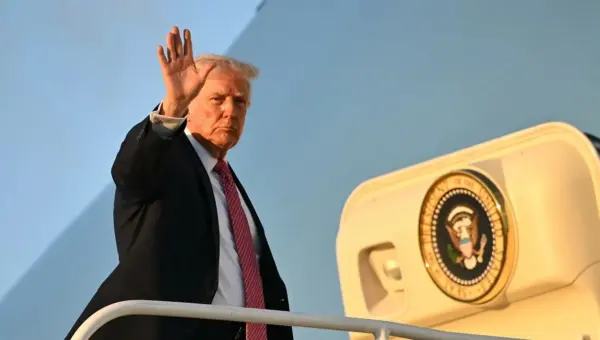
Trump’s Return: A Political Chess Move?
Former President Donald Trump's recent departure from Miami to Washington D.C. after his arraignment is more than just travel. It signals a potential strategic move to rally supporters and control the political narrative amidst ongoing legal challenges.

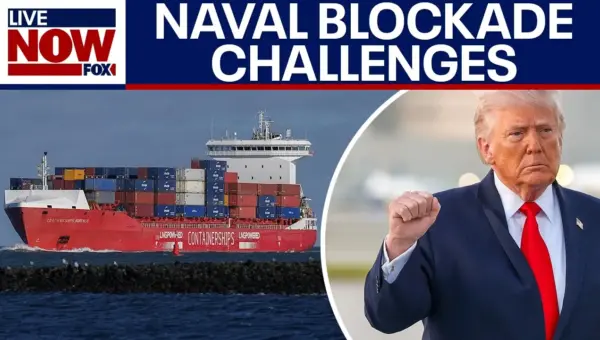
Trump Orders Iran Strait of Hormuz Blockade
President Trump has ordered an immediate U.S. Navy blockade of the Strait of Hormuz following failed negotiations with Iran. The move aims to halt all maritime traffic, but experts warn of significant risks, including potential confrontations with other nations and economic repercussions. The situation remains volatile as both sides may have used a recent ceasefire to resupply and prepare for further conflict.