Trump’s White House Crumbles Over Iran Policy
Reports indicate deep divisions within the Trump White House over Iran policy. Officials reportedly clashed over aggressive strategies, with President Trump overriding concerns. This internal strife, fueled by ego and potentially personal grievances, risks escalating conflict and damaging U.S. national security interests.

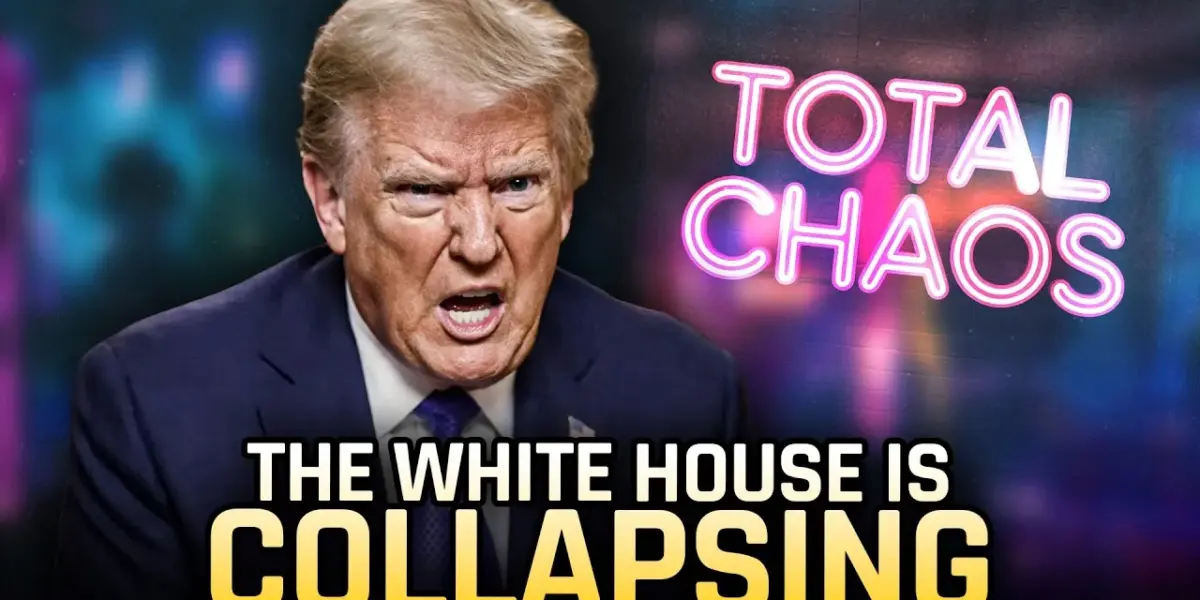
Trump’s White House Crumbles Over Iran Policy
New reports suggest that President Trump’s administration is deeply divided over his approach to Iran. This internal conflict reportedly stems from disagreements on how aggressive the U.S. should be. Some officials allegedly favored a more forceful response, while others grew concerned about the worsening situation and its potential consequences.
According to Axios, several people within the White House revealed these tensions. A source close to the administration stated that key officials disagreed with Trump’s plans. However, the President reportedly overruled them, determined to take action. This decision was made despite concerns that the strategy might not achieve its goals without sending in ground troops.
One senior administration official told Axios that Iran’s actions, like disrupting shipping in the Strait of Hormuz, seemed to make Trump even more committed to his course. This situation has been described as an “escalation trap.” In such a trap, a stronger power continues to attack to show dominance, even as the results get smaller and the options to leave become fewer. The concern is that Trump might not be willing to stop, much like in other situations.
The President’s Resistance to Admitting Error
A major obstacle to changing course is President Trump’s perceived inability to admit he is wrong. Unlike in other policy areas, reversing a decision would be seen as an admission of error. Sources suggest that Trump’s ego prevents him from acknowledging mistakes. This means the current path is likely to continue until a scapegoat can be found to blame for any negative outcomes.
The consequences of this approach are dire. The transcript mentions the loss of lives, both in Iran and among U.S. service members. At the time of the report, 17 U.S. military members were confirmed dead due to actions related to Iran. This isn’t just about policy; it’s about human cost.
Staffers’ Concerns Beyond Human Cost
The internal strife isn’t just about the death toll. Regular officials and advisors within the White House, described as having more brains than cabinet members, are reportedly torn apart. Their distress, however, seems less about the loss of life and more about the damage to the administration itself. They worry about the impact on Trump’s poll numbers, which were already low. They fear these numbers will drop further, angering the American public and potentially leading to Republican losses in the upcoming midterm elections.
White House spokespeople have pushed back against these reports. Spokesperson Anna Kelly called any talk of a split “totally false.” She stated that the entire administration is united behind President Trump and the Department of War. Kelly added that the President considers many opinions but ultimately decides based on what is best for the country and national security.
Questioning the National Security Justification
However, the analysis in the transcript questions this official narrative. It suggests Trump doesn’t always weigh advice but rather follows the last person who spoke to him, especially if it seems politically advantageous. The claim that the actions were taken for national security is also challenged. The transcript argues that there was no sudden, credible threat from Iran that required such a response.
Donald Trump’s mad because the country of Iran, the leaders were like, “Man, we don’t want that guy to be alive anymore. They didn’t try to unalive him. They just didn’t like that he existed.” Which, let’s be honest, a lot of people don’t like that he exists. That doesn’t mean they’re going to do something about it.
Instead, the transcript proposes that Trump’s actions were fueled by a personal grievance. The leaders of Iran reportedly expressed a dislike for Trump. This, the analysis suggests, led to an “axe to grind.” The involvement of advisors who then proposed taking action against Iran, possibly in cooperation, is viewed as a response to Trump’s personal feelings rather than a strategic national security imperative.
The conclusion drawn is that Trump’s actions were not in the best interest of the United States or its national security. Instead, they are portrayed as the result of him doing whatever he wants, a pattern attributed to his lifelong behavior. The situation highlights a potential disconnect between the President’s personal motivations and the nation’s security interests, leading to internal conflict and external consequences.
Why This Matters
This situation is significant because it reveals the potential dangers of foreign policy being driven by personal ego or perceived slights rather than strategic national interest. When a leader is unwilling to admit mistakes or change course, even in the face of mounting evidence and escalating risks, the consequences can be severe. The internal divisions within the White House suggest a lack of cohesive strategy and raise questions about the decision-making process.
Implications and Future Outlook
The immediate implication is continued tension and potential conflict with Iran, with ongoing risks to U.S. service members and regional stability. The internal political fallout could also be substantial, impacting public trust and electoral outcomes. Looking ahead, this episode underscores the importance of robust debate and checks within government, especially in matters of war and peace. It also raises concerns about how future foreign policy decisions will be made, particularly when they involve a leader perceived as resistant to dissenting opinions.
Historical Context
U.S.-Iran relations have been strained for decades, particularly since the 1979 Islamic Revolution. This history of mistrust and animosity has often led to periods of heightened tension and proxy conflicts. Previous administrations have grappled with how to manage this complex relationship, oscillating between periods of engagement and confrontation. Trump’s approach, characterized by a strong “maximum pressure” campaign, represents a continuation of confrontational policies, but the reported internal dissent suggests a different level of friction within his own government compared to past efforts.
Source: White House Tears Itself Apart Over Trump’s Iran Failure (YouTube)

Related Articles


Iran Targets US With Cyberattacks, Escalating Digital Warfare
Iran is increasingly using cyberattacks to challenge the U.S., as seen in a recent hack of the FBI director's account. Experts say this is a strategic shift due to Iran's limitations in conventional warfare. The U.S. needs to strengthen its digital defenses, focusing on encryption and cloud computing, rather than solely relying on traditional security measures.

Iran Hacks FBI Chief, Exposing U.S. Cyber Vulnerabilities
A recent hack of FBI Director Kash Patel's personal email by an Iran-linked group highlights Iran's growing cyber threat to the U.S. Experts explain how simple security oversights are exploited, emphasizing the need for basic defenses like two-factor authentication to protect against propaganda and potential infrastructure attacks.

Protesters Challenge Presidential Power, Ignite Debate
Millions are protesting nationwide under the "No Kings" banner, challenging presidential authority and policies they deem unconstitutional. Organizers emphasize First Amendment rights while debating foreign policy, immigration, and the balance of power.